SteamHeat, breath and a city's pulse
Steam is rising water vapor, from a vent, a pot, a body or a breath, caught in light so it glows and drifts. It tells the audience about temperature and life: something here is hot, cold, working or breathing.
Also calledVaporSteam ventsBreath vapor
Atmosphere and weather
Why it works on screen
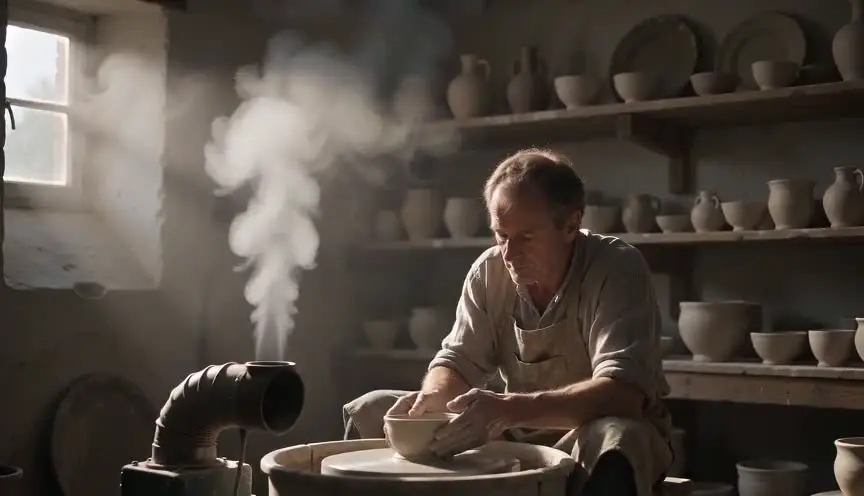
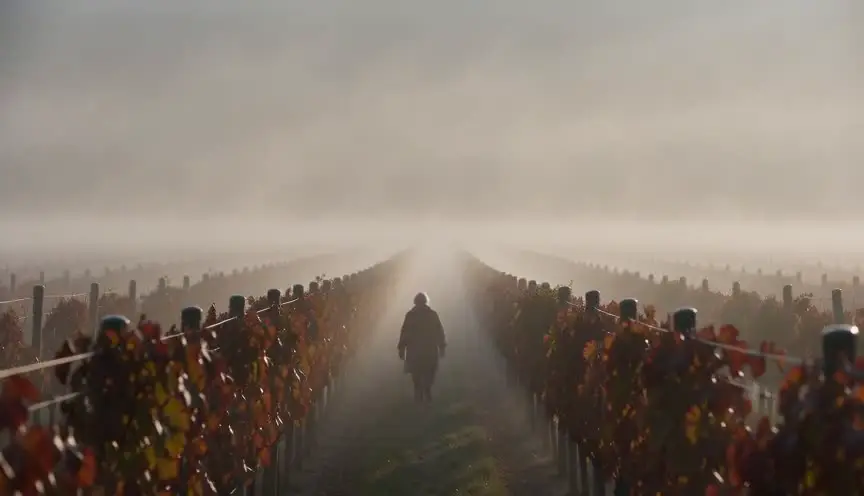
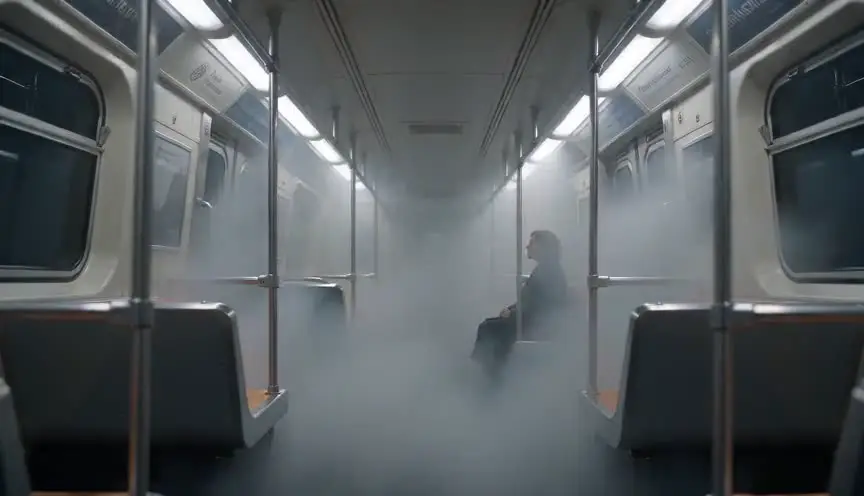
Steam is the atmosphere of effort and contrast. It rises off a cooking pot in a crowded kitchen, off a boxer's shoulders after a round, off a street grate on a winter night. It serves fatigue, intimacy, pressure, feverishness and the sense of a place that never stops running. Breath vapor does something more personal: it shows a character is alive and cold, and it makes a silence visible. A scene earns steam when the body or the city is under strain, or when warmth and cold meet, such as a hot drink handed across on a freezing platform.
The shot list line
- Size
- Medium shot, or wide to show the space
- Angle
- Eye level or low, looking toward the light source
- Movement
- Static or slow lateral slide
- Lens
- 35mm to 50mm
- Duration
- 5 to 8 s
Backlight the steam against a dark area and control its drift with a small fan, or it rises straight into the lens and fogs it.
Screenplay
On the page
Steam has a story source almost every time, so a writer may name it freely: the kettle, the manhole, the shower, the breath in cold air. Write what produces it and one image of how it moves around a character. Avoid technical notes about steam generators, backlight or frame rate. Those are production choices. A director will decide how much steam the shot needs, and the shot list will say where the vents, the fans and the lamps go.
INT. HAMMAM, OLD QUARTER - ISTANBUL - EARLY MORNING
Marble slabs sweat. Steam rolls off the hot stone in slow waves toward a dome pierced with small round skylights.
SERKAN ALTUN (19, bruised ribs, towel around his waist) lies face down on the central slab.
His coach, NURI BEY (60s, soaked shirt), pours a bowl of water over the stone. A new cloud swallows them both.
NURI BEY
Breathe. The weight comes off tomorrow.
Storyboard
In the storyboard
Draw the source first (grate, pot, slab, mouth), then the steam as loose rising curls that widen and fade as they climb. Shade the background dark behind the steam so it reads light. Mark the backlight with a lamp symbol and a drift arrow showing where air moves it. If the lens may fog, write a warning in the margin. Note the temperature contrast, hot or cold, under the panel.
Pairs well with
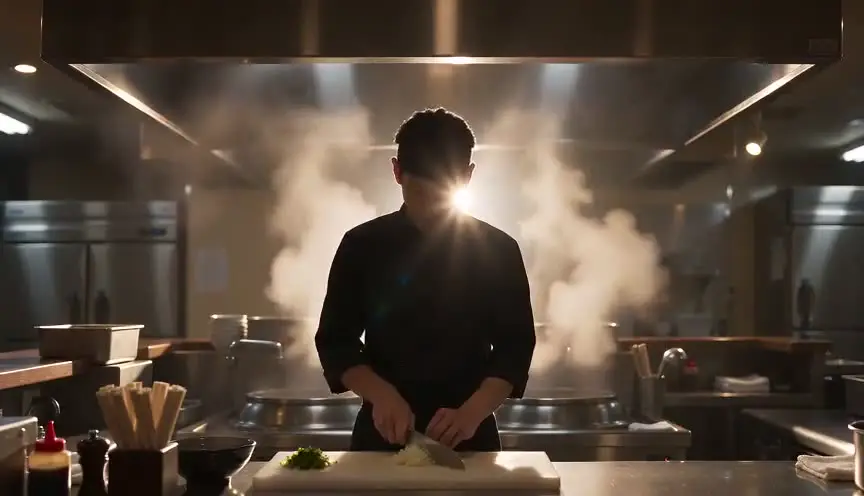
Steam is pale and thin. A light behind it turns each curl into a bright shape against the dark, which is what makes vapor readable on camera rather than a faint blur.

After the wide shot of a steaming space, a close-up on a face or a mouth exhaling makes the heat or the cold personal. The atmosphere becomes the character's physical state.
Reference
Watch it in
Blade Runner (1982)
Vents keep releasing steam at street level, stacking layers of vapor between the camera and the neon so the city feels saturated and damp.
Taxi Driver (1976)
Clouds rising from New York manholes return again and again, and they become the feverish night signature of the city Travis drives through.
ScreenWeaver
Set it up in ScreenWeaver
Name the steam source in your action lines, and ScreenWeaver breaks the scene down into shots automatically. Open the shot where the vapor matters most, set the framing and a low or eye-level angle, choose a static or slow movement, and give it a duration long enough for the steam to rise and fade. Add a note on backlight in the shot description. Characters and the location carry from shot to shot, and the AI previsualization helps you check the mood of the space.
Start writing for freeThe prompt behind this clip
This is the exact prompt that rendered the clip at the top of the page. Keep the description of the camera and the light, change the subject and the place.
Steam: a static locked-off camera at eye level frames a wooden fishing dock at dawn, low golden sun rising directly behind the scene. A middle-aged woman in an oilskin jacket sets down a metal bucket of fresh catch, steam rising visibly off the fish and curling upward, backlit and glowing against the dark hulls of moored boats. Beside her, an older man exhales, his breath forming a small vapor cloud in the cold air. The steam drifts slowly to the left in a faint breeze, catching the warm light, while the boats and dock remain still and everything else in frame is static. No text.
Common mistakes
- 01
Fogging the lens
Real steam in a small space settles on the glass in seconds. Keep a fan between the source and the camera, wipe between takes, or shoot on a longer lens from further back.
- 02
Steam against a bright background
White vapor over a white wall or a pale sky disappears. Place the steam in front of something dark and light it from behind or from the side.
- 03
Breath vapor that comes and goes
If a character exhales vapor in one shot and not the next, the audience notices the temperature change. Plan cold-breath scenes for truly cold days or add it consistently in post.