Steadicam shotGliding anywhere a person can walk
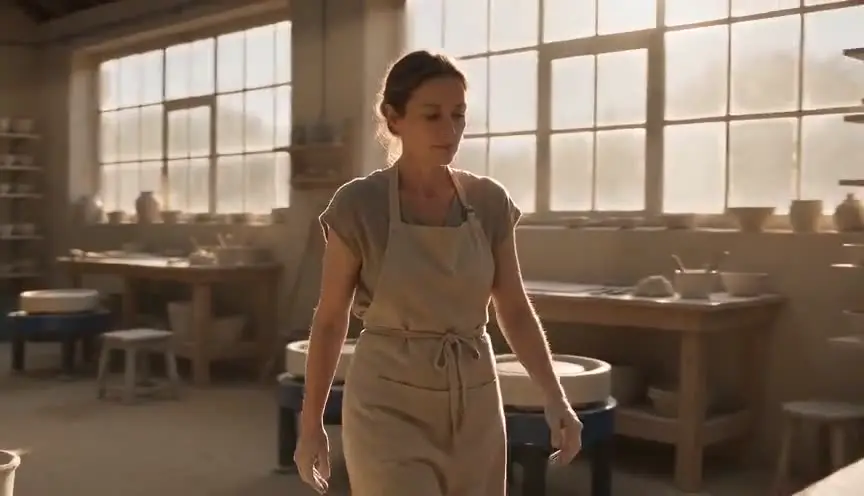
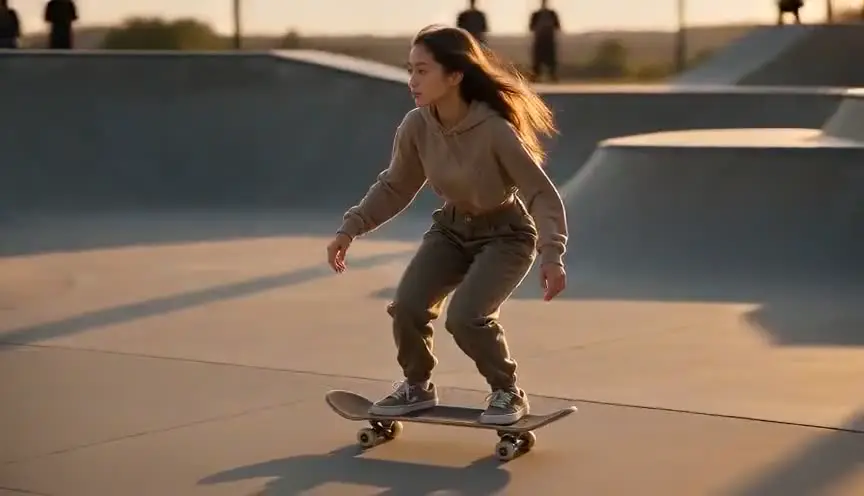
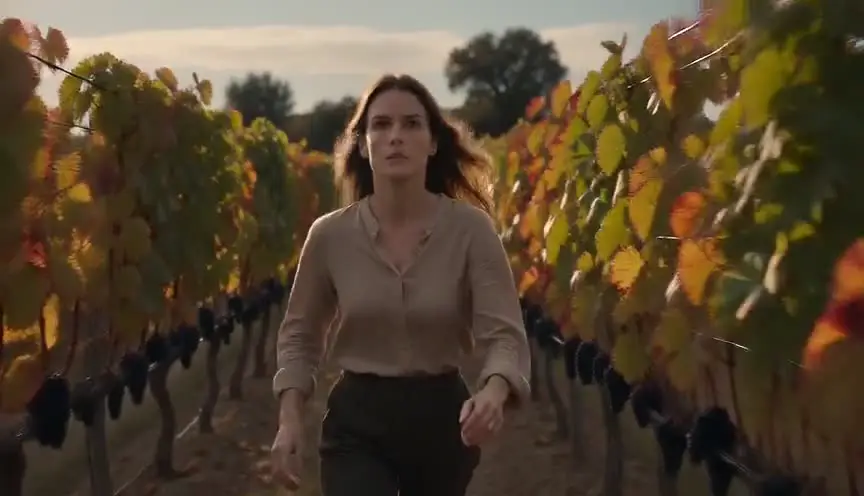
A Steadicam shot uses a stabilizer worn on the operator's body, so the camera floats smoothly through doors, up stairs and around corners wherever a person can walk. The audience moves through the scene without the shake of handheld or the limits of a track.
Also calledSteadicamStabilized walking shotBody-mounted stabilizer shot
Camera movement
Why it works on screen
The Steadicam gives the audience a ghostly, gliding presence. It can follow a character through a labyrinth of rooms, drift through a party from guest to guest, or stalk someone down a hallway with an eerie calm. That floating quality serves immersion, suspense, bravura long takes and a sense of being carried by the film. A scene earns it when the space is complex and continuous, when cutting would break the flow of a journey or a gathering, and when a smooth, almost weightless viewpoint suits the tone.
The shot list line
- Size
- Medium or full shot
- Angle
- Eye level, or low for a child's point of view
- Movement
- Steadicam following, leading or circling the subject
- Lens
- 18mm to 35mm
- Duration
- 15 s to several minutes
Rehearse the full route with the operator, the focus puller and a grip spotting behind, and plan rest points, since the rig is heavy on long takes.
Screenplay
On the page
A screenwriter should not name the Steadicam. It is a piece of equipment, and the choice belongs to the director and camera team. What you can write is a continuous journey through connected spaces: through a lobby, up a staircase, along a corridor, into a room, without scene breaks. That shape invites a long, gliding move. If you direct, the shot list names the rig, the route and the duration, and the board maps the path.
INT. GRAND HOTEL DO LARGO, LISBON - NIGHT
Bellboy DUARTE FONSECA (20, uniform too tight at the collar) carries a birdcage covered in a velvet cloth across the lobby.
Past the night porter asleep over a newspaper. Into the brass elevator. Out on the fourth floor.
Down a long corridor where every door is closed, except one, at the end, slightly open.
From inside the cage, something taps on the bars.
Duarte slows down.
Storyboard
In the storyboard
Draw a floor plan of the connected spaces, with the subject's path as a solid line and the Steadicam's path as a dashed line, with arrows. Number the key moments along the route and add a small frame thumbnail for each. Mark doors, stairs and obstacles the operator must pass. Note the total duration, where the operator leads or follows, and any handoff to another rig.
Pairs well with
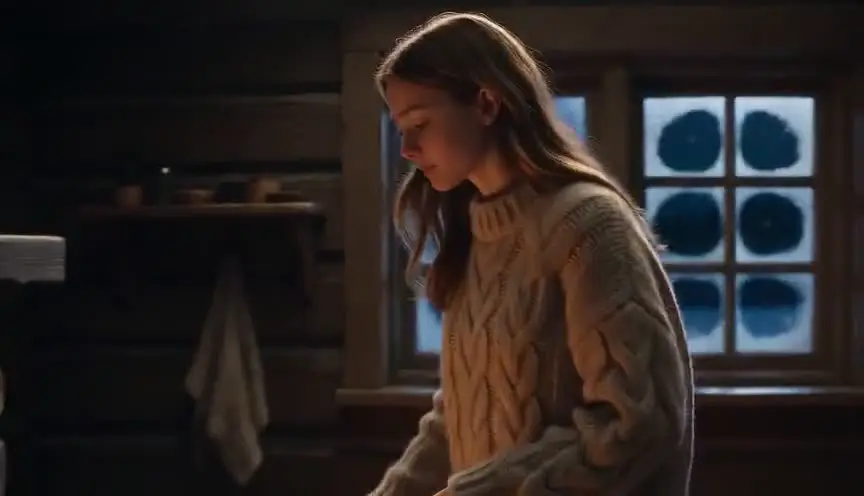
Steadicam and long take go together. Designing them as one lets the audience travel through a whole sequence without a cut, which builds tension or wonder as time runs in real time.
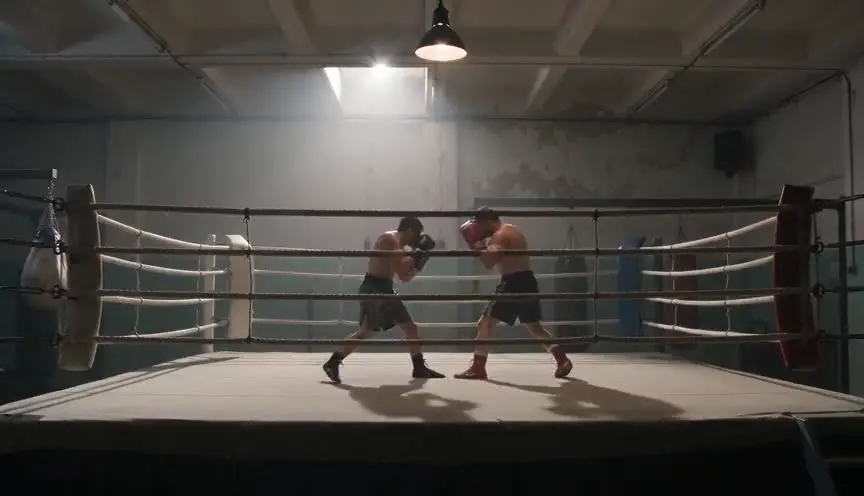
Ending the Steadicam journey on a stable wide shot gives the audience a place to land. After all that movement, a still frame lets them take in where they have arrived.
Reference
Watch it in
The Shining (1980)
Garrett Brown, who invented the rig, operated the low glides behind Danny through the hotel halls, setting a standard for slow-building horror.
Goodfellas (1990)
The rig carries Henry and Karen past the queue and through the kitchen of the Copacabana, and the smooth flow shows how every door opens for him.
Boogie Nights (1997)
Picking up where a crane move ends, the stabilized camera floats across the club floor and introduces one character after another.
ScreenWeaver
Set it up in ScreenWeaver
Write the continuous journey in your screenplay, and ScreenWeaver breaks the scene down into shots automatically. Open the shot, set the framing to medium or full, set the angle, choose a Steadicam move as the movement and give it the duration the path requires. Characters and the location carry from shot to shot, so each room along the way stays consistent. Walk through the route in the AI previsualization to check timing before planning the rehearsal.
Start writing for freeThe prompt behind this clip
This is the exact prompt that rendered the clip at the top of the page. Keep the description of the camera and the light, change the subject and the place.
Steadicam shot moving through a nearly empty subway car at night, following a woman in a rain-damp coat as she walks from one end of the car toward the doors. The camera glides at chest height with no vertical bounce, drifting slightly side to side as it clears a metal pole and passes empty seats. Fluorescent light flickers overhead and the dark tunnel streaks past the windows. The camera holds a steady six-foot distance behind her, then arcs gently around her shoulder as she reaches the doors. No text.
Common mistakes
- 01
No rehearsal of the route
A long Steadicam take depends on actors, extras, doors and focus all hitting marks. Without full rehearsals, the take falls apart halfway. Budget time for them.
- 02
Floating without purpose
A gliding camera can feel aimless if it drifts without a subject or a goal. Anchor each section of the move on a character or an action.
- 03
Ignoring the operator's limits
The rig is heavy. Several minute takes exhaust the operator, and the frame gets unsteady at the end. Plan breaks and put the hardest moments early.