Static locked-off shotLetting the scene play without the camera
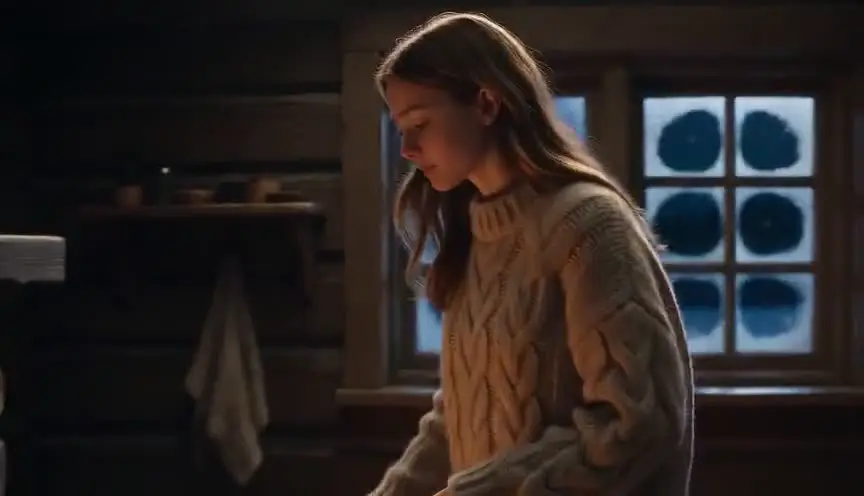
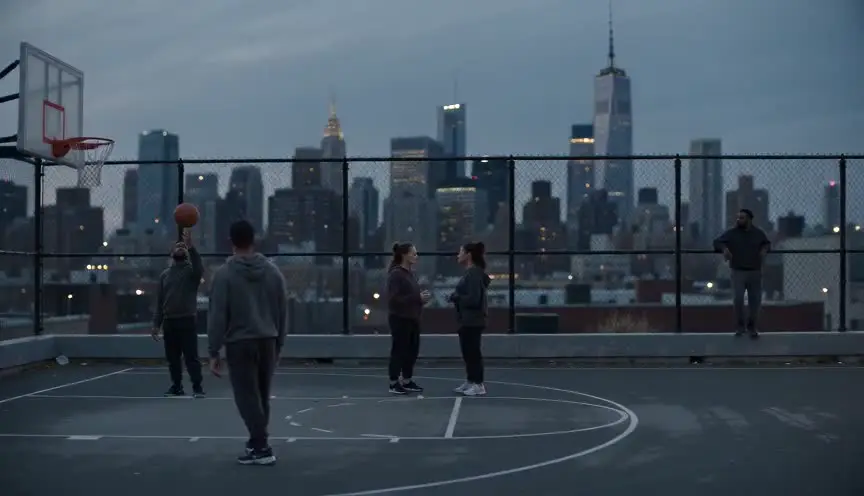
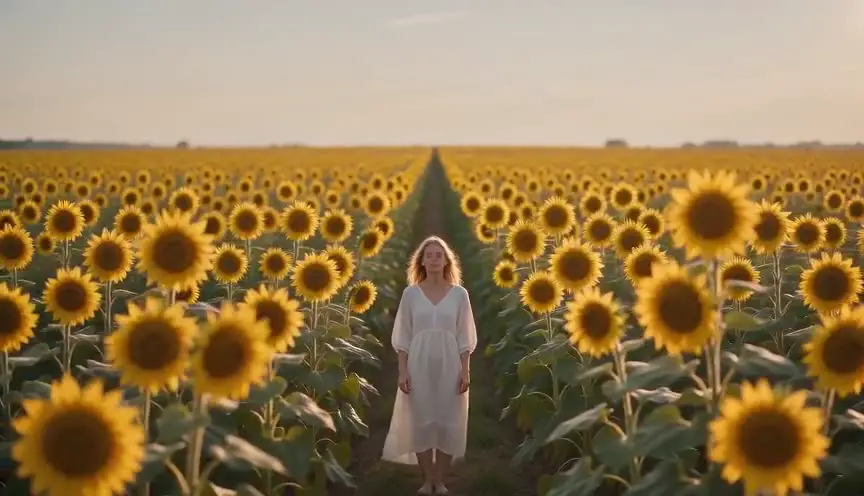
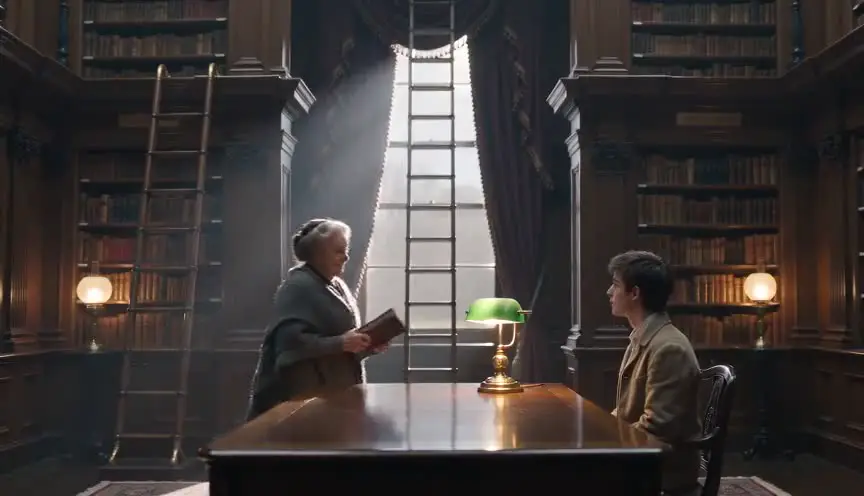
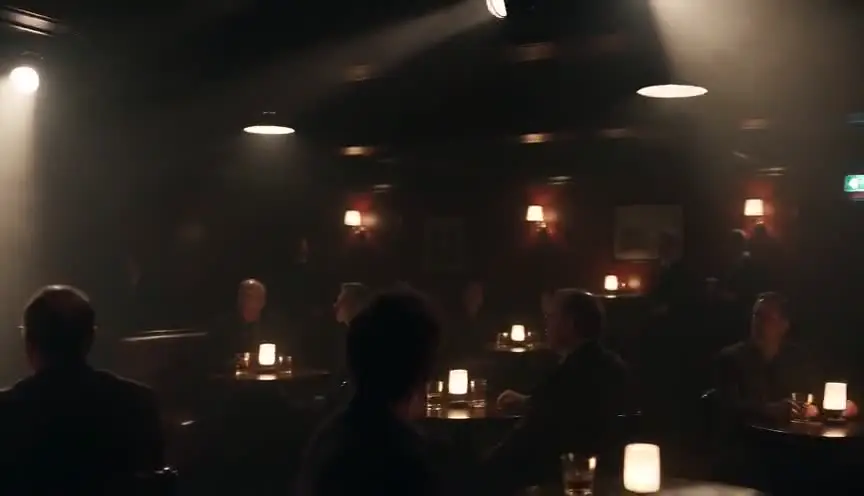
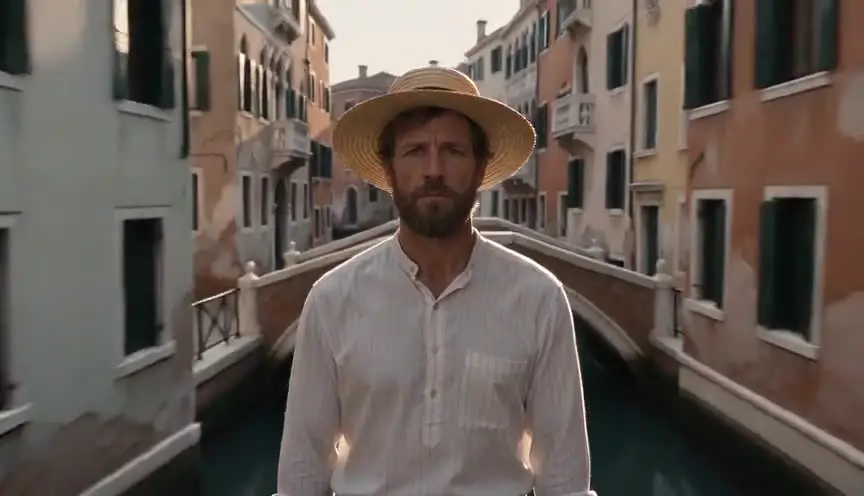
A static shot keeps the camera completely still on a tripod or mount, with no pan, tilt, zoom or movement for the whole take. The audience watches the scene unfold inside a fixed frame, like a stage, and every gesture and entrance becomes more visible.
Also calledLocked shotFixed shotStatic shotLocked-off camera
Camera movement
Why it works on screen
Stillness is a choice, not an absence. A locked frame asks the audience to look, and it trusts the actors, the blocking and the composition to carry the scene. It serves observation, restraint, comedy timing, tension that builds without release, and the weight of ordinary routine. It can make a family dinner feel like a trap, or make a long silence unbearable. A scene earns it when what happens inside the frame is enough, and when moving the camera would tell the audience how to feel instead of letting them find it.
The shot list line
- Size
- Wide or medium, depending on the staging
- Angle
- Eye level, or low at seated height
- Movement
- None, camera locked off
- Lens
- 28mm to 50mm prime
- Duration
- 10 s to several minutes
Tighten every lock on the head and plan the staging so actors enter, cross and leave the frame on marks that keep the composition balanced.
Screenplay
On the page
Spec scripts do not need to ask for a static camera: it is the default reading of any scene without movement. What you can write is a scene built for a fixed frame: characters entering and leaving a single space, a long silence, a conversation where people stay in their seats. That staging invites the director to lock off. If your whole film uses static frames as a style, say it in a director's note or the shot list, not in every scene.
INT. FAMILY APARTMENT, DINING ROOM, TEHRAN - NIGHT
A long table with a plastic cloth. Rice, stew, bread. Seven plates, one empty chair.
MAMAN PARVIN (70s) serves. Her sons REZA (40s) and DARIUSH (40s) eat without looking at each other.
The grandchildren kick each other under the table.
The doorbell rings. Nobody moves.
It rings again.
PARVIN
Nobody is going to open it?
Storyboard
In the storyboard
Draw a single panel with the full composition, and mark the frame edges clearly as fixed. Add actors' positions with small numbers for each moment of the scene and arrows for their entrances, crossings and exits. Write LOCKED OFF in the corner, with the duration. If a key action happens off frame, note where the sound comes from and how the characters react to it.
Pairs well with
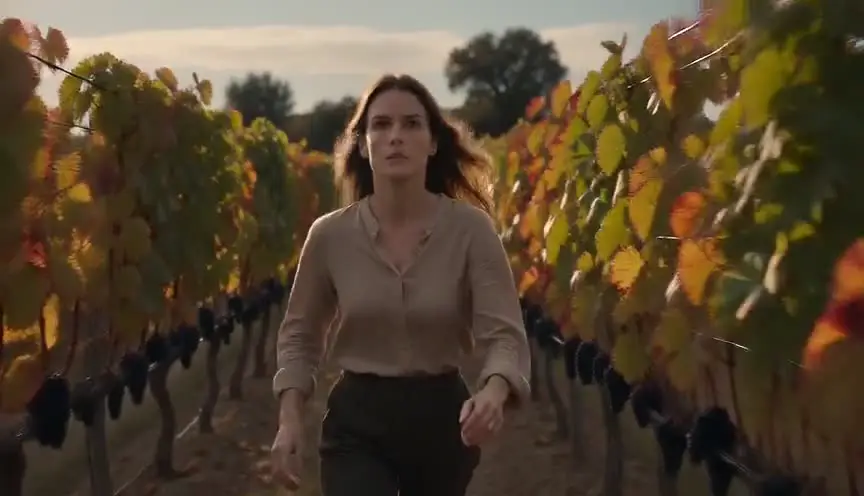
A long series of static frames makes a sudden cut to handheld feel like an explosion. The contrast between stillness and chaos is one of the strongest rhythm tools in editing.
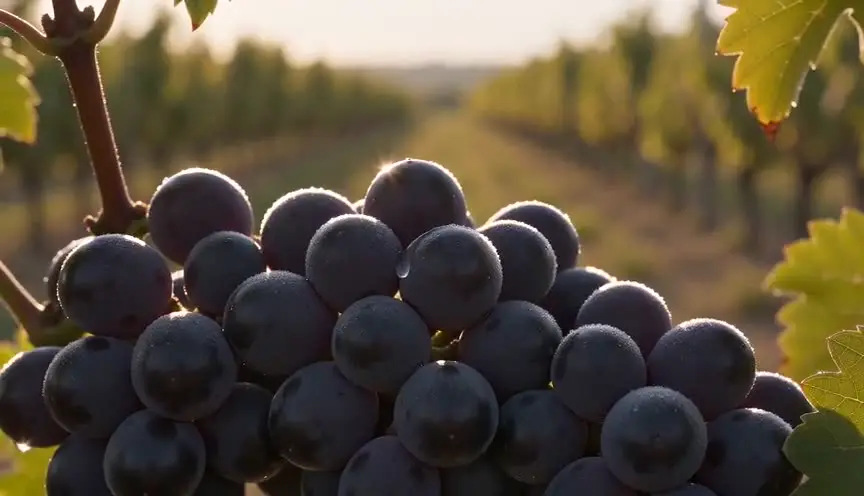
Between static wides, an insert of a detail, a hand, a letter, a clock, lets the audience focus without breaking the calm, observational style of the scene.
Reference
Watch it in
Jeanne Dielman, 23 Quai du Commerce, 1080 Bruxelles (1975)
Akerman keeps the camera still through nearly every scene, so peeling potatoes and making a bed become an exacting study of time and control.
Tokyo Story (1953)
Ozu's camera sits low, at the height of someone kneeling on a tatami mat, and watches rooms and conversations without moving, so every small gesture counts.
Stranger Than Paradise (1984)
Jarmusch plays each scene in a single still shot, separated by black, and the deadpan acting and empty spaces set the film's rhythm.
ScreenWeaver
Set it up in ScreenWeaver
Write the scene staged in a single space, and ScreenWeaver breaks the screenplay down into shots automatically. Open the shot, set the framing and the angle, choose static as the movement and give it the duration the scene needs. Characters and the location carry from shot to shot, so the room and the people in it stay consistent. Use the AI previsualization to check that the blocking keeps the frame balanced from start to end.
Start writing for freeThe prompt behind this clip
This is the exact prompt that rendered the clip at the top of the page. Keep the description of the camera and the light, change the subject and the place.
Static locked-off shot inside a greenhouse, camera fixed on a tripod at eye level with no pan, no tilt, no zoom, and no drift for the full four seconds. A middle-aged woman in a canvas apron stands center frame watering rows of tomato seedlings with a metal can, steam rising faintly from warm soil under diffused daylight through fogged glass panels. The frame stays perfectly still while water drips, leaves sway slightly, and dust motes drift through a shaft of soft light behind her. No text.
Common mistakes
- 01
Static by default
A locked frame chosen out of habit feels flat. Choose it because the scene needs observation or restraint, and design the composition and blocking to reward the stillness.
- 02
Dead staging
If actors stand still in a static frame, the scene freezes. Use entrances, exits, depth and movement inside the frame to keep the image alive.
- 03
Loose tripod
A static shot that drifts slightly because a lock was not tightened looks like an error. Check every lock and weigh down the legs, especially outdoors.