Freeze frameStop the moment, keep the question
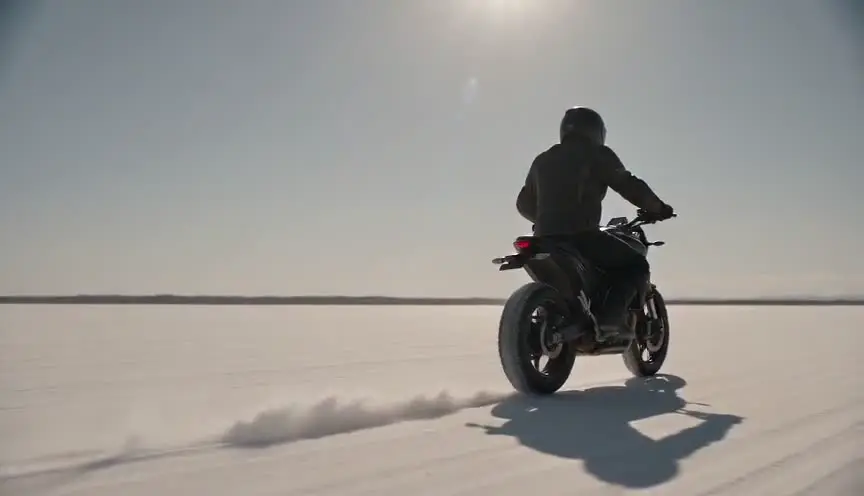
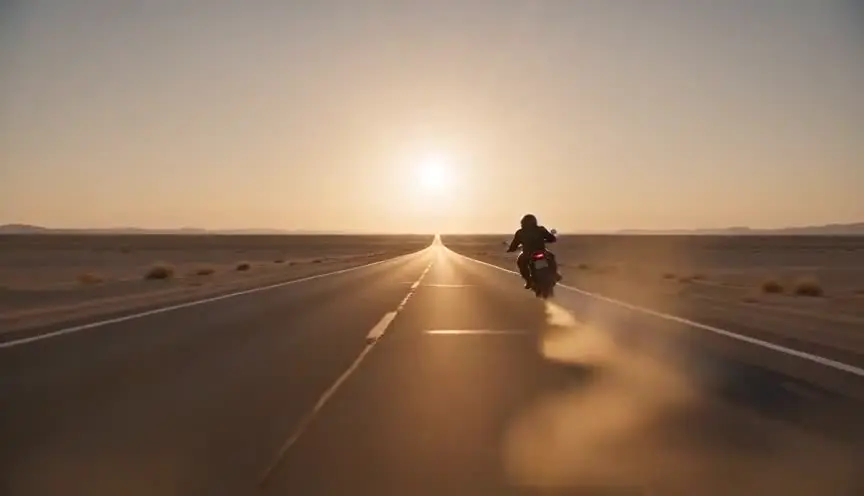
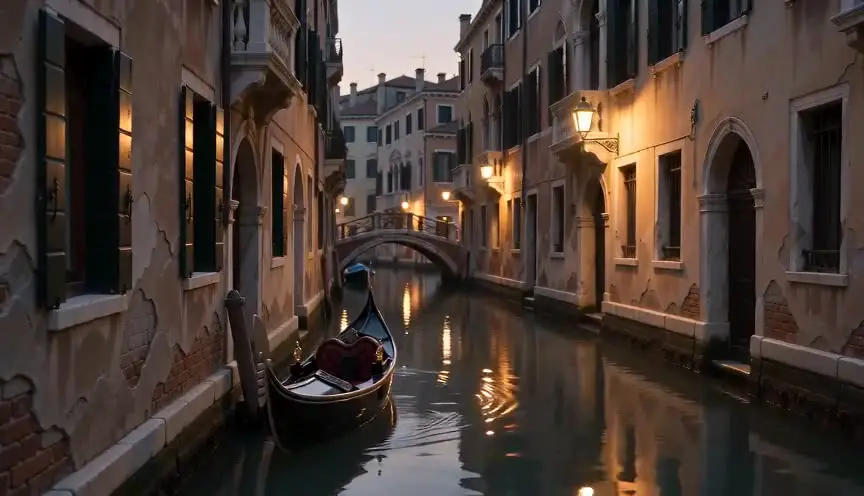
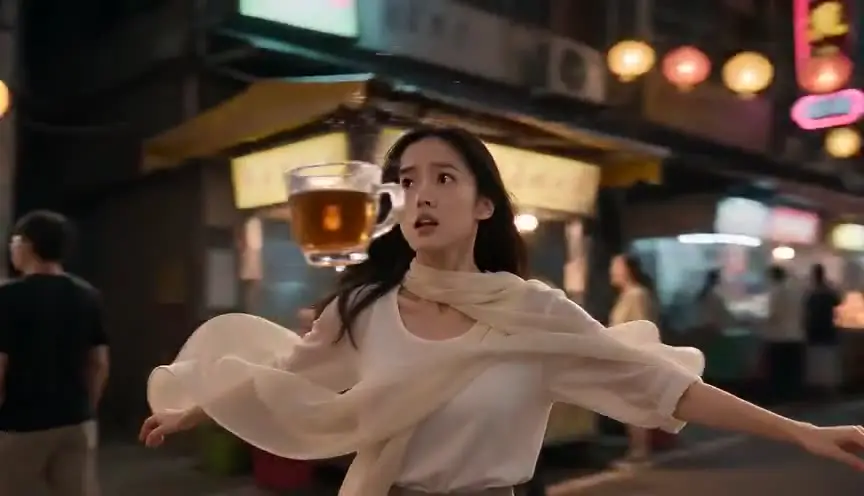
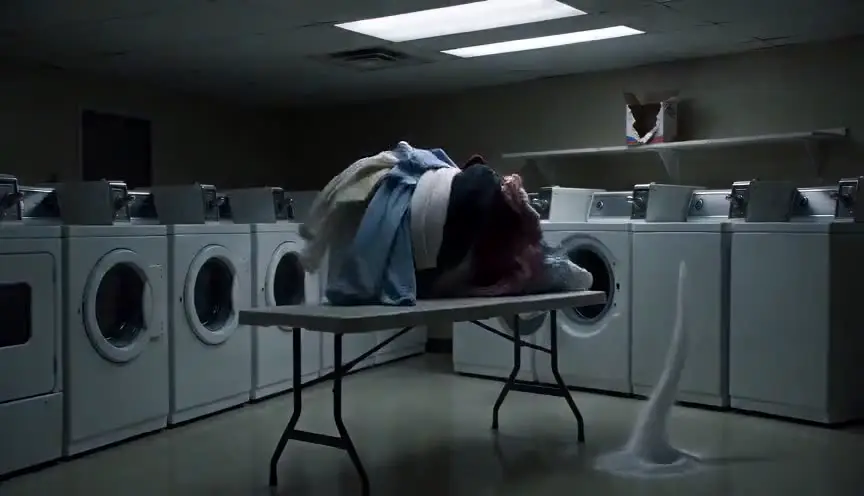
A freeze frame stops the action on a single image and holds it on screen while time in the story seems to halt. The audience is left staring at a moment they would normally see pass, and they start to read it like a photograph.
Also calledStill frameFrozen frameFreeze-frame ending
Time and motion
Why it works on screen
Use it when a moment deserves to be remembered as an image, or when the story refuses to tell you what happens next. A freeze can close a film on a question, pin a character at the peak of a leap, or stop a voice-over narrator mid-scene so they can explain how things got here. It serves irony, open endings, nostalgia and defiance. A scene earns it when the frozen instant already carries the whole story: a face that has just understood, a body in mid-air, a choice not yet paid for. Freeze a neutral moment and it simply looks like the projector stuck.
The shot list line
- Size
- Medium shot or full shot
- Angle
- Eye level, or low angle for a leap
- Movement
- Motion during the take, then a held frame in the edit
- Lens
- 35mm or 50mm
- Duration
- 1 to 2 s of action, then a 2 to 5 s hold
Shoot at a high shutter speed so the frame you freeze is sharp, and give the editor several clean peaks of the action to choose from.
Screenplay
On the page
A freeze frame is an edit decision, so it is fair to name it on the page, especially at the end of a script where it shapes the whole reading. Use "FREEZE FRAME" as a single line, or write the image and add that it holds. Do it once, twice at most, and only where the stop changes meaning. The exact frame, the hold duration and any color treatment belong in the shot list and the edit notes, not the screenplay.
EXT. HARBOR WALL - DAWN
IMOGEN ASHCROFT-NWOSU (17, school blazer over a swimsuit) runs the length of the wall past the fishermen.
She reaches the end and jumps, arms thrown wide, the gray sea waiting below.
FREEZE FRAME: Imogen hangs in the air above the water, mouth open in a laugh or a shout, we cannot tell which.
IMOGEN (V.O.)
My mother still thinks I slipped.
Storyboard
In the storyboard
Draw two panels. The first shows the action in progress with a motion arrow and the key beat circled. The second repeats the exact same frame with a heavy border and the word FREEZE written across the top. Note the hold length under it, plus any treatment such as a color shift, grain or a title that fades in. If voice-over starts on the freeze, write the first words under the panel so sound and image are planned together.
Pairs well with
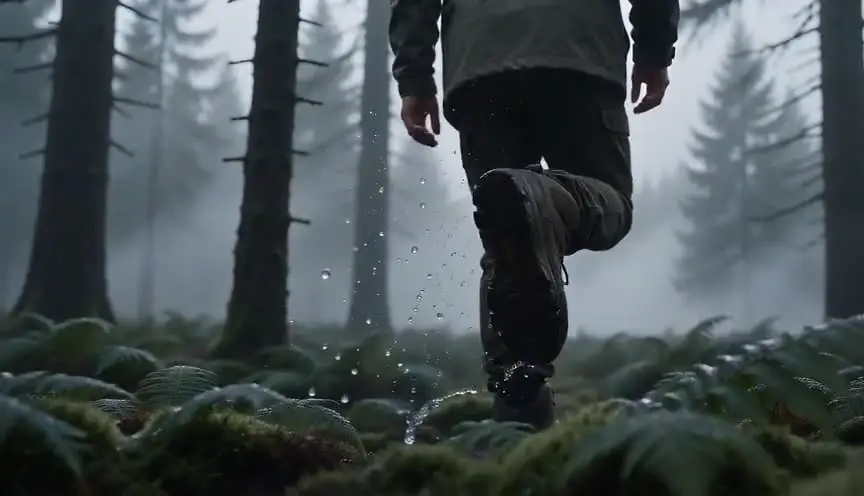
Easing into the freeze with a few frames of slow motion lets the audience feel time thickening before it stops, so the halt reads as intention rather than a sudden technical glitch.

After the hold, a fade to black or white closes the moment without letting it resume. The freeze asks the question, and the fade tells the audience the film will not answer it.
Reference
Watch it in
The 400 Blows (1959)
Truffaut stops the film on Antoine Doinel turning toward the camera at the edge of the sea, so the boy's future stays unanswered.
Butch Cassidy and the Sundance Kid (1969)
The two outlaws charge out into gunfire and the image stops, then drains into sepia, keeping them alive as a legend rather than as bodies.
Thelma & Louise (1991)
The convertible halts in the air above the canyon, and the film refuses to show the fall, leaving the women suspended in their choice.
ScreenWeaver
Set it up in ScreenWeaver
Write the frozen instant as its own line in your screenplay, and ScreenWeaver breaks the scene down into shots automatically, so the freeze sits in its own shot. Set the framing and angle so the peak of the action reads cleanly, keep the movement static or minimal, and give the shot a duration that covers the action plus the hold. The character and location carry over from the previous shot. Watch the AI previsualization to judge how long the hold can last before it drags.
Start writing for freeThe prompt behind this clip
This is the exact prompt that rendered the clip at the top of the page. Keep the description of the camera and the light, change the subject and the place.
Freeze frame: a middle-aged male baker in a dim bakery at 5 am tosses a handful of flour into the air above a metal counter, the powder catching the warm overhead light as steam rises from a nearby oven. The camera holds a static medium shot at eye level as his motion suddenly stops, the flour suspended mid-air, his hand frozen in place, all movement in the frame including the steam and falling flour halting instantly like a photograph, held completely still for the final two seconds. No text.
Common mistakes
- 01
Freezing a blurry frame
Motion blur that looks natural at speed becomes a smear when the image stops. Plan a fast shutter or a clean pose at the peak, so the held frame is sharp and readable.
- 02
No reason to stop
A freeze on an ordinary moment feels like a playback error. The instant must carry the story, an answer withheld, a choice made, a personality summed up in one gesture.
- 03
Holding too long
Past five or six seconds without sound or text, a freeze loses tension and the audience starts to wait. Let music, voice-over or a title carry a long hold.