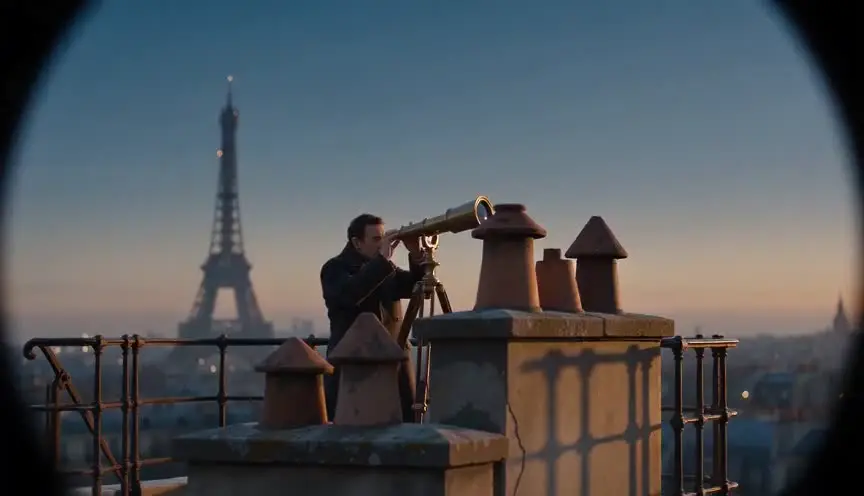
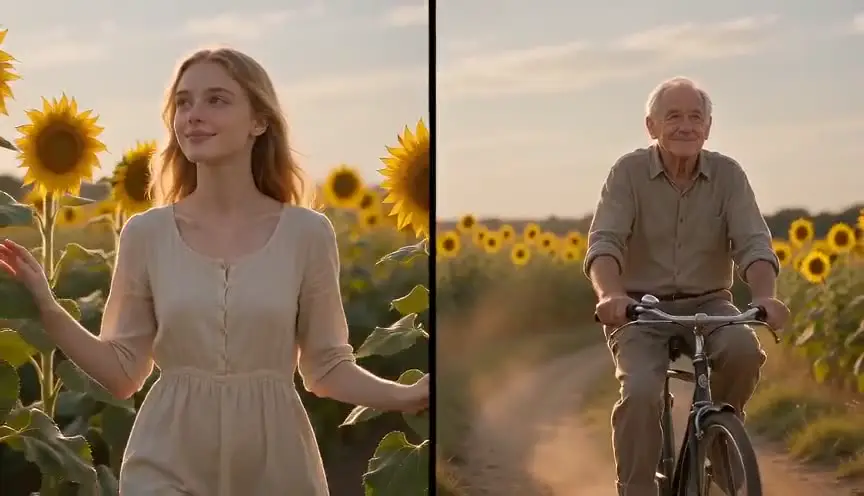
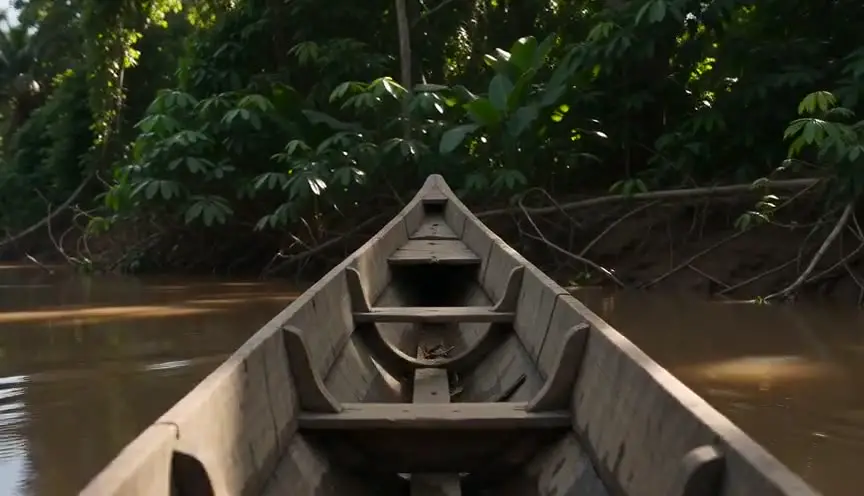
WipeOne scene sweeps the last away
A wipe replaces one shot with another by moving a line or shape across the screen, pushing the old image off as the new one arrives. The audience sees the transition openly, which gives the story a playful, storybook rhythm.
Also calledWipe transitionWipe cutLine wipe
Editing and transitions
Why it works on screen
The wipe announces: meanwhile, elsewhere. It suits adventure, serials, comedy and stories with a strong narrator's voice, where the audience enjoys jumping from one thread to another. It feels like turning a page or sliding a panel in a comic. It can also add energy to a chase between locations or a romance cutting between two lovers' days. A scene earns it when the film has embraced a visible, crafted style and the audience is ready to be guided between places. In a realist drama, a wipe breaks the illusion. In a fable or a pulp adventure, it is part of the pleasure.
The shot list line
- Size
- Wide or medium shots
- Angle
- Any, often matched in height
- Movement
- Camera or subject movement in the direction of the wipe
- Lens
- Any
- Duration
- 0.5 to 1.5 s for the wipe
Stage movement in the outgoing shot in the same direction as the planned wipe, so the transition feels driven by the action.
Screenplay
On the page
Wipes are rarely written in spec scripts, because they are an editing style. If your script is a deliberate homage to serials or a comic-book adventure, a single note at the first transition, or "WIPE TO:" used sparingly, can signal the tone. Otherwise leave it to the director and the editor. The direction of each wipe, its shape and speed belong in the shot list and editing notes, where they can be chosen to match movement in the frame.
EXT. JUNGLE RIVER - PACIFIC ISLAND - 1937 - DAY
Pilot RUBY HALLORAN (30s, leather jacket, oil on her cheek) paddles a canoe toward a waterfall, a map clenched in her teeth.
WIPE TO:
INT. HARBOR BAR - PORT MORESBY - SAME TIME
The villain, BARON KESSLER (60s, white linen suit), unfolds the other half of the same map on a sticky table.
KESSLER
She'll lead us straight to it.
Storyboard
In the storyboard
Draw both panels, then a middle panel split by a diagonal, vertical or circular line, with half of each image on either side. Draw an arrow showing the direction the line travels. Write WIPE and its style (line, clock, star, push) with its duration. Note any movement in the frame that motivates the wipe, such as a character walking off or a vehicle passing.
Pairs well with
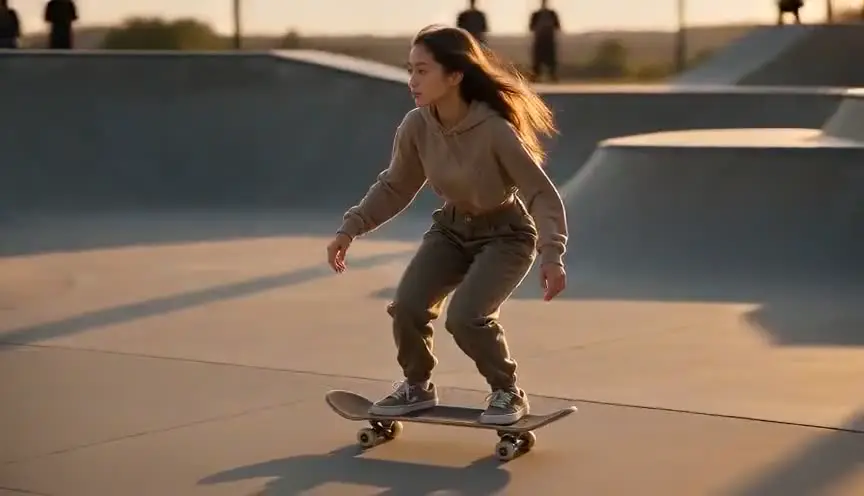
A tracking shot moving left to right before a wipe in the same direction makes the transition feel like the camera itself sweeping into the next location.
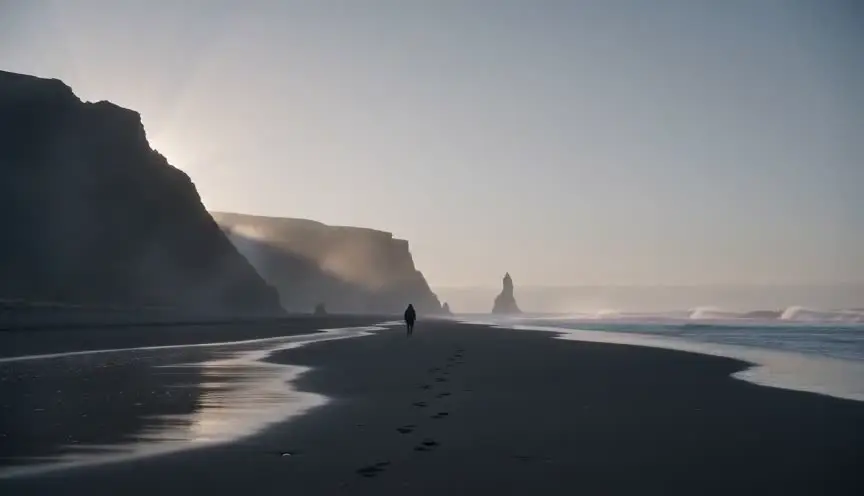
Wiping to an establishing shot tells the audience clearly where the story has jumped. The playful wipe and the clear place card work together.
Reference
Watch it in
Star Wars (1977)
George Lucas uses many line and shape wipes between scenes, a nod to the adventure serials and Kurosawa films he loved.
The Hidden Fortress (1958)
Kurosawa uses wipes often to leap between places and moments, a style Lucas would later borrow for his space saga.
ScreenWeaver
Set it up in ScreenWeaver
Write your parallel scenes in the screenplay, and ScreenWeaver breaks them down into shots automatically. In the storyboard, give the outgoing shot a movement in the direction you want the wipe to travel, such as a truck or pan to the right, and set a framing and angle that match the incoming shot. Keep durations short around the transition. Characters and locations carry from shot to shot. Check how the wipe will feel in the AI previsualization, then note its style in your shot list.
Start writing for freeThe prompt behind this clip
This is the exact prompt that rendered the clip at the top of the page. Keep the description of the camera and the light, change the subject and the place.
Wipe transition inside an abandoned train station: the first shot is a static wide view of a rusted platform with broken benches and scattered pigeons, dim gray daylight. A hard vertical line sweeps left to right across the frame at a steady pace over about one second, wiping the empty platform away with no fading. It reveals the second shot: the same station now lit by a shaft of warm light, dust motes drifting, an old clock frozen at the wrong hour on the far wall. The wipe edge stays sharp throughout. No text.
Common mistakes
- 01
Wipes in the wrong tone
A wipe in a serious, realist drama can feel like a joke. Use it only when the film's style welcomes visible transitions, such as adventure, comedy or homage.
- 02
Random directions
Wipes that go left, then up, then diagonally, with no link to movement, feel messy. Match the wipe to action in the frame and keep a consistent logic.
- 03
Too many shapes
Mixing stars, hearts, clocks and diamonds turns the film into a slideshow. Choose one or two wipe styles and stick with them.