Vintage cine lensAn image with memory in it
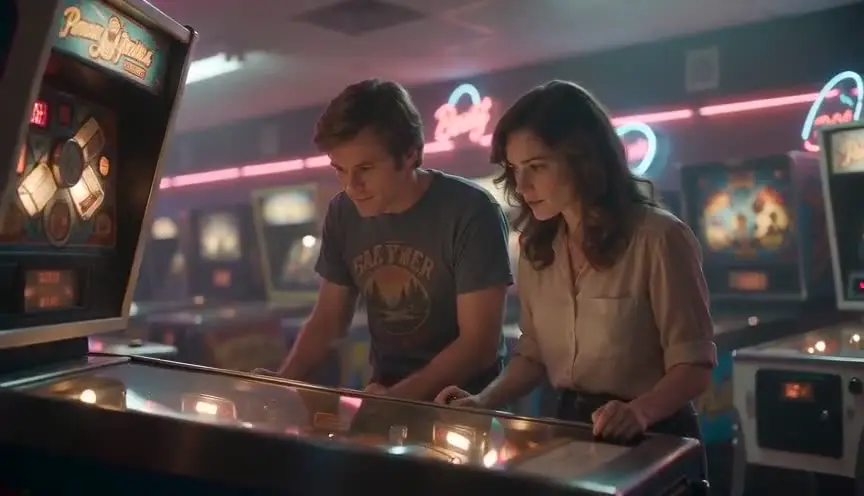
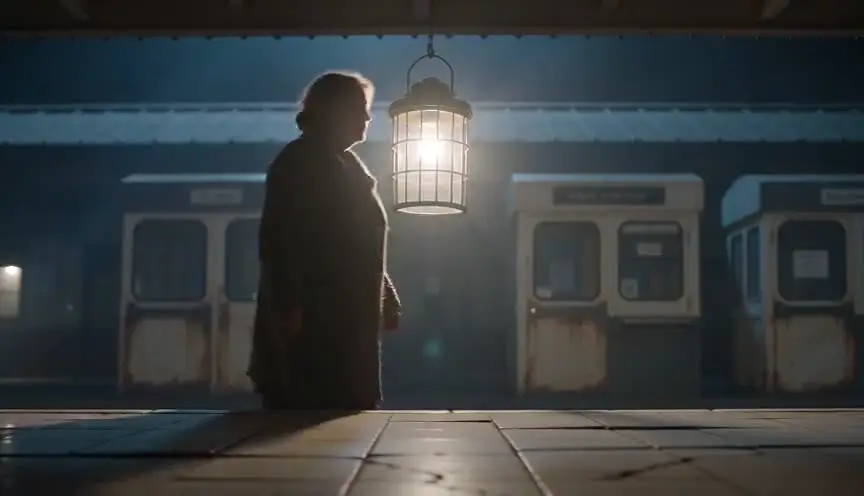
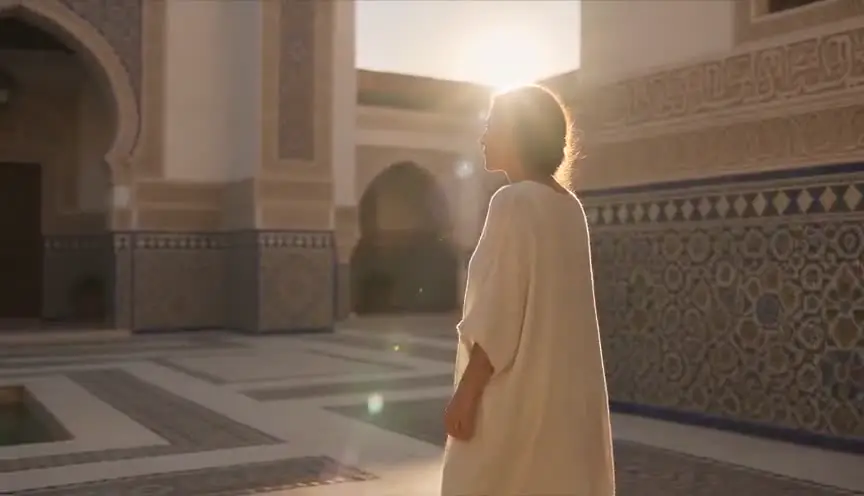
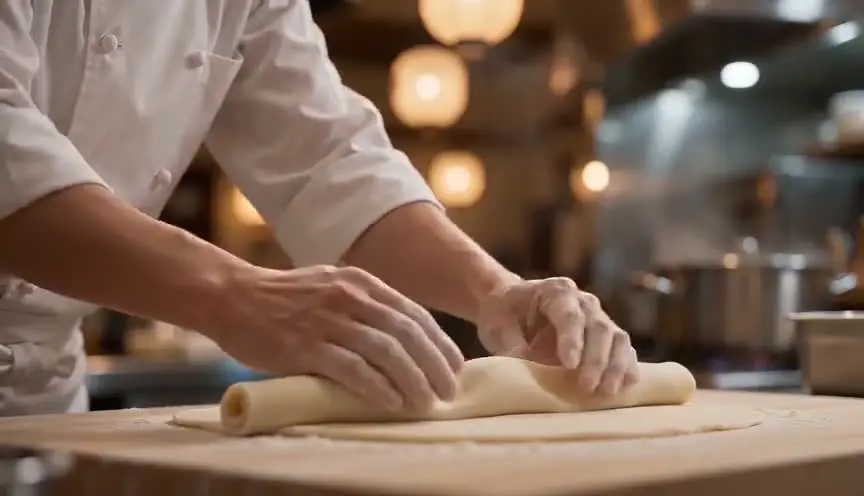
Vintage cine lenses, or modern lenses detuned to imitate them, render softer edges, lower contrast, warm flares and swirling bokeh. The audience reads the image as older, gentler and more human, as if it came from another decade or from someone's memory.
Also calledVintage glassOld cine lens lookPeriod lens lookDetuned lenses
Lenses and optics
Why it works on screen
Old glass gives a film a texture that the story can use. It roots a period piece in its era without a single title card. It softens the hard edges of a digital sensor so faces feel lived in. It makes a flashback look like a recollection rather than a record. It serves nostalgia, melancholy, romance and the quiet decay of a place or a person. A project earns it when time is part of the subject: a family history, a lost summer, a city before it changed. The imperfections, like glow around highlights and falloff at the edges, become the emotional grain of the film.
The shot list line
- Size
- Medium shot
- Angle
- Eye level or waist level
- Movement
- Static on a low tripod, or a gentle handheld drift
- Lens
- Vintage spherical primes, 40mm to 75mm, or detuned modern primes
- Duration
- 4 to 8 s
Shoot near wide open to bring out the glow and edge softness, place a strong backlight for veiling flare, and test each lens, since old sets rarely match in color.
Screenplay
On the page
A lens set is a production choice and stays out of the spec script. The writer sets the era and the feeling: the year in a scene heading or a super, period details in the action lines, a memory framed as a memory. Those give the director and cinematographer a reason to choose older glass. If the whole film has one look, it belongs in the look book. If only the memories change look, mark those scenes clearly so the shot list can switch lenses.
EXT. BEACH CLUB TERRACE - SUNSET (1972)
A transistor radio plays a crackling love song. Striped umbrellas, bottles sweating on white tablecloths.
YOUNG SAMIRA HADDAD (22), sunglasses pushed into her hair, dances barefoot with her cousins.
The sun sinks behind her into the sea, and everything around her edges goes gold and soft.
She turns, sees someone off-frame, and stops dancing.
SAMIRA
You came.
Storyboard
In the storyboard
Draw the panel with soft edges and a light vignette in the corners. Add a haze around bright areas such as the sky or a lamp, and swirl the out-of-focus shapes behind the subject into curved ovals. Mark the backlight position with an arrow and a small flare note. Under the panel write the lens series, the stop and whether the scene is present or memory, so the look stays consistent across the sequence.
Pairs well with
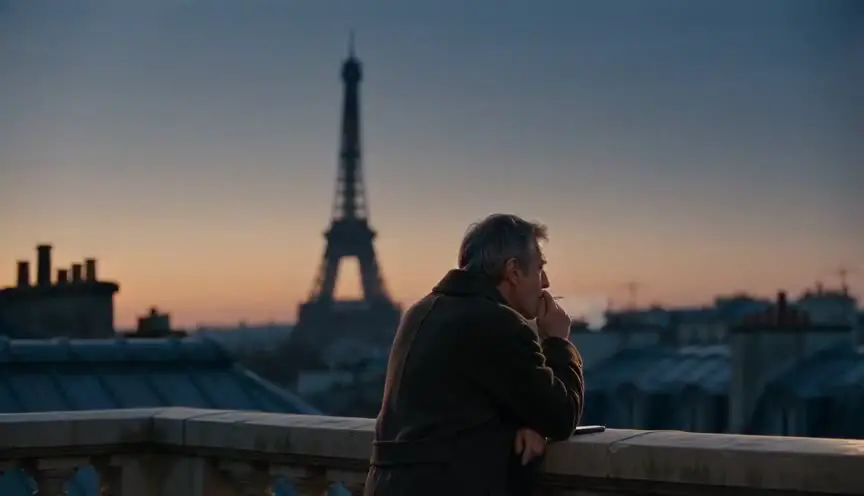
Vintage glass softens and warms, and grain adds the texture of old stock. Together they complete a period image, the lens for the optics and the grain for the medium.
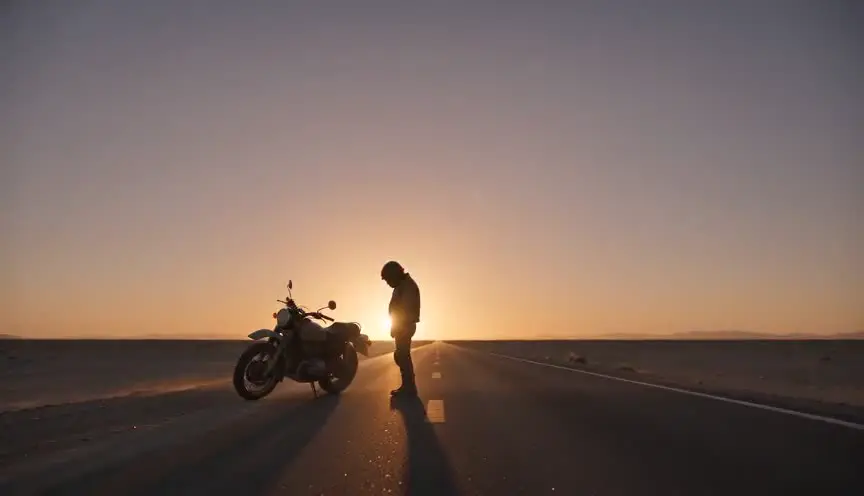
Low, warm sun into an old uncoated lens gives glowing flares and a gentle haze. The two strengthen each other for memories, romances and endings.
Reference
Watch it in
Joker (2019)
On the ARRI Alexa 65, the ARRI Prime DNA lenses, built with vintage elements and detuned, gave Gotham a softer late 1970s texture instead of a crisp digital feel.
Once Upon a Time in Hollywood (2019)
Robert Richardson shot with older Panavision glass to anchor 1969 Los Angeles in an image that feels like it belongs to its period.
ScreenWeaver
Set it up in ScreenWeaver
Mark the era or the memory in your scene headings and action lines, and ScreenWeaver breaks the screenplay down into shots automatically. Open each shot of the period or memory sequence, set the framing, angle, movement and duration, and add a vintage lens note so the look stays the same across them. Characters and locations carry from shot to shot, and the AI previsualization helps you compare the memory scenes with the present-day ones.
Start writing for freeThe prompt behind this clip
This is the exact prompt that rendered the clip at the top of the page. Keep the description of the camera and the light, change the subject and the place.
Vintage cine lens look, a woman in her thirties walking slowly through a sunflower field at golden hour, camera static on a low tripod at waist height. The lens renders soft focus falloff at the frame edges, a warm amber color cast, low contrast and gentle glow bleeding from the bright sky into the flowers. Backlit sunflowers create swirly, slightly oval bokeh in the foreground as she moves past them, and a soft flare blooms briefly as she crosses in front of the sun. The image stays gently soft overall, never sharp or clinical. No text.
Common mistakes
- 01
Mixing lenses at random
Old lenses vary a lot in color and contrast, even inside one set. Cutting between mismatched lenses looks like a continuity error. Test and pick a coherent group.
- 02
Softness on the key detail
Edge softness is charming until the actor's eyes land in it. Keep important faces near the center or stop down for key close-ups.
- 03
Faking everything in post
A soft filter and a warm grade can approximate the look, but real flare and bokeh behave differently with movement. Shoot tests before you decide to skip the glass.