Arthouse lookTime, space and silence as story
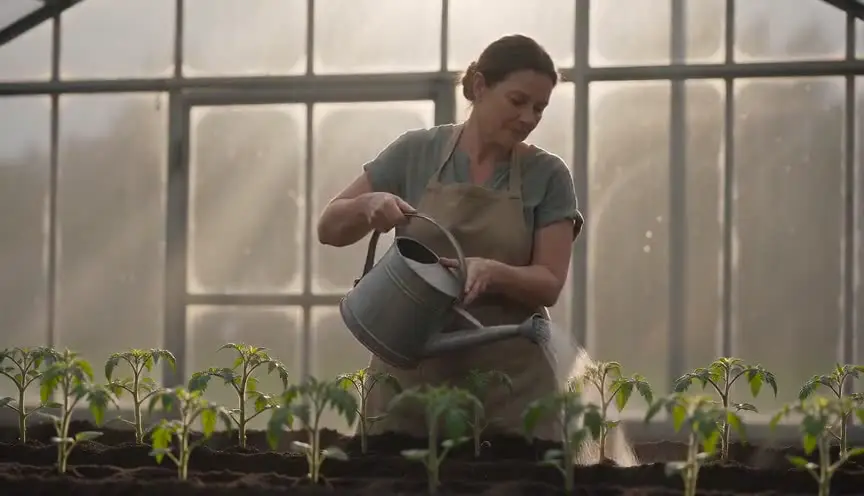
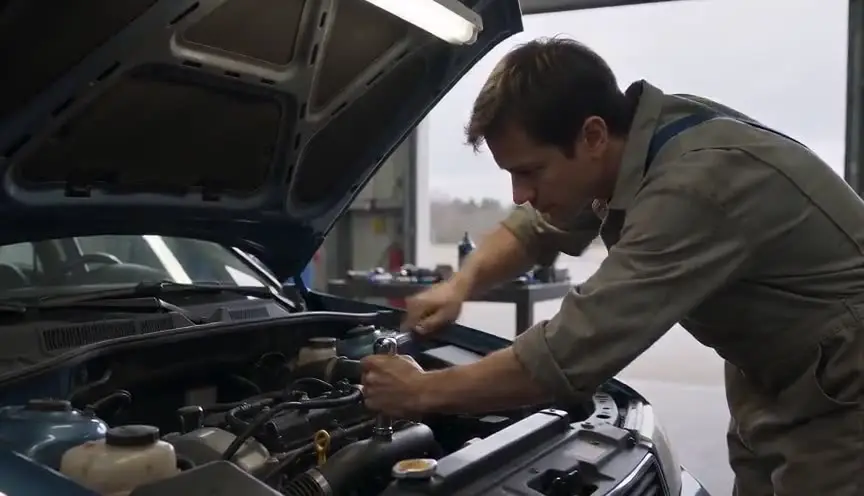
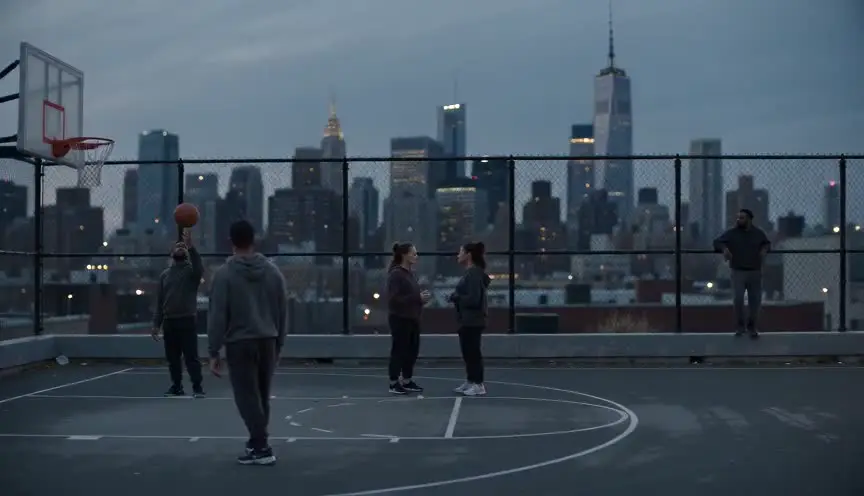
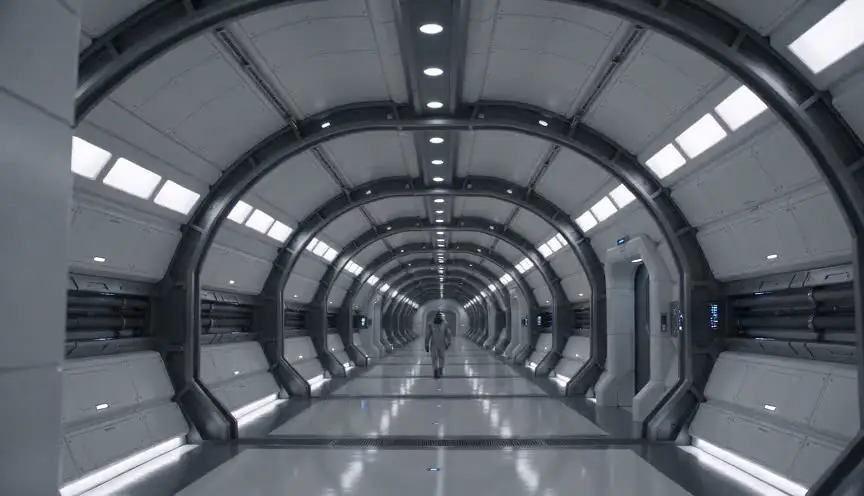
The arthouse look favors long takes, composed wide frames, natural light, silence and ambiguity over plot and explanation. The audience is asked to watch, wait and feel, and the meaning grows in the space between events.
Also calledArt cinema lookFestival film lookSlow cinema aesthetic
Genre looks
Why it works on screen
Arthouse films trust duration. A character crossing a landscape, a room where nobody speaks, a face that says nothing for a minute: these moments carry grief, alienation, longing and spiritual searching. The style serves inner life more than action. A story earns it when its real events are invisible, a marriage fading, a faith lost, a person slowly returning to themselves. It asks the audience to fill the silence with their own experience, which makes it deeply personal for some viewers and difficult for others. Its reward is a feeling that stays long after the film ends.
The shot list line
- Size
- Wide or medium wide, characters inside their space
- Angle
- Eye level, often from a distance
- Movement
- Static or very slow tracking
- Lens
- Normal lens, 35mm to 50mm
- Duration
- 30 s to several minutes
Frame for the whole scene, light with the real sources of the place, and let the take run past the point where a conventional film would cut.
Screenplay
On the page
An arthouse screenplay can be spare and still precise. Write the actions in their real time, the silences, the details of place and light that carry emotion. Avoid explaining what characters feel. Let behavior and environment say it. A writer may describe a long moment without dialogue, but should not dictate take lengths or lens choices. Those belong to the director's decoupage and the shot list, where the rhythm is set.
INT. KITCHEN, SOVIET-ERA APARTMENT - TBILISI - AFTERNOON
Light from a balcony door. A radio plays low, a station no one chose.
NINO GELASHVILI (70s) peels an apple in one long unbroken ribbon.
Her son GIORGI (40s) stands in the doorway with a packed suitcase. He does not come in.
The ribbon grows. It touches the table.
She does not look up. He does not leave.
The ribbon breaks.
Storyboard
In the storyboard
Draw a single wide panel for the whole take, with characters small in the space and the light source marked. Add a small arrow for any slow move and a time note in large numbers, such as "90 s". Use a second panel only if the frame changes meaningfully. Under the panel, list the small events inside the take, a sound, a gesture, a shift of light, since these are the scene's beats.
Pairs well with
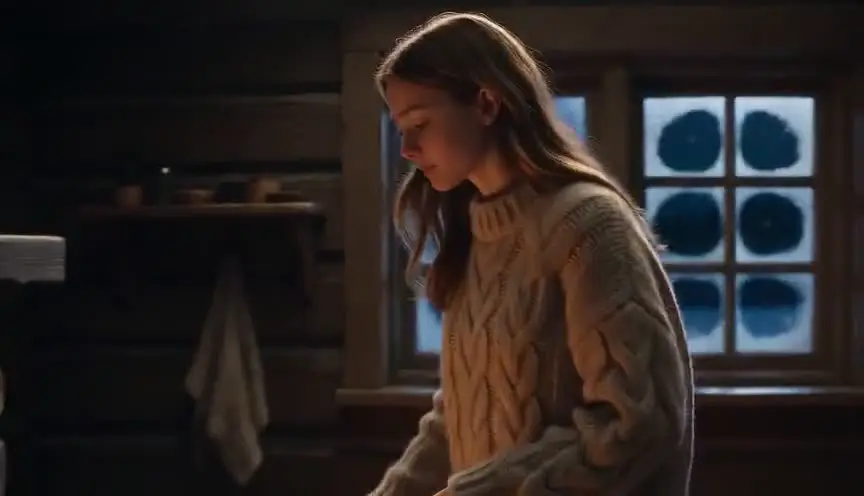
The long take is the arthouse unit of time. It lets a moment unfold without cuts, so the audience lives it rather than being told about it.
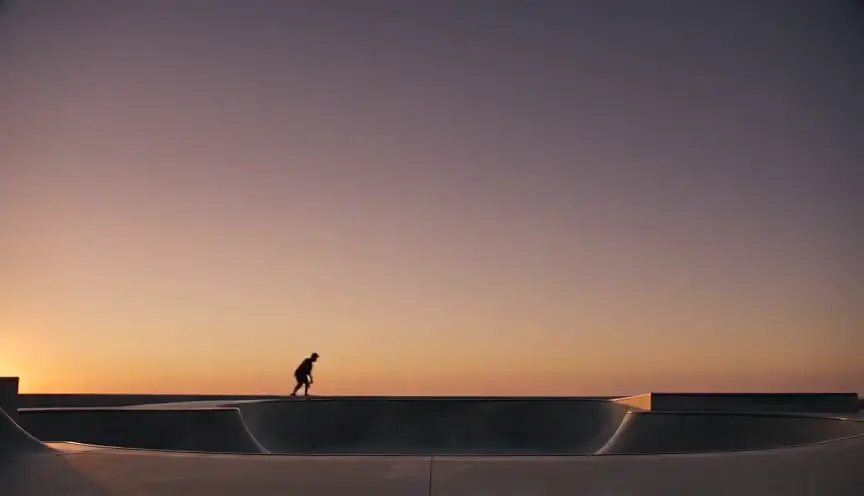
Empty space around characters expresses isolation, absence or spiritual weight. It gives the audience room to project their own feelings into the frame.
Reference
Watch it in
L'Avventura (1960)
Antonioni lingers on empty landscapes and drifting people, letting buildings and duration carry the feeling in place of dialogue.
Stalker (1979)
Tarkovsky's long takes and muted, damp colors turn a ruined industrial zone into a meditative, almost physical sensation of time.
Paris, Texas (1984)
Wenders relies on wide, patient frames and natural light over empty landscapes so silence and space speak for the characters.
ScreenWeaver
Set it up in ScreenWeaver
Write the scene in its real time, with silences and small actions, and ScreenWeaver breaks it down into shots automatically. Merge shots into a single long take where the scene should play without cuts, then set a wide or medium wide framing, an eye-level angle, a static or slow movement and a long duration. Characters and locations carry from shot to shot, and the AI previsualization lets you feel the length of the take before you decide how long to hold it.
Start writing for freeThe prompt behind this clip
This is the exact prompt that rendered the clip at the top of the page. Keep the description of the camera and the light, change the subject and the place.
Arthouse look: a static, locked-off wide shot inside an abandoned train station, shot on a 35mm lens at eye level, framing a middle-aged woman sitting alone on a cracked wooden bench near the far edge of the frame, most of the composition given to empty platform and broken skylight above. Natural daylight falls through dust and shattered glass in a single soft shaft, motes drifting slowly. She does not move for the first three seconds, then slowly turns her head toward the empty tracks. No music, no camera movement, no cuts. No text.
Common mistakes
- 01
Slow without substance
Long takes need something happening inside them, even small: a change of light, a gesture, a sound. Empty duration feels indulgent rather than meaningful.
- 02
Explaining the ambiguity
Adding voiceover or dialogue to explain emotions destroys the style. Trust the image and the audience's intelligence.
- 03
Pretty but empty frames
Beautiful compositions without emotional purpose become postcards. Each frame should express a relationship between characters and space.