Product shotMake an object worth wanting
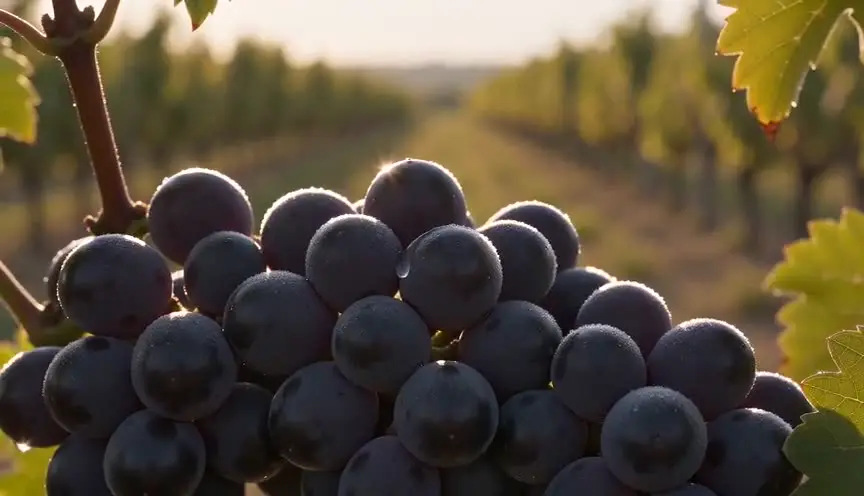
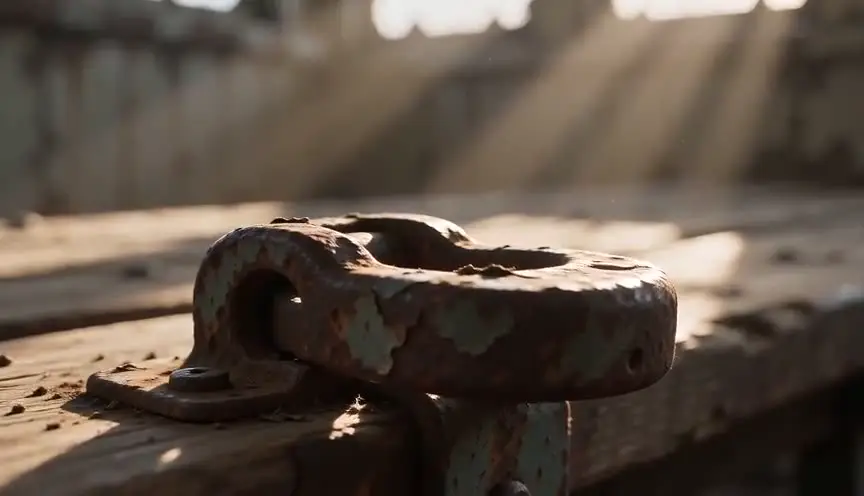
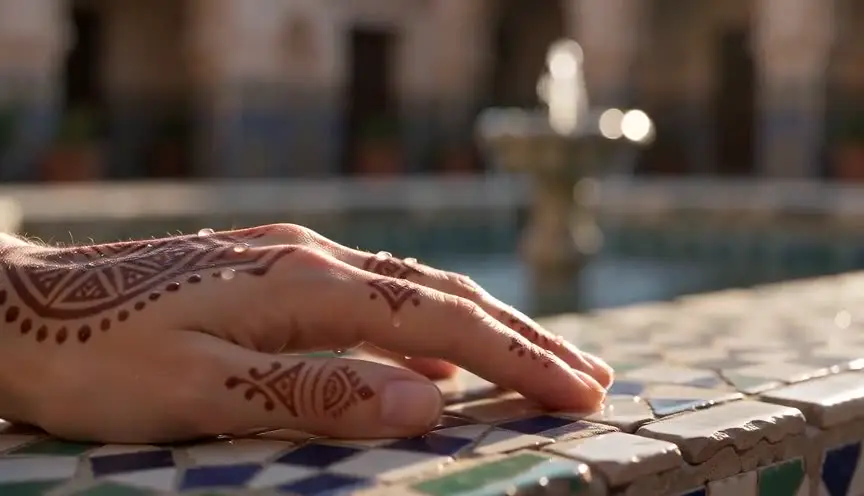
A product shot isolates a single object, frames it cleanly and lights it to show off shape, texture and material. The audience looks at a thing the way an advertiser wants them to: as something desirable, important or loaded with meaning.
Also calledHero shotBeauty shotObject shotPackshot
Shot sizes
Why it works on screen
In advertising, the product shot is the payoff of the whole spot. In fiction, it does two quieter jobs. It can turn an object into a character: the ring in its box, the revolver on the table, the trophy the family never mentions. And it can satirize desire, borrowing the glossy look of commercials to show a character who confuses things with happiness. It serves longing, temptation, obsession and irony. A scene earns it when an object will matter later, or when the film wants the audience to feel how seductive a thing is before showing what it costs.
The shot list line
- Size
- Close-up or insert
- Angle
- Slightly above eye level, or level with the object
- Movement
- Slow push in, turntable or slider move
- Lens
- 90mm to 100mm macro
- Duration
- 3 to 5 s
Clean the object and the surface before every take, and shape the light with flags and a rim until each edge of the object reads against the background.
Screenplay
On the page
In a commercial script, the product shot is expected and usually written as its own line or labeled as a packshot, since the client needs to see it on the page. In a feature, avoid the term. Write the object with the care you want the camera to give it: where it sits, how the light hits it, the one detail that matters. If the object needs a real close look, an INSERT heading is accepted and tells the director it deserves its own shot.
INT. WATCHMAKER'S WORKSHOP, GENEVA - NIGHT
Everything dark except one magnifier lamp.
Under it, on a square of green felt: a pocket watch, its case open, the engraved lid catching the light.
INSERT - THE LID
Two sets of initials, one of them scratched out.
BACK TO SCENE
OLD MASTER KRÜGER (80s) slides the felt toward his apprentice and says nothing.
Storyboard
In the storyboard
Draw the object large and centered, or on a strong third, with a clean, simple background. Mark the key light with an arrow and indicate the rim or edge highlight with a thin line along the silhouette. If the camera moves, draw the start and end frames and a push arrow between them. Note the surface, the lens, the depth of field and any detail that must be sharp, like a logo, an engraving or a drop of condensation.
Pairs well with
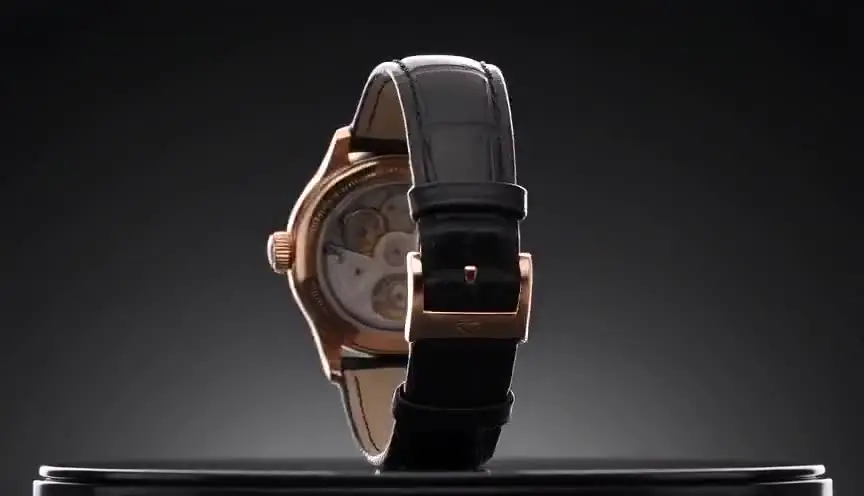
After the static hero frame, rotate the object on a turntable so the audience sees it from every side. The move adds reveal and volume without losing the clean presentation.

Cut from the object to the face of the person who sees it. The reaction tells us what the thing means to them, which turns a pretty image into a story beat.
Reference
Watch it in
Christine (1983)
The opening credits linger on the car's parts along the assembly line, lit and framed like an advertisement before the horror begins.
Fight Club (1999)
Fincher stages the Narrator's apartment as a furniture catalog, with pieces isolated in showroom frames and labeled like merchandise.
ScreenWeaver
Set it up in ScreenWeaver
Describe the object precisely in the action lines, and ScreenWeaver breaks the scene down into shots automatically. Open the shot on the object, set the framing to a close-up centered on it, the angle level or slightly above, the movement to a slow push in and a duration of three to five seconds. Add the object as a reference so it keeps the same look in every shot where it appears. Check the composition in the AI previsualization before planning the lighting.
Start writing for freeThe prompt behind this clip
This is the exact prompt that rendered the clip at the top of the page. Keep the description of the camera and the light, change the subject and the place.
Product shot of a hand-blown Murano glass perfume bottle standing on a weathered stone windowsill above a Venetian canal, the bottle centered and sharp against a softly blurred background of pastel canal houses and gently rippling water. A 100mm macro lens holds a shallow depth of field while the camera performs a slow, continuous push-in of a few inches over four seconds, keeping the frame locked level and centered. Warm, soft key light comes from the low afternoon sun at a 45 degree angle, catching the glass's facets and casting a thin rim of light along its edge, with the background staying fixed and defocused throughout. No text.
Common mistakes
- 01
Dust and fingerprints
Macro lenses show every speck. A smudge on glass or a hair on velvet ruins the illusion of perfection. Clean between takes with gloves on, and check the monitor at full magnification.
- 02
Flat, frontal light
A single light from the camera side makes the object look like a catalog scan. Use side light and a rim to reveal its shape, and control reflections with flags and black cards.
- 03
Background that competes
A busy background steals the eye from the object. Keep it simple, dark or deeply out of focus, so the object's silhouette reads at a glance.