Cinéma véritéLife caught while it happens
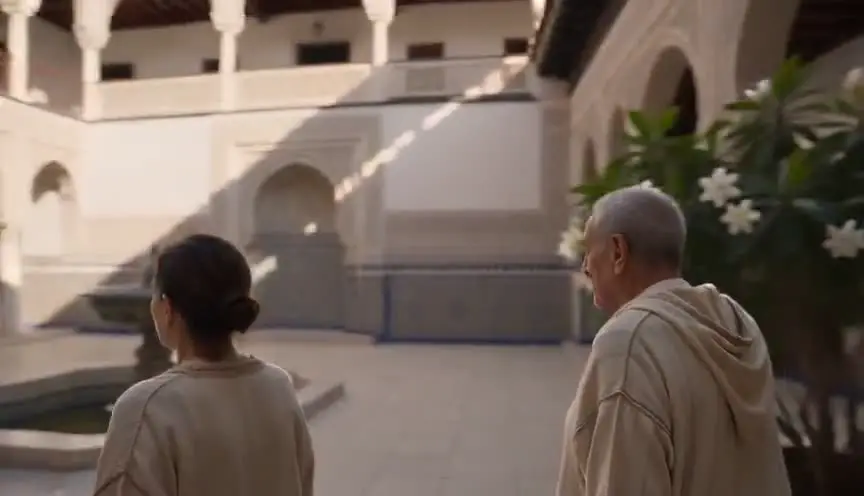
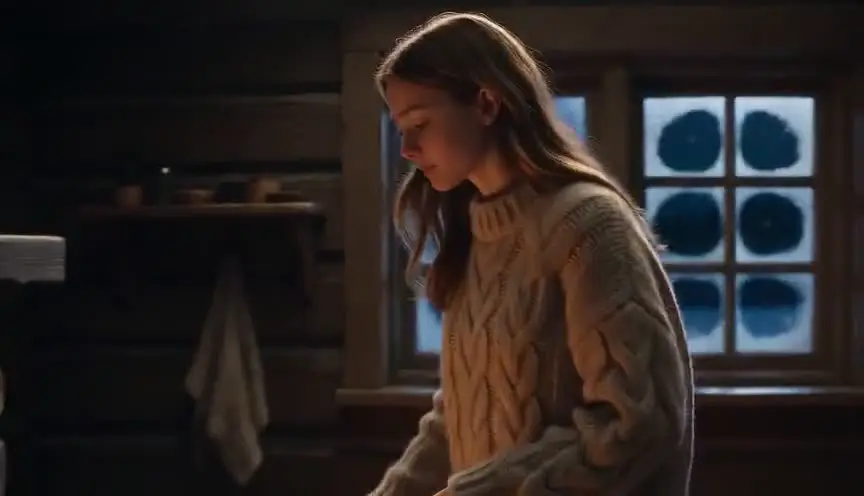
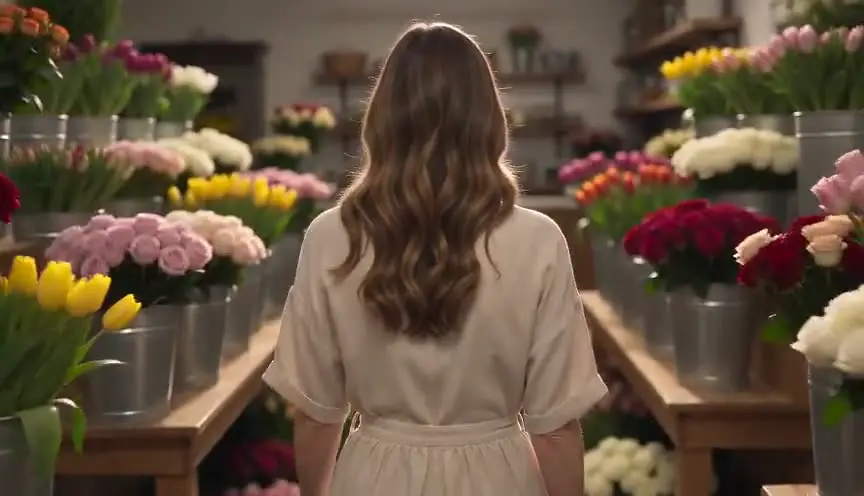
Cinéma vérité is an observational style born in documentary: a light handheld camera with synchronized sound follows real people as events unfold, with little or no staging. The audience feels they are in the room, catching moments that no one planned.
Also calledDirect cinemaFly-on-the-wall filmmakingObservational documentary style
Genre looks
Why it works on screen
Vérité puts truth of behavior above polish. The camera waits, follows and reacts, and the drama comes from people under pressure: a campaign, a tour, a sales route, a family meal that turns. In fiction, the style serves authenticity, intimacy and social observation. It suits stories about work, institutions, communities and people who do not know they are revealing themselves. A story earns it when the performances are grounded and the stakes are ordinary but real, when the audience should forget there is a script and simply watch people live, argue, fail and try again.
The shot list line
- Size
- Medium shots and close shots, found in the moment
- Angle
- Eye level, often over shoulders and between people
- Movement
- Handheld, following and reframing in real time
- Lens
- Zoom lens, roughly 24mm to 70mm
- Duration
- Long takes, 20 s and more
Light the space, not the actors, so they can move freely, and keep the camera ready to follow whoever the scene shifts to.
Screenplay
On the page
A screenplay written for a vérité style should feel like life: overlapping talk, unfinished sentences, tasks in progress, interruptions. Write the action and the behavior, not the camera. You may leave room for improvisation by noting what the scene must achieve rather than every line. Do not direct the handheld or the zooms on the page. Those choices, and how much the actors can wander, are settled in rehearsal and in the shot list.
INT. BAKERY PRODUCTION ROOM - MARSEILLE - 3 A.M.
Flour in the air. An oven door bangs. A radio plays Algerian raï too loud.
FARID BENSALEM (50s, owner, forearms white) argues on the phone with a supplier while shaping baguettes without looking.
His nephew YANIS (20) pulls a tray out too early. Farid sees it, keeps talking, points at the oven.
FARID
No, not you. Him. Both of you, actually.
Storyboard
In the storyboard
Draw fewer, looser panels. Sketch the room from above with the positions and likely paths of characters, then two or three key moments the camera must catch. Mark handheld movement with a wavy arrow and write "follow" or "find" rather than exact framings. Note where the light comes from and which areas are covered. Under the panel, list the beats the scene must deliver, not the exact shots.
Pairs well with
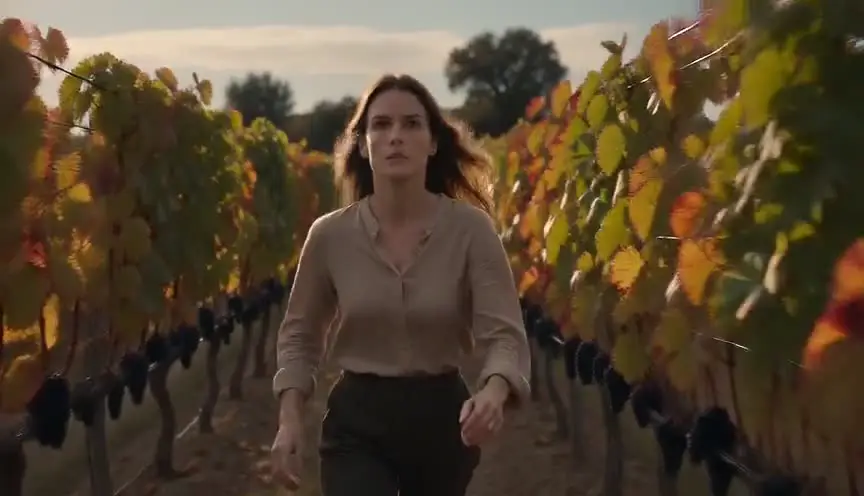
Handheld is the body of the style. It lets the camera react and reframe like an observer who is surprised by what happens, which gives vérité its sense of discovery.
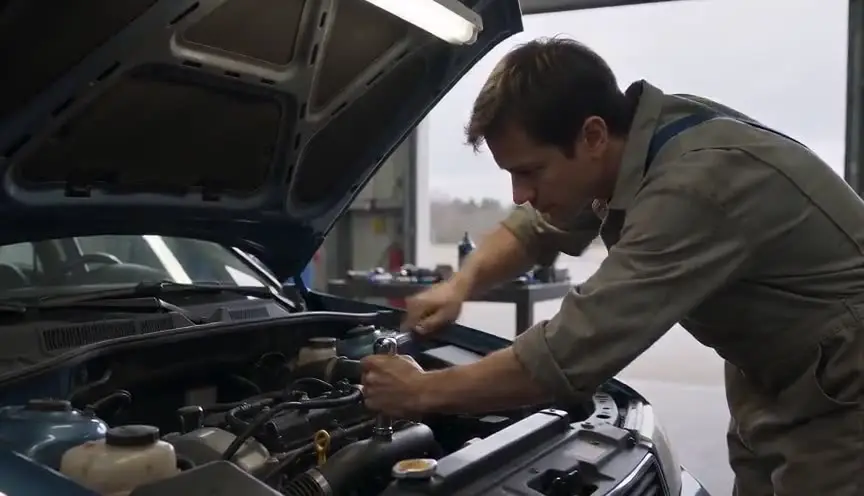
Working with the light already in the space frees the actors and the camera to move anywhere. It also keeps the image honest, which the style depends on.
Reference
Watch it in
Dont Look Back (1967)
D.A. Pennebaker follows a touring singer with a handheld camera and synchronized sound, a model of direct cinema later merged with vérité.
Primary (1960)
Robert Drew's team trails Kennedy and Humphrey through the Wisconsin primary with handheld sync sound, a key work of American direct cinema.
Salesman (1969)
The Maysles brothers and Charlotte Zwerin watch door-to-door Bible sellers with a light touch, a handheld camera and synchronized sound.
ScreenWeaver
Set it up in ScreenWeaver
Write the scene as behavior and overlapping action, and ScreenWeaver breaks it down into shots automatically. Merge shots into longer takes where the scene should play continuously, then set eye-level angles, handheld movement and long durations. Keep framing notes loose, describing whom the camera should find. Characters and locations carry from shot to shot, and the AI previsualization lets you check that the key beats stay visible even with a free-moving camera.
Start writing for freeThe prompt behind this clip
This is the exact prompt that rendered the clip at the top of the page. Keep the description of the camera and the light, change the subject and the place.
Cinema verite: handheld 16mm-style footage inside a fluorescent-lit laundromat at night, camera unsteady and slightly low, following a tired night-shift worker as she folds laundry near a row of humming washers. The frame drifts and re-frames as if reacting in real time, exposure driven only by the overhead fluorescent tubes and a flickering neon sign through the window, no additional lighting. Grain is visible, focus breathes slightly, and the operator's breathing motion shows in the shake. No text.
Common mistakes
- 01
Staged blocking
If actors hit perfect marks and wait for their lines, the handheld feels fake. Let them move, overlap and work with real objects, and let the camera follow.
- 02
Shaky for the sake of it
Vérité handheld reacts to what happens. Random shaking without a reason is just noise. The camera should move when something draws its attention.
- 03
Lighting for each shot
Relighting between angles stops the flow and forces the actors back into positions. Light the whole space once and let the scene run.