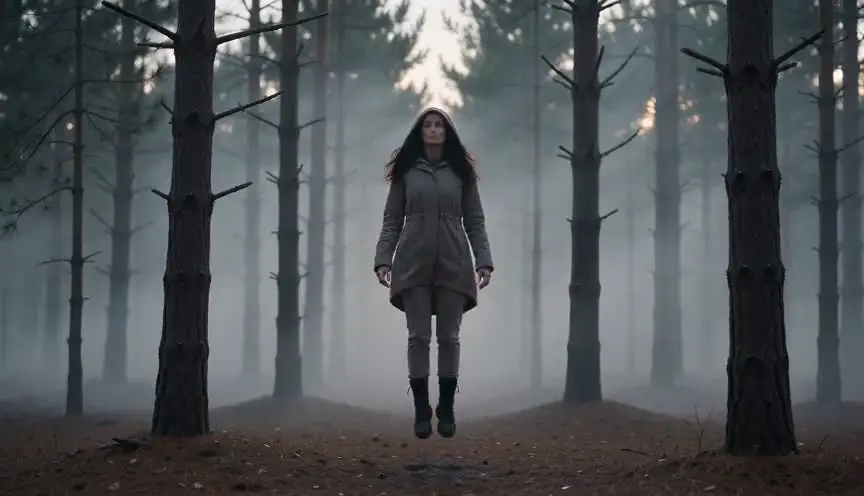
Floating cameraA presence without a body
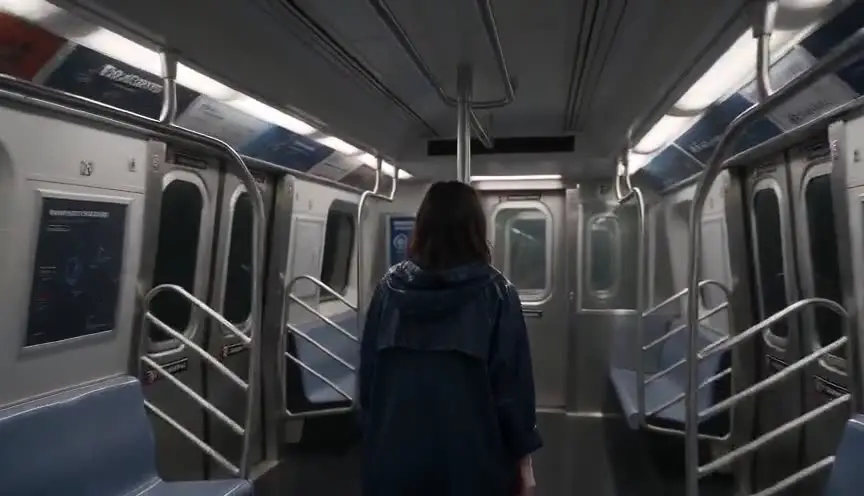
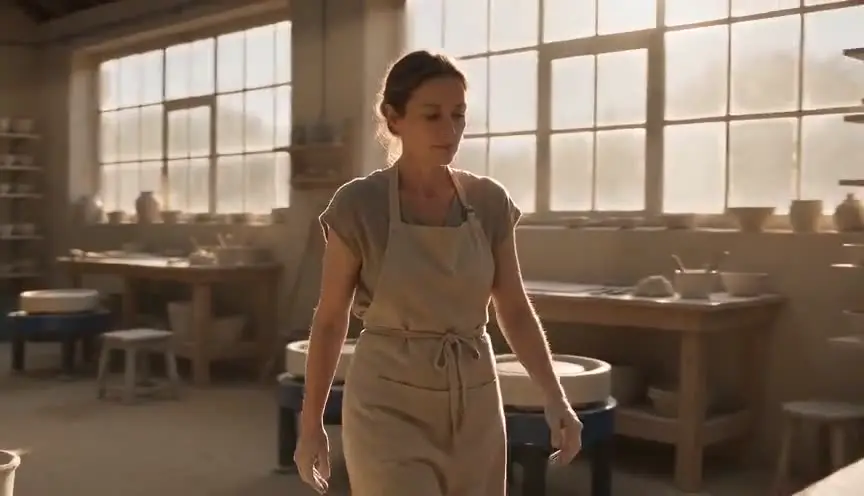
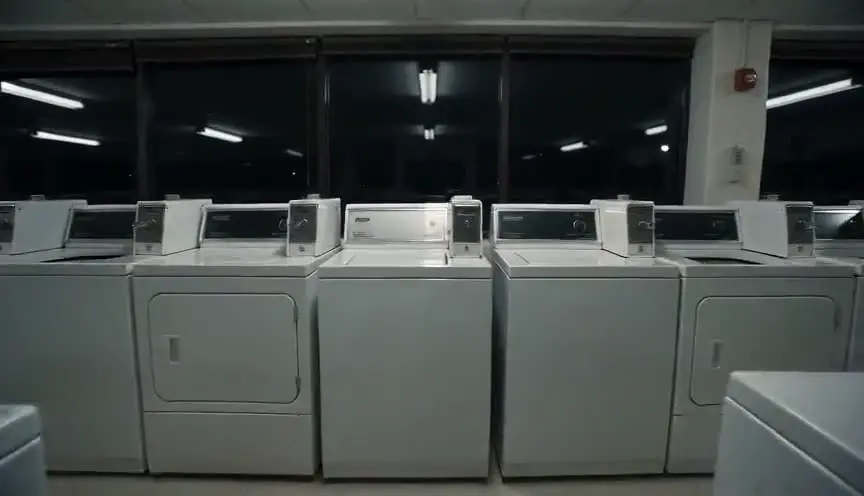
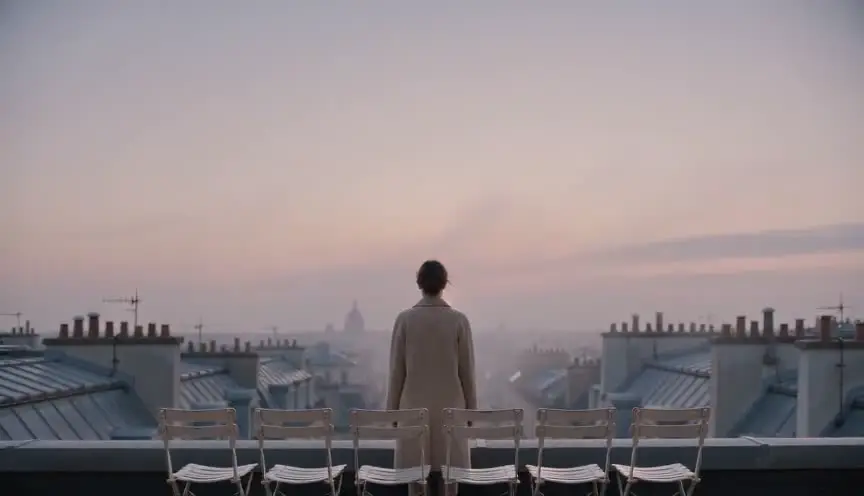
A floating camera drifts through space with no footsteps, no shake and no obvious operator, gliding at a height or speed a person could not hold. The audience feels watched by something that is not quite human: a ghost, a memory, the house itself.
Also calledWeightless cameraGhost cameraDrifting cameraLevitating camera move
Camera movement
Why it works on screen
Use it when the point of view belongs to no one in the scene, or to someone who is not there. It serves unease, grief, the supernatural and the dreamlike. A widower's farmhouse at night, a school after the last bell, a hotel corridor that seems to wait for someone: the drifting frame makes the place feel inhabited by an unseen observer. It can also carry a memory, slipping between rooms and years. A scene earns it when absence is the subject, when a character senses something they cannot name, or when the story itself is being told by a presence outside the living.
The shot list line
- Size
- Wide shot drifting to a medium shot
- Angle
- Slightly above eye level
- Movement
- Slow, weightless glide along the hall and through the doorway
- Lens
- 18mm to 25mm
- Duration
- 10 to 20 s
Keep the speed constant and the horizon perfectly level, and avoid any bob or footstep rhythm so the move never betrays a person carrying the camera.
Screenplay
On the page
Do not write "the camera floats" in a spec script. Write the emptiness and the sense of being watched: the silence of the house, a door ajar, the character pausing as if someone just passed. If the narrator is literally a spirit, the premise itself tells the director the camera will drift. Height, speed and the rig, whether Steadicam, gimbal on a cable cam or drone indoors, belong in the shot list.
INT. HALVERSON FARMHOUSE - UPSTAIRS HALL - NIGHT
Moonlight on the floorboards. Every door closed but one.
Through that one: WALT HALVERSON (78) asleep in his armchair, the television hissing blue.
On the side table, two coffee cups. One of them is still warm, steam rising.
Walt stirs, opens his eyes, looks straight at the doorway.
WALT
Maggie?
Storyboard
In the storyboard
Draw a floor plan with a smooth curved line for the camera path, marking its height at each point, then three panels along the path: start, the doorway, and the end frame on the subject. Use a dotted, wavy arrow to suggest drift rather than a hard straight one. Note the speed, the camera height in centimeters or feet, and any moment where the path passes through a gap or over furniture.
Pairs well with

Cutting to a locked-off shot after the drift anchors the audience back in the living world. The contrast between floating and fixed makes the unseen presence feel even stranger.

When a character turns toward the drifting camera, a reaction shot shows that they sense the presence. The audience realizes the point of view has been noticed.
Reference
Watch it in
The Shining (1980)
A low Steadicam glides through the Overlook's halls and rooms so smoothly that no human step seems to be carrying it.
Enter the Void (2009)
After death, the first-person view rises and drifts through walls and ceilings, watching the story like a spirit that cannot leave.
ScreenWeaver
Set it up in ScreenWeaver
Write the empty space and the feeling of a presence in your action lines, and ScreenWeaver breaks the scene down into shots automatically. Open the drifting shot, set a wide framing slightly above eye level, pick a slow forward or curved movement, and give it a long duration. The location and the character carry from shot to shot, so the house stays the same when you cut to the sleeper. Check the pace and the height in the AI previsualization.
Start writing for freeThe prompt behind this clip
This is the exact prompt that rendered the clip at the top of the page. Keep the description of the camera and the light, change the subject and the place.
Floating camera drifting slowly and weightlessly through a 1970s New York diner at eye level, gliding past red vinyl booths, chrome counters, and steam rising from coffee cups, with no visible footsteps, no bounce, and no human sway, as if an invisible presence moves through the room. The camera passes smoothly between a waitress pouring coffee and two men talking quietly at the counter, never speeding up or slowing down, staying perfectly level under warm tungsten light and soft neon glow from the window. The lens stays locked in slow, continuous focus throughout the take. No text.
Common mistakes
- 01
A human rhythm
Any bounce or footstep in the image breaks the illusion. Use a stabilized rig, a slow speed and practice passes until the move feels truly weightless.
- 02
Floating everywhere
If every scene drifts, the effect becomes the film's style and loses its meaning. Reserve it for the presence, the memory or the dream the story is about.
- 03
No destination
A drift that wanders without purpose tires the audience. Give the move a place to arrive, a face, an object, a door, so the presence seems to want something.