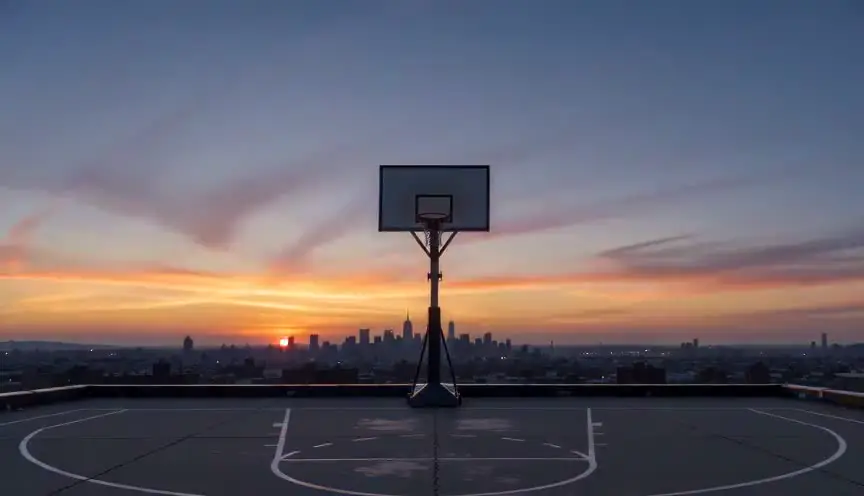
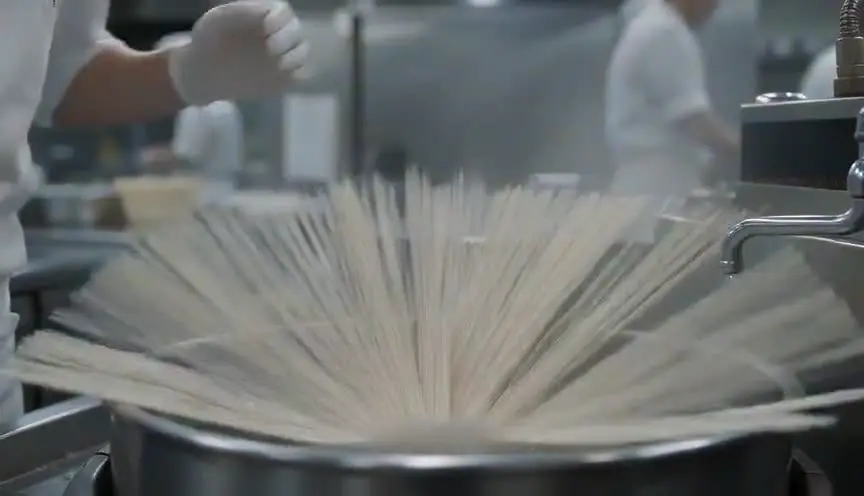
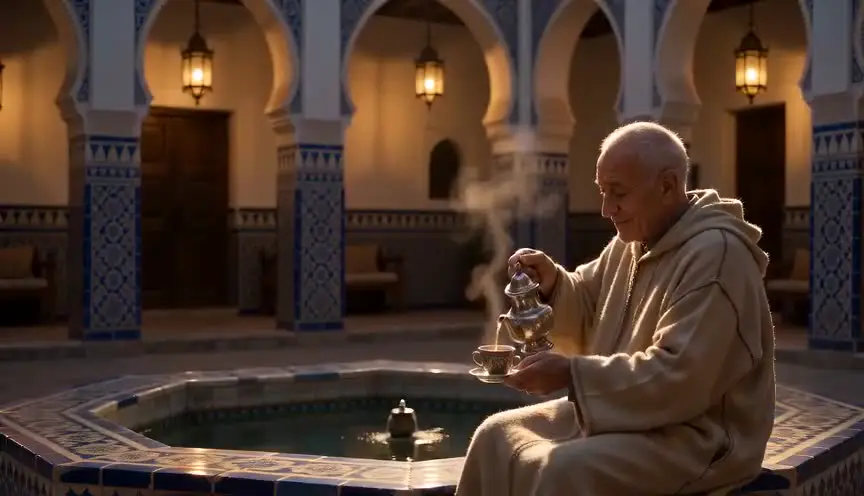
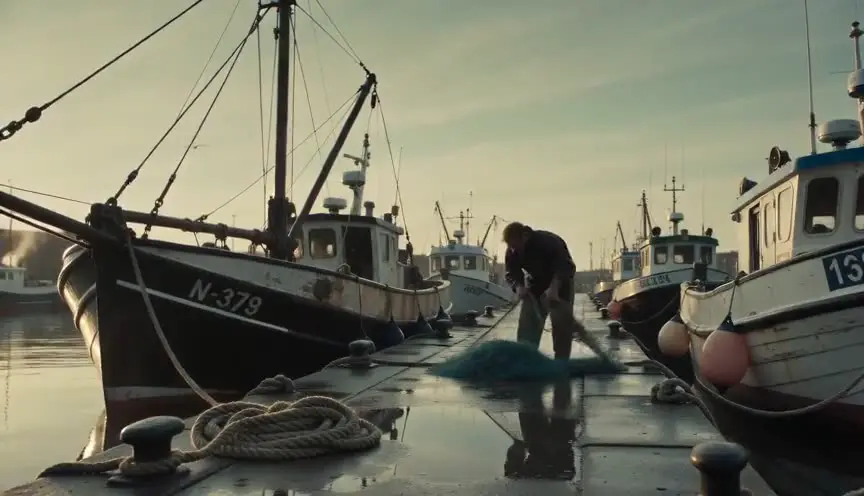
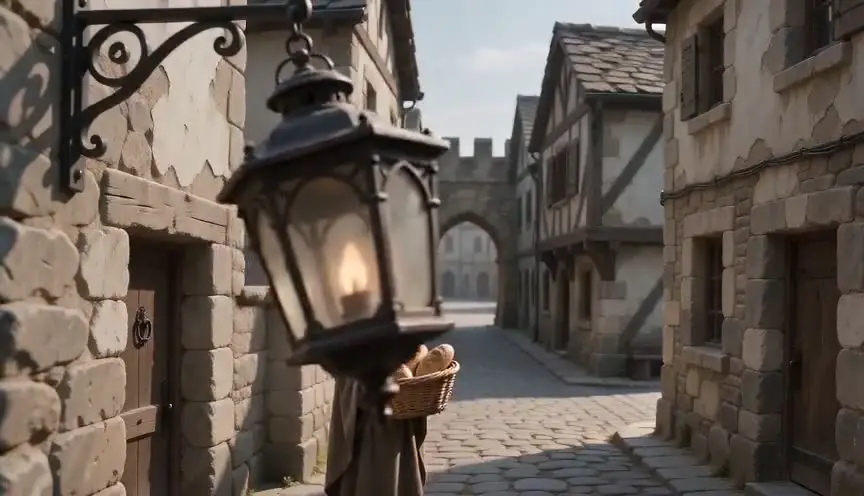
Montage sequenceWeeks of change in a minute
A montage sequence strings together short shots, often set to music, to compress a long stretch of time or a process into a few minutes. The audience watches a character change, grow or fall, without sitting through every day.
Also calledTraining montagePassage-of-time montageMontage
Editing and transitions
Why it works on screen
Montage is the story's fast-forward with feeling. It serves training, learning, falling in love, building something, a slow decline, a city waking up. Each shot shows a step, and the sequence as a whole shows progress or loss. The music or rhythm carries emotion, while the images carry evidence. A scene earns it when the story needs time to pass and the audience already understands the goal, so they can enjoy the journey in shorthand. The best montages have a shape: a start, setbacks, a turning point and a result that changes what comes next.
The shot list line
- Size
- Mix of wides, mediums and inserts
- Angle
- Varied, but consistent within each location
- Movement
- Mostly static or short moves, energy comes from the cutting
- Lens
- Varied, often wide for progress and tight for effort
- Duration
- 1 to 4 s per shot, 45 s to 3 min in total
Shoot more beats than you need, with clear markers of time and progress (weather, clothes, skills), so the editor can build a shape.
Screenplay
On the page
MONTAGE and SERIES OF SHOTS are accepted headings, so a writer may use them when time compression is part of the story. Keep each beat to one line, and make sure the beats show progress or change, not just activity. End with a clear return to normal scenes. Avoid listing twenty shots; five to eight strong images are enough on the page. The music, shot lengths and exact order are the editor's work, planned in the shot list.
EXT. MOMBASA PUBLIC POOL - DAWN
JOSEPH OTIENO (68, borrowed trunks) grips the edge while kids cannonball past him.
MONTAGE: JOSEPH LEARNS TO SWIM
- A week later: he floats on his back, eyes screwed shut, a coach's hand under his head.
- Rain on the water: he swallows half the pool, coughs, climbs out, climbs back in.
- EXT. INDIAN OCEAN BEACH - SUNSET: he wades into the waves alone.
- He swims ten strokes. His granddaughter shrieks with joy from the sand.
END MONTAGE
Storyboard
In the storyboard
Draw a strip of small panels, one per beat, numbered in order, like a comic page. Under each, write the time marker (week one, rain, sunset) and what has changed. Use arrows or a curved line above the strip to show the emotional arc, dipping at setbacks and rising at success. Note the music cue and the moment it peaks. Mark the final panel as the payoff that ends the montage.
Pairs well with
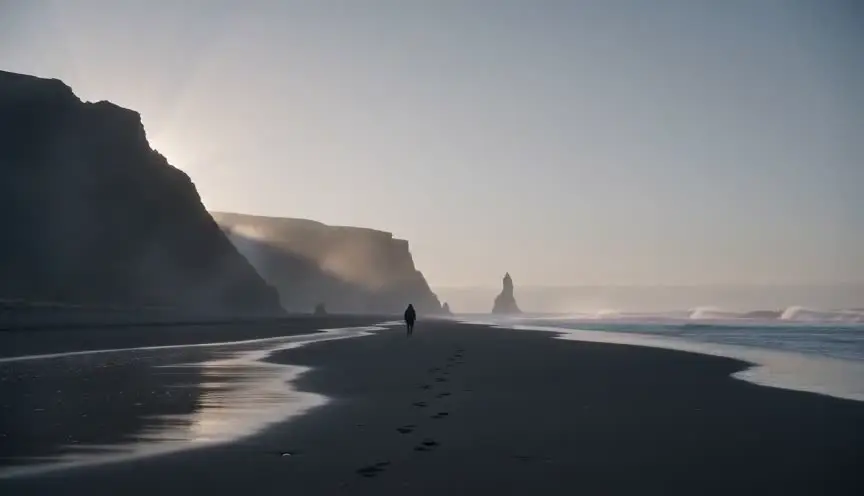
Starting the montage with an establishing shot of the place where change will happen gives the audience a before image. The final shot can then mirror it as the after.
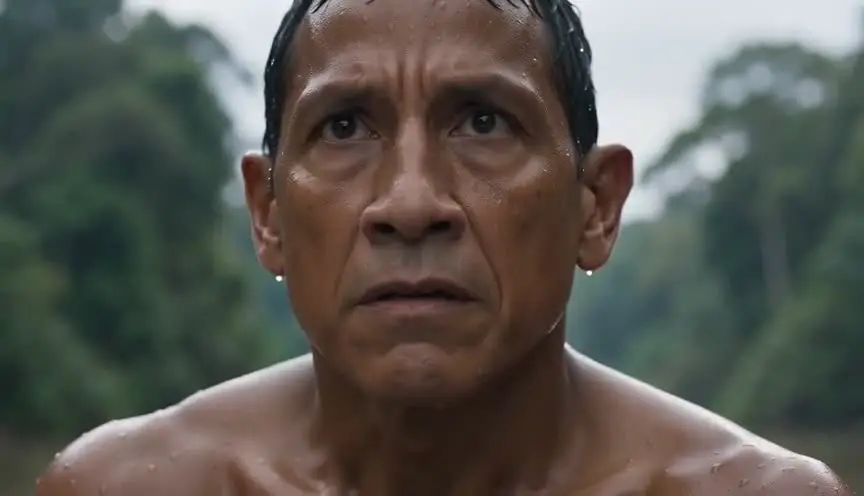
A close-up after the montage slows everything down to the character's face, letting the audience feel what the compressed weeks cost and what they earned.
Reference
Watch it in
Rocky (1976)
Runs through the city and gym drills, cut to music, squeeze weeks of training into a few rousing minutes.
Mulan (1998)
Drills, failures and small wins alternate under a pounding song, showing the recruits, and Mulan, getting better fast.
Rocky IV (1985)
Snowy farm workouts cut against a high-tech gym, a two-sided training sequence copied endlessly ever since.
ScreenWeaver
Set it up in ScreenWeaver
Write MONTAGE in your screenplay with one line per beat, and ScreenWeaver breaks it down into shots automatically. In the storyboard, give each beat a framing, angle, movement and short duration, varying wides for progress and close shots for effort. Characters and locations carry from shot to shot, so costumes and places change only when you want them to. Watch the sequence in the AI previsualization to check the shape before you choose music.
Start writing for freeThe prompt behind this clip
This is the exact prompt that rendered the clip at the top of the page. Keep the description of the camera and the light, change the subject and the place.
Montage sequence in a worn boxing gym: shot one is a wide shot of a middle-aged man skipping rope under hanging bulbs, shot two is a close-up of a young woman's gloved hands being taped by a trainer, shot three is a medium shot of an older man driving punches into a heavy bag, dust drifting in warm tungsten light. The three shots are joined by quick straight cuts roughly every one and a half seconds, same gym, same warm color palette, slight handheld sway on each shot, consistent rhythm throughout. No text.
Common mistakes
- 01
Activity without change
A montage of someone just doing things, with no progress or setback, feels like filler. Each beat should show a step forward or back.
- 02
Too long
Montages that run four or five minutes lose their energy. Keep the sequence tight, with a clear build and a satisfying end point.
- 03
No time markers
If the audience cannot tell how much time is passing, the compression feels weak. Use weather, clothing, light and skills to show days and weeks going by.