17 techniques
Camera anglesWhere the audience looks from
An angle is a point of view with an opinion. Looking up at a character grants them weight, looking down takes it away, tilting the horizon says something is off. The audience feels it before they notice it.
Most angles belong in the shot list, not the screenplay. The exceptions are story angles like a point of view shot, which a writer can signal clearly. Each page shows the angle, when it helps and how to note it.
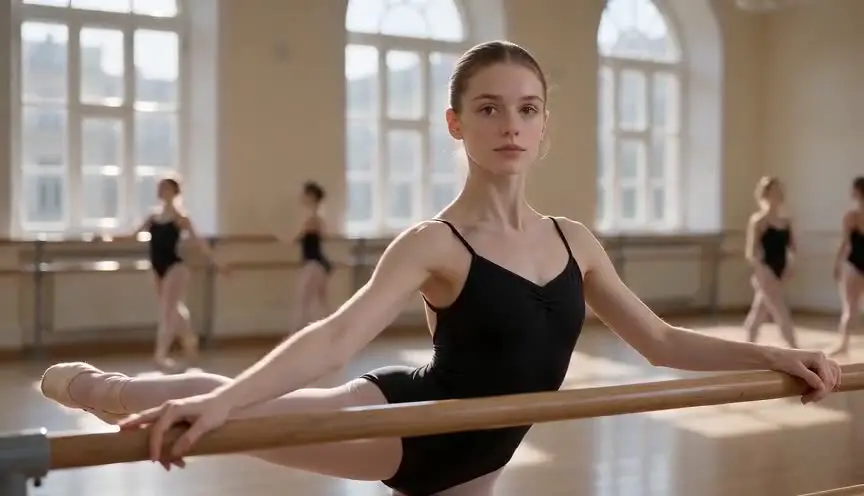
Eye level shot
An eye level shot places the lens at the height of the subject's eyes, neither looking up nor looking down. The audience meets the character as an equal, which makes the angle feel honest, calm and close to everyday life.
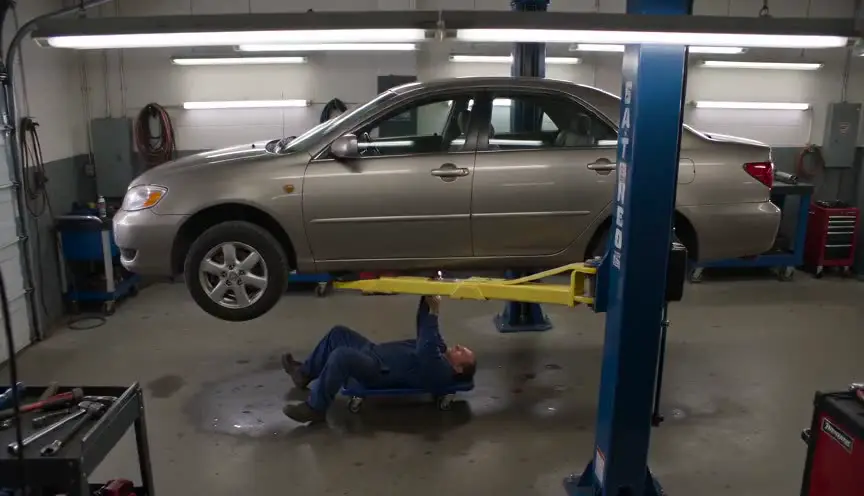
High angle shot
A high angle shot places the camera above the subject and tilts it down. The character looks smaller, more exposed and more alone, and the audience feels they are watching from a position of power or pity.
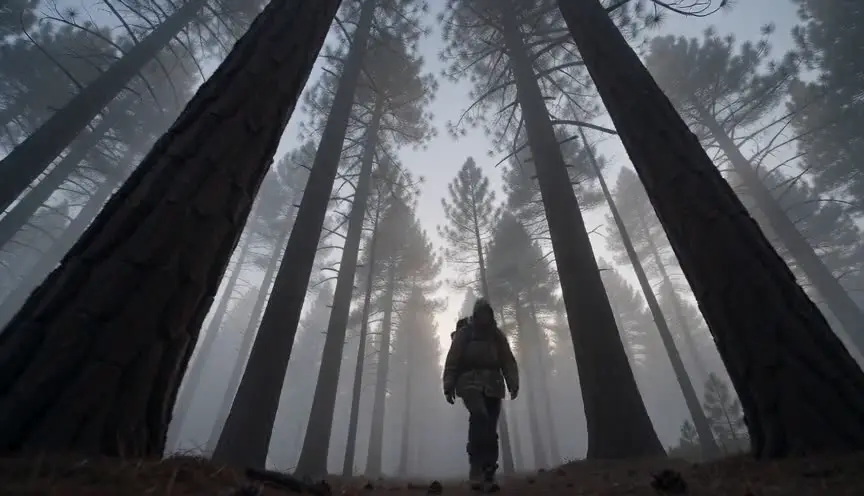
Low angle shot
A low angle shot places the camera below the subject's eyes and tilts it up. The character grows taller and heavier in the frame, and the audience feels the pull of their power, whether it inspires or threatens.
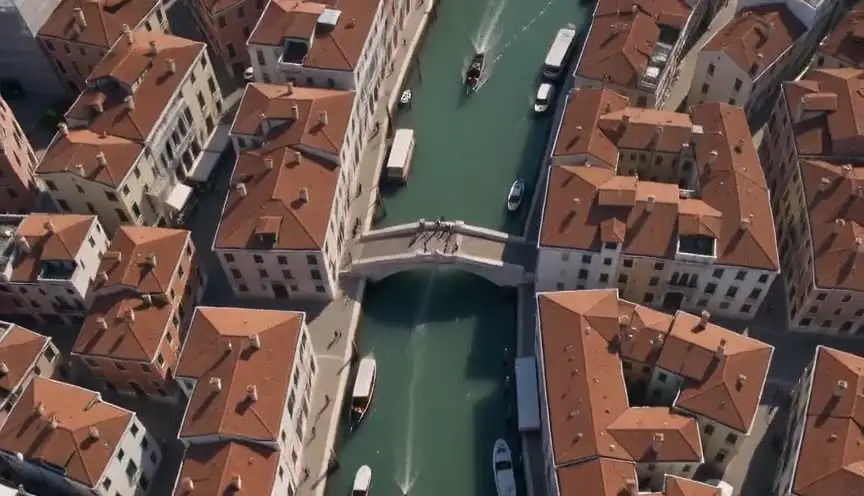
Bird's-eye view
A bird's-eye view looks straight down on a scene from high above, so people become small shapes on a flat plane. The audience stops living the moment and starts reading it, like a map, a pattern or a verdict.
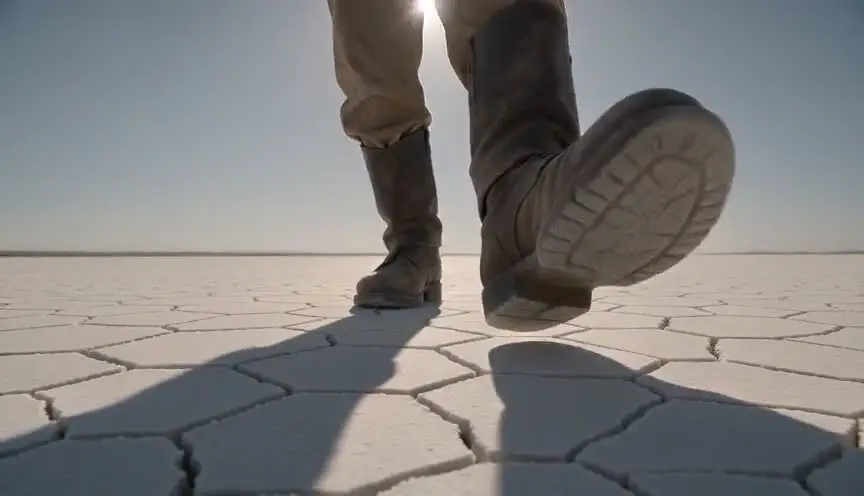
Worm's-eye view
A worm's-eye view puts the camera at or near the ground and aims it steeply upward. People, buildings and objects tower over the lens, and the audience feels tiny, pinned down or overwhelmed.

Overhead top-down shot
An overhead shot looks straight down onto a surface close below the camera: a desk, a bed, a board game, hands at work. The scene flattens into a clean graphic layout, and the audience reads every object in its place.

Ground level shot
A ground level shot rests the camera on or just above the floor and keeps it roughly level, so the ground stretches toward the horizon and small things fill the foreground. The audience notices boots, wheels, dust and insects before they notice faces.
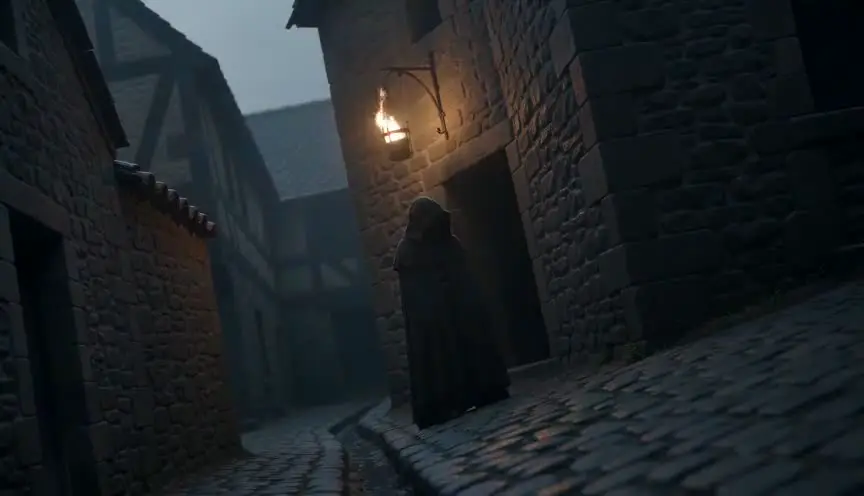
Dutch angle
A Dutch angle rolls the camera on its axis so the horizon runs at a slant across the frame. Verticals lean, the image looks unstable, and the audience senses that something in the scene, or in a character's mind, is off balance.
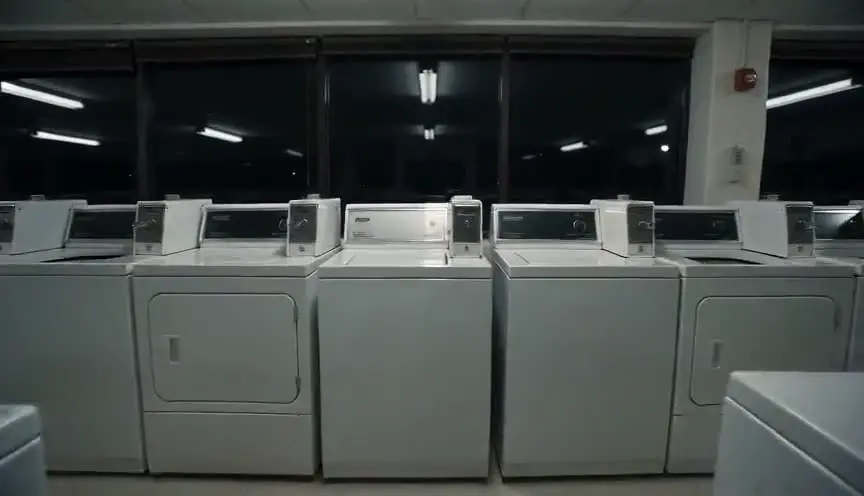
Point of view shot
A point of view shot shows exactly what a character sees, from where their eyes are. The audience stops watching the character and becomes them for a moment, which makes discovery, fear and desire direct.
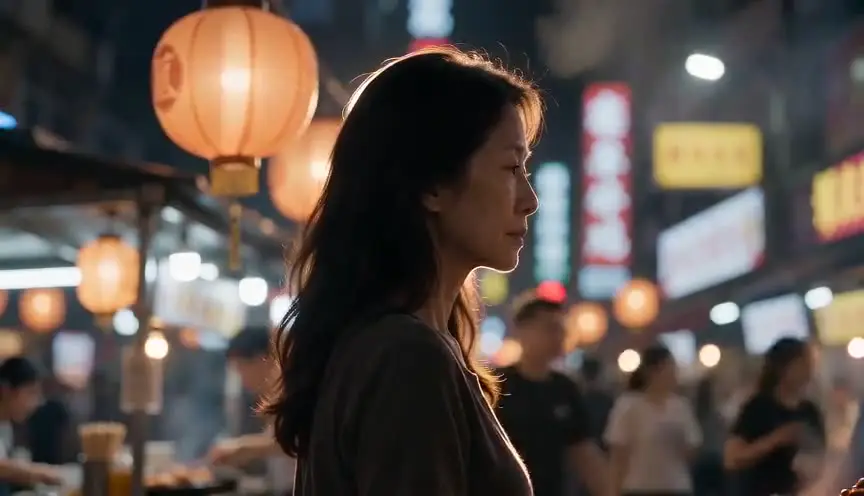
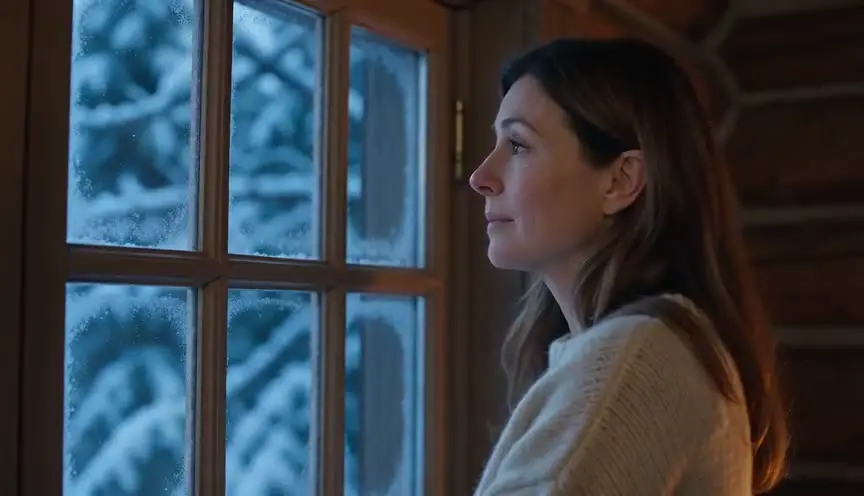
Profile shot
A profile shot frames a character from the side, at 90 degrees to the lens, so we see the line of the brow, nose and chin but only one eye. The audience watches without being looked at, which creates distance, mystery or a sense of a face as a portrait.
Three-quarter angle
A three-quarter angle turns the subject about 45 degrees from the lens, halfway between a frontal view and a profile. We see both eyes and the shape of the face at once, which makes the character feel present, dimensional and easy to read.
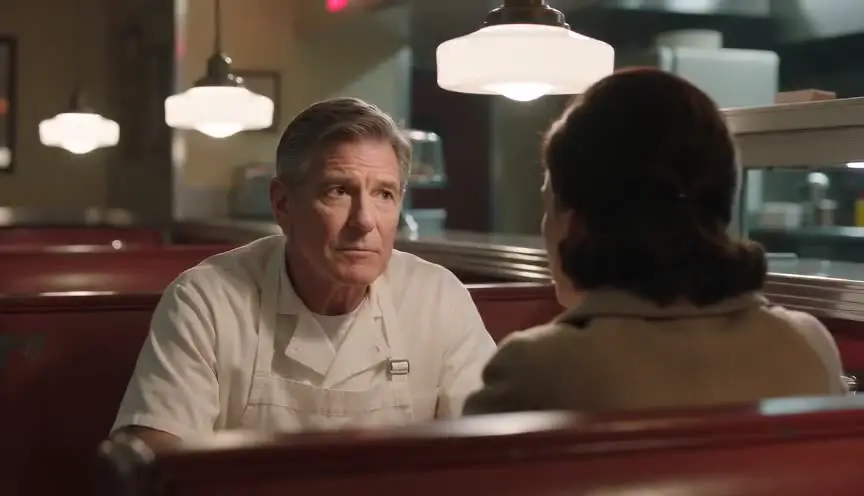
Reverse angle shot
A reverse angle shot turns the camera around to show the opposite side of the previous shot, usually the person or thing a character was facing. Cut together, the two angles let the audience move between both sides of an exchange as if standing in the middle of it.
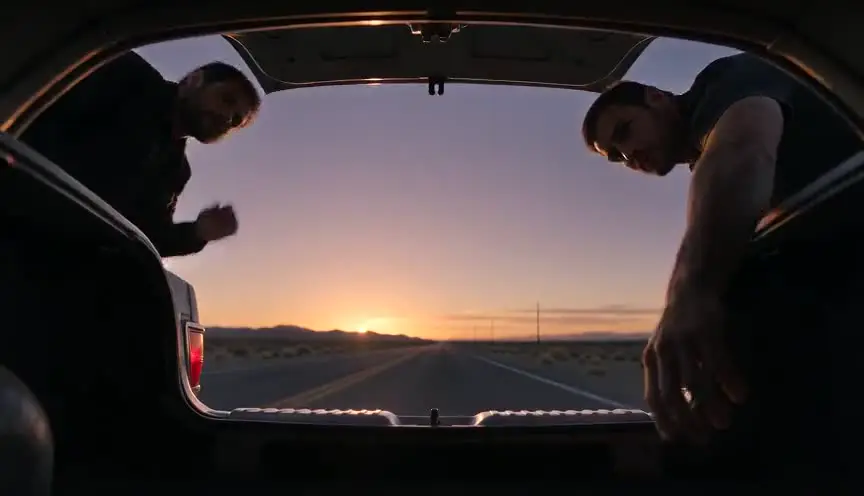
Trunk shot
A trunk shot places the camera inside a car trunk, looking up at the characters who open the lid and lean over it. The audience takes the place of whatever lies inside, and the people above look down at us with curiosity, disgust or menace.
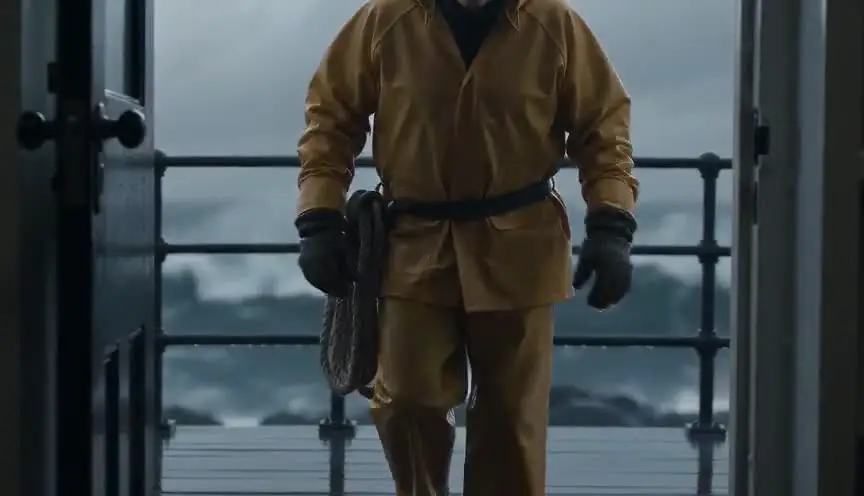
Hip level shot
A hip level shot places the camera at the height of a standing character's waist, framing hands, belts and holsters with the body rising above. The audience watches what people are about to do with their hands before their faces tell them.
Shoulder level shot
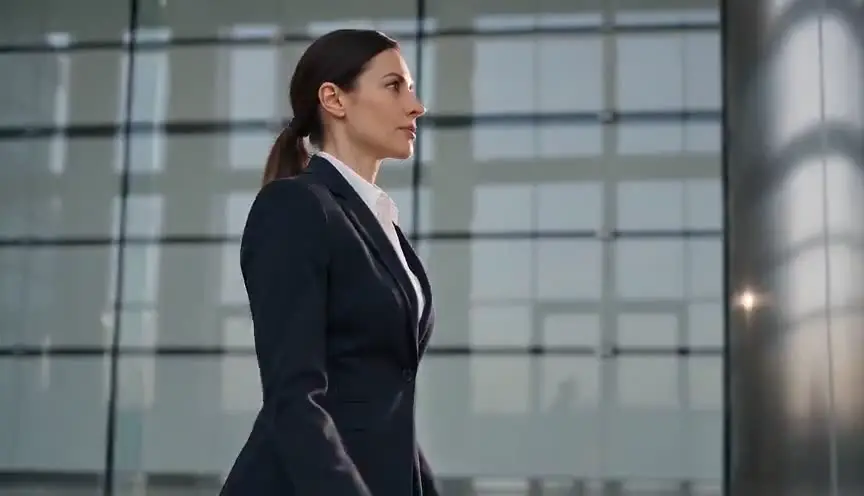
A shoulder level shot holds the camera at the height of a standing person's shoulders, just below the eyes. The characters look slightly taller than neutral, and the audience feels like one more person in the room, moving at the same height as everyone else.
Breaking the fourth wall
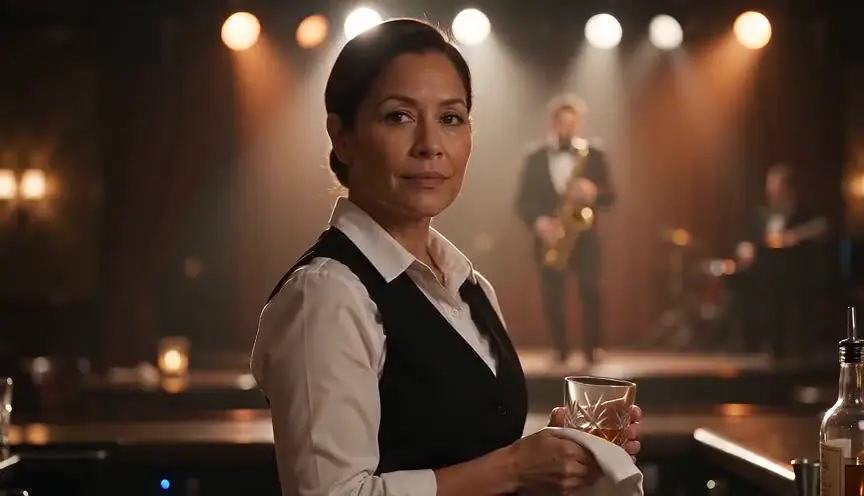
Breaking the fourth wall means a character looks straight into the lens and speaks to, or simply acknowledges, the audience. The invisible barrier between film and viewer drops, and the audience becomes a confidant, an accomplice or a witness under accusation.

Object POV shot
An object POV shot shows the scene from the position of an object, as if it could see: a mailbox, a fridge, a phone, a bullet in flight. The audience gets a playful or unsettling viewpoint that no person in the story could have.