Moonlight gelDarkness you can still see
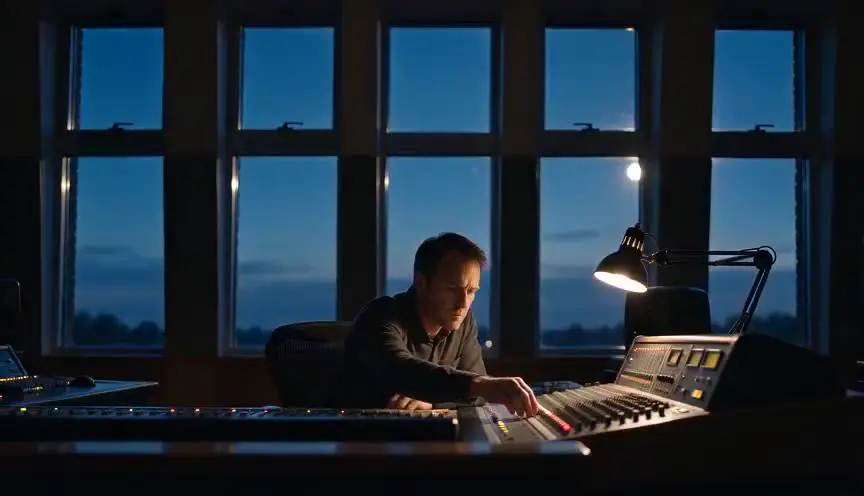
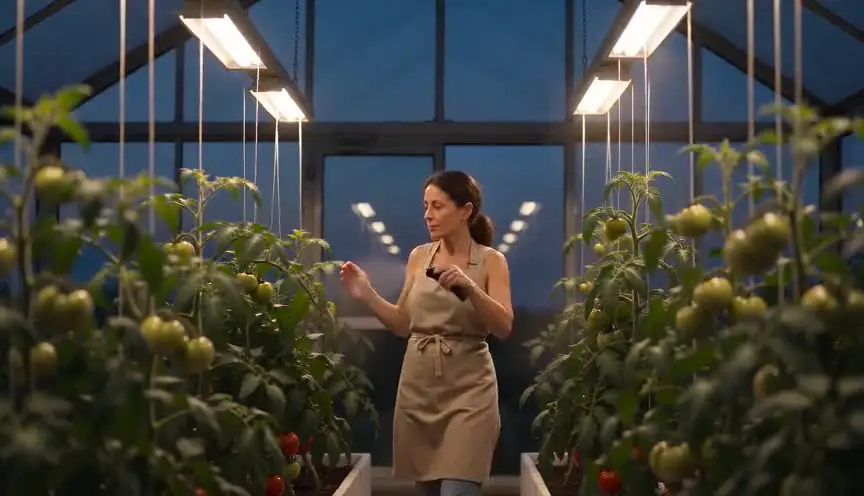
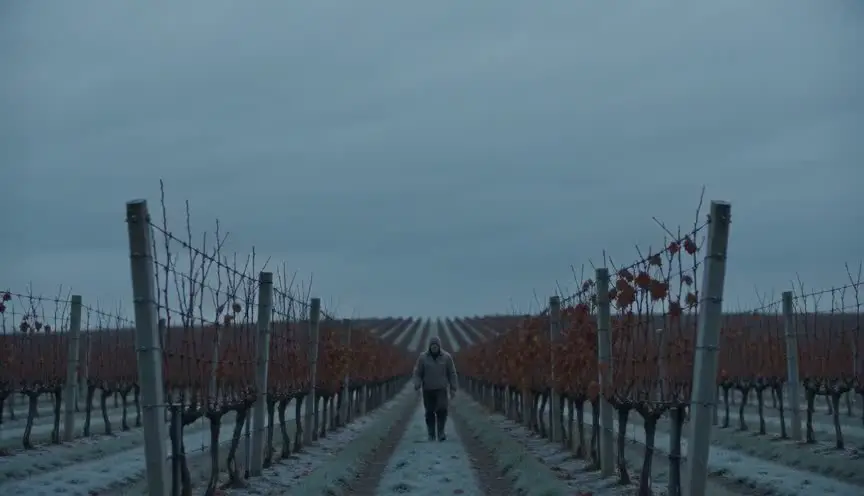
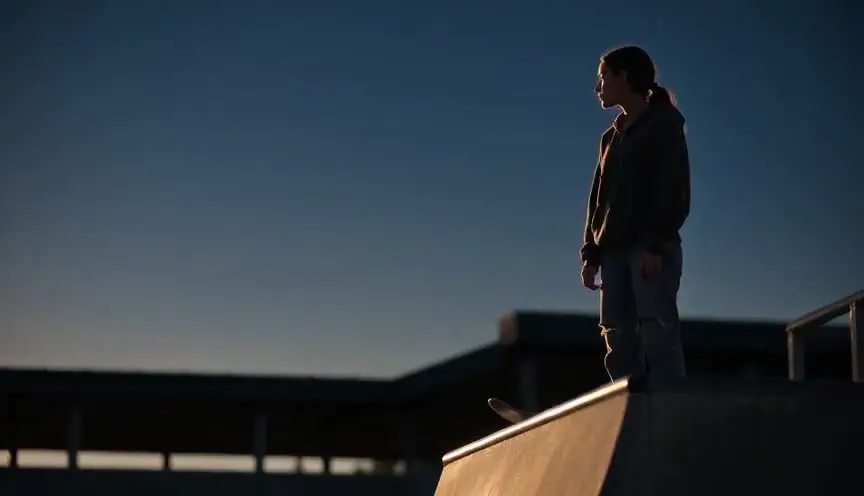
A moonlight gel is a blue filter placed on a light, usually from high and behind, to imitate moonlight at night. The audience accepts the blue glow as the moon and can read shapes, faces and fog in a night that still feels dark.
Also calledBlue gelCTB moonlight gelMoonlight blueNight blue gel
Color and film look
Why it works on screen
Real night on film is mostly black. The blue gel is the convention that lets a story happen in the dark: a child in the woods, a killer in the street, lovers in a garden, a boat on a black sea. It serves suspense, magic, romance and fear, depending on how hard and how high the light is. A hard blue backlight through haze feels eerie, a soft blue wash feels dreamy. A scene earns it when the darkness is part of the drama but the audience must still see what is moving in it. It is one of cinema's oldest agreements with the viewer: blue means night.
The shot list line
- Size
- Full shot
- Angle
- Eye level or slightly low
- Movement
- Slow follow or static
- Lens
- 35mm
- Duration
- 4 to 8 s
Rig a large source high and behind the action with half or full CTB, add haze so the beams read, and keep the fill very low so the night stays dark.
Screenplay
On the page
Lighting gels never go into a spec script. The writer can give the night its light: a full moon, moonlight through the trees, a silver path on the water, a figure caught in a pale glow. Those words tell the director and the gaffer that the scene has a visible night source. Do not write the color or the gel. If the moon is an actual story element, such as a full moon that reveals someone, give it its moment on the page.
EXT. COCOA FARM - NIGHT
A full moon over the canopy. Pods hang like lanterns in the silver light.
KWAME (11, flashlight with dead batteries) creeps between the trees, following the bleat of a lost goat.
The bleating stops.
In a clearing ahead, something moves, pale in the moonlight, taller than a goat.
Kwame freezes. He shakes the dead flashlight anyway.
KWAME
(barely a whisper)
Nana Ama? Is that you?
Storyboard
In the storyboard
Draw the scene mostly in dark blue or black, then add a pale blue rim along the top and back edges of the characters and objects, on the side of the moon. If there is haze, draw faint diagonal beams from the source. Mark the moon source with a symbol high in a corner, even if it is outside the frame. Under the panel, note the gel, the height of the source and the haze level.
Pairs well with
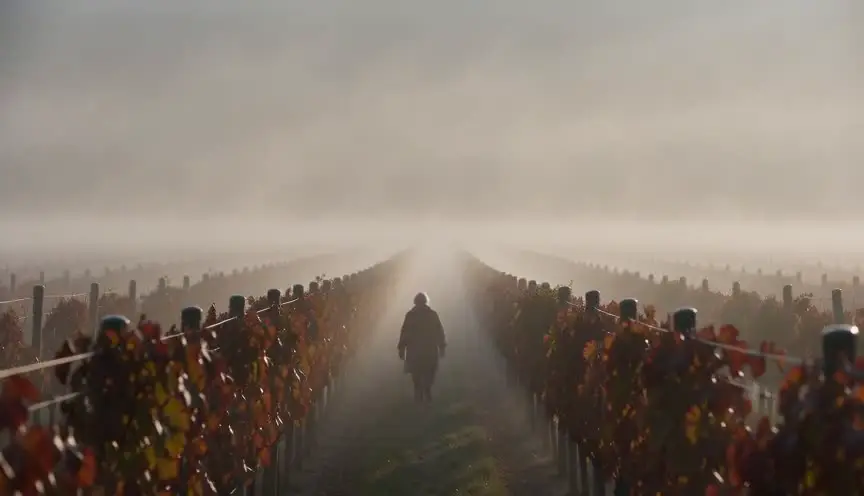
Haze catches the blue light and makes the beams visible, so the moonlight has shape and depth. Without it, a gelled backlight only draws edges on the actors.
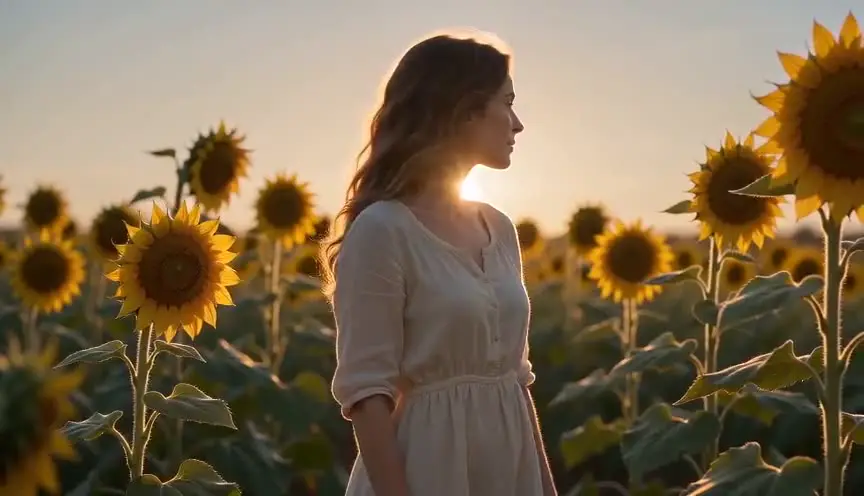
A blue rim along the head and shoulders is the typical moonlight signature. It separates the character from the dark background while leaving the face mostly in shadow.
Reference
Watch it in
Halloween (1978)
Dean Cundey backlit the night streets and the Myers house with blue-gelled light as a stylized moon, setting a look that horror films copied for decades.
The Fog (1980)
Cundey sends blue beams through thick mist on the coast at night, so the fog stays visible and the town glows with an eerie, cold light.
E.T. the Extra-Terrestrial (1982)
Allen Daviau lights the forest and suburban nights with cool blue backlight through haze, keeping the dark readable and full of wonder.
ScreenWeaver
Set it up in ScreenWeaver
Give the night its moon in your action lines, and ScreenWeaver breaks the screenplay down into shots automatically. Open each night exterior shot, set the framing, angle, movement and duration, and add a moonlight note with the direction of the source. Characters and locations carry from shot to shot, so the moon stays on the same side across the coverage, and the AI previsualization lets you judge how dark the scene can be.
Start writing for freeThe prompt behind this clip
This is the exact prompt that rendered the clip at the top of the page. Keep the description of the camera and the light, change the subject and the place.
Moonlight gel: static locked-off shot of a narrow Venetian canal at night, a stone footbridge and shuttered facades lit by a single hard light source drenched in deep blue CTB gel, simulating cold moonlight raking across the water from one side. A man in a dark coat walks slowly along the narrow walkway, his face catching a thin blue rim while the rest of him falls into deep shadow. The water's ripples carry faint blue highlights, one lit window glows warm amber in contrast, and the rest of the frame stays cool and low in contrast. Camera does not move. No text.
Common mistakes
- 01
Too much blue
A heavy saturated blue looks like a nightclub, not the moon. Start with half CTB and let the camera balance and the grade decide the final shade.
- 02
Moon from the front
Frontal blue light flattens the face and kills the night. Keep the source high and behind or to the side, so shadows stay deep.
- 03
Changing sides between shots
If the moon jumps from left to right in the reverse, the audience feels lost. Keep the source consistent across the coverage.