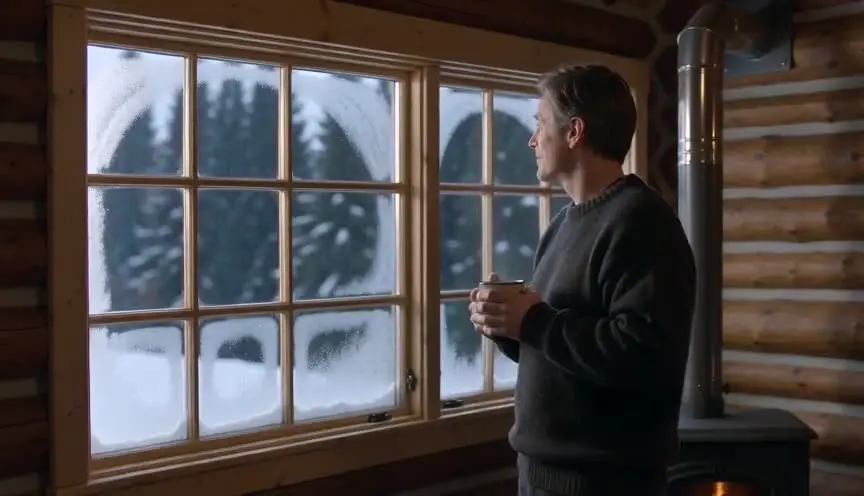
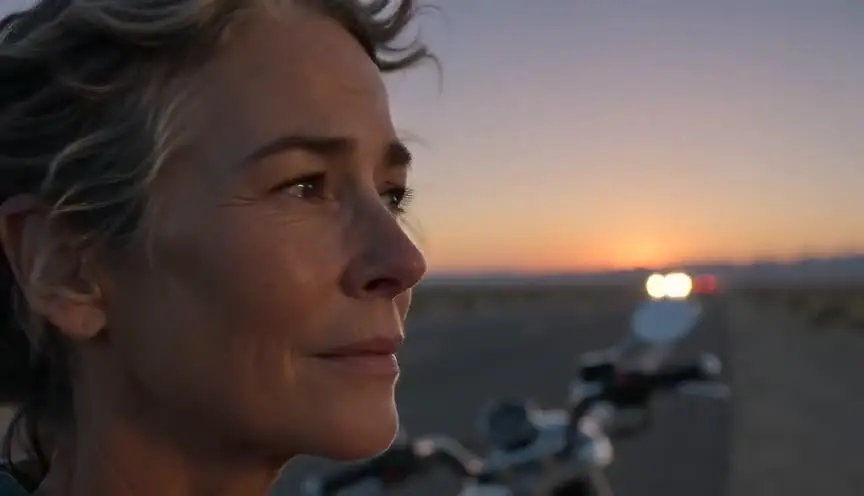
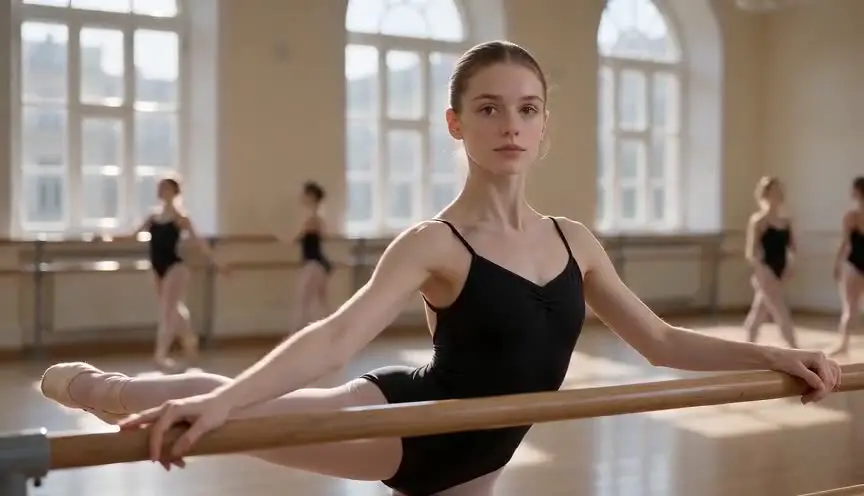
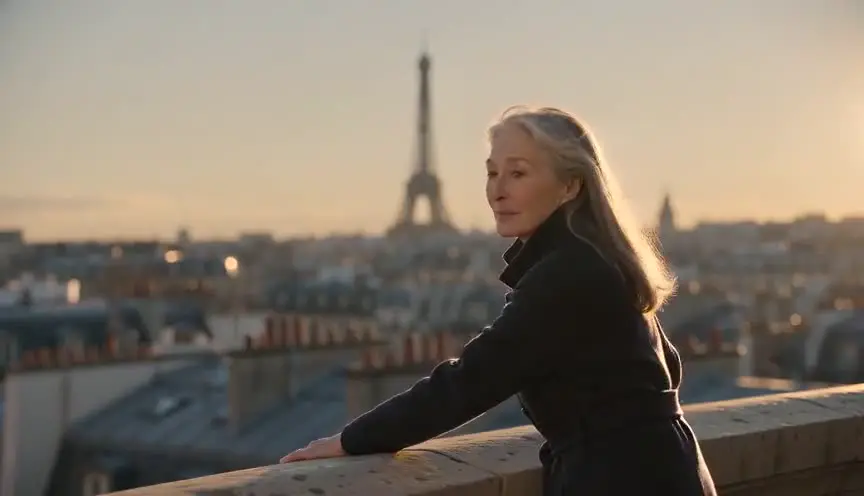
50mm lensThe world as an eye sees it
A 50mm lens renders perspective close to how we perceive a scene with our own eyes, without stretching or compressing space. Faces look natural, rooms keep their true proportions, and the audience watches calmly, as a witness rather than a participant.
Also calledNormal lensNifty fiftyStandard lens
Lenses and optics
Why it works on screen
The 50mm does not comment on a scene; it lets the actors and the situation speak. That neutrality makes it ideal for family drama, quiet conversations, period pieces and moments where honesty matters more than style. It serves tenderness, restraint, observation and dignity. When everything else in a film is wide and busy, a switch to a 50mm feels like a breath and a step back into reality. A scene earns it when the audience should look at people plainly, without being pushed into their space or held far away from it.
The shot list line
- Size
- Medium two-shot
- Angle
- Eye level or seated height
- Movement
- Static
- Lens
- 50mm prime
- Duration
- 6 to 12 s
Set the camera at the characters' eye height and let the performance play in a steady frame, with modest depth of field so the room stays present.
Screenplay
On the page
Do not write "50mm" in a screenplay. The page can prepare the lens by writing quietly: people seated together, a conversation without movement, attention to small gestures and silences. That calm writing suggests a neutral, observant camera. If the whole film uses a normal lens as a principle, state it in the director's notes or the look book. The actual focal length and camera height belong in the shot list.
INT. TEA HOUSE - ÜSKÜDAR - AFTERNOON
Low stools, a copper samovar, the Bosphorus grey through the window.
MEHMET (80s) and his wife NERIMAN (70s) sit side by side, as they have every Thursday for fifty years.
He stirs two sugars into her tea without asking. She lets him.
NERIMAN
The doctor called again.
MEHMET
Drink your tea first.
She does. Slowly.
Storyboard
In the storyboard
Draw the characters with natural proportions, no stretch or compression, and keep the background recognizable but less detailed. Mark the camera height with a small side diagram if the characters are seated or low. Add static and 50mm in the corner. If the scene holds long, write the duration clearly. For a sequence, place the 50mm panel after wider panels, so the change in perspective is visible on the board.
Pairs well with

A 50mm two-shot keeps two people in natural proportion and at equal weight. It suits long, honest conversations where neither character should dominate the frame.
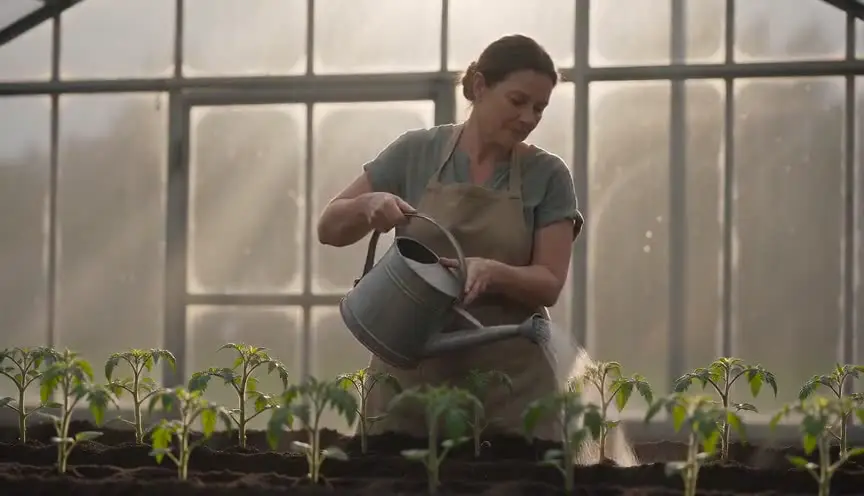
A normal lens on a static frame lets the audience watch without being guided. It suits scenes where behavior and silence carry the meaning.
Reference
Watch it in
Barry Lyndon (1975)
Kubrick famously used an adapted Zeiss 50mm f/0.7 to film interiors by candlelight alone, a lens valued for its natural field of view.
Tokyo Story (1953)
Ozu worked with a 50mm for his low, floor-level views of home life, so family conversations look calm, plain and undistorted.
ScreenWeaver
Set it up in ScreenWeaver
Write the conversation calmly, with small gestures and pauses, and ScreenWeaver breaks the scene down into shots automatically. Open the shot, set a medium two-shot at the characters' eye height, static, with a duration long enough to let the scene breathe, and note the 50mm lens. The characters and the location carry from shot to shot, so the room and the people stay consistent. The AI previsualization helps you judge whether the neutral perspective suits the moment.
Start writing for freeThe prompt behind this clip
This is the exact prompt that rendered the clip at the top of the page. Keep the description of the camera and the light, change the subject and the place.
50mm lens, eye-level medium shot inside a 1970s New York diner at night. A weary waitress in her forties wipes down a chrome counter, neon sign glow reflecting on the window behind her. The camera stays locked on a tripod, framing her from the waist up with natural, undistorted proportions matching human eye perspective: the coffee pots and stools behind her keep their true size and spacing, with a gentle, moderate falloff in the softly out-of-focus background. No text.
Common mistakes
- 01
Mistaking neutral for bland
A 50mm without careful staging, light and performance looks flat. The lens is neutral, so the scene itself must be rich enough to hold the frame.
- 02
Wrong camera height
A normal lens at standing height on seated actors changes the relationship. Match the camera to the characters' eye level for a truly neutral view.
- 03
Wide open by habit
Shooting every 50mm shot at the widest aperture blurs the room and turns it into a portrait look. Choose depth of field for the scene, not by reflex.