Interview framingTestimony the audience can trust
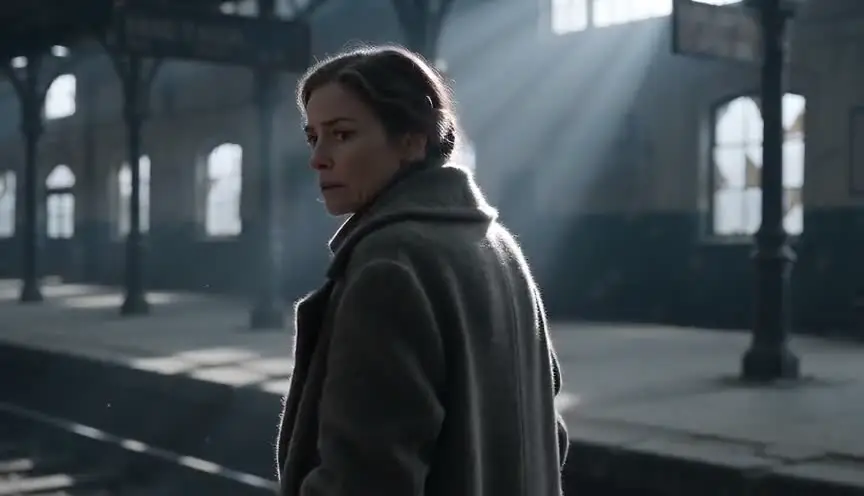
Interview framing places a seated subject on one third of the frame, looking just off the lens toward an unseen interviewer, with open space on the side of the gaze. It reads instantly as testimony, and the audience settles in to listen to someone telling their own story.
Also calledTalking head framingOff-axis interview shotTwo-thirds interview composition
Shot sizes
Why it works on screen
In a documentary, the setup is a contract: this person was there, and now they will tell you. In fiction, the same framing borrows that authority. Mockumentaries use it for the confessional aside, dramas use it for a police statement, a job interview, a therapy session or a witness recalled years later. It serves memory, confession, contradiction and dry comedy, since the talking head can say one thing while the footage shows another. A scene earns it when the story needs a character to speak about events rather than live them, and when the gap between their account and the truth matters.
The shot list line
- Size
- Medium close-up
- Angle
- Eye level, lens a few degrees off the subject's eyeline
- Movement
- Locked off on a tripod
- Lens
- 50mm to 85mm
- Duration
- 10 to 60 s per answer
Seat the interviewer right beside the lens at the subject's eye height, and keep the subject on the same third for every session with that person.
Screenplay
On the page
In a documentary script or a mockumentary, an interview is a scene type, so you can write it plainly: a heading for the interview location, the subject seated, and the testimony as dialogue. You do not need to specify the off-axis framing, it is the default. In a fiction film that shifts into interview mode, signal it once with the setting and a detail such as a microphone or an interviewer's voice, and leave the lens and the side of frame to the shot list.
INT. BACK OFFICE, FAMILY BAKERY, LYON - DAY (INTERVIEW)
Flour sacks stacked behind her. A lavalier clipped to her apron.
SOLÈNE MARCHAND (50s) sits on an upturned crate, hands folded, looking at someone just beside the camera.
INTERVIEWER (O.S.)
When did you know the recipe was gone?
Solène takes her time.
SOLÈNE
The morning my father stopped arguing with me.
Storyboard
In the storyboard
Draw the subject from mid-chest up on one vertical third, with the face turned slightly toward the empty two thirds. Add a small arrow from the eyes to a point just off frame, and label it "interviewer". Keep the background simple: one or two meaningful objects, softly drawn. In the corner, sketch the overhead layout with the subject, the camera and the interviewer seated beside the lens. Note the key light side, the lens and whether a second camera covers a tighter size.
Pairs well with
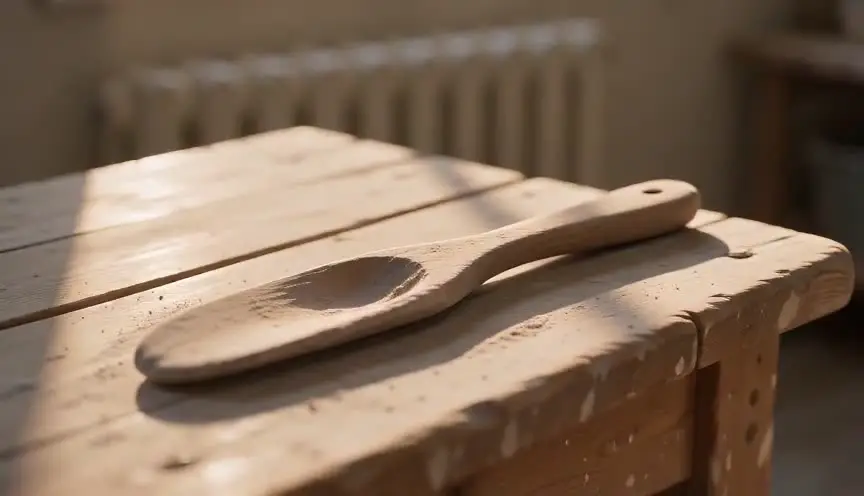
While the subject talks, cut away to the place, the photograph or the object they describe. The interview carries the voice and the cutaways carry the proof, or the contradiction, which keeps testimony from feeling static.
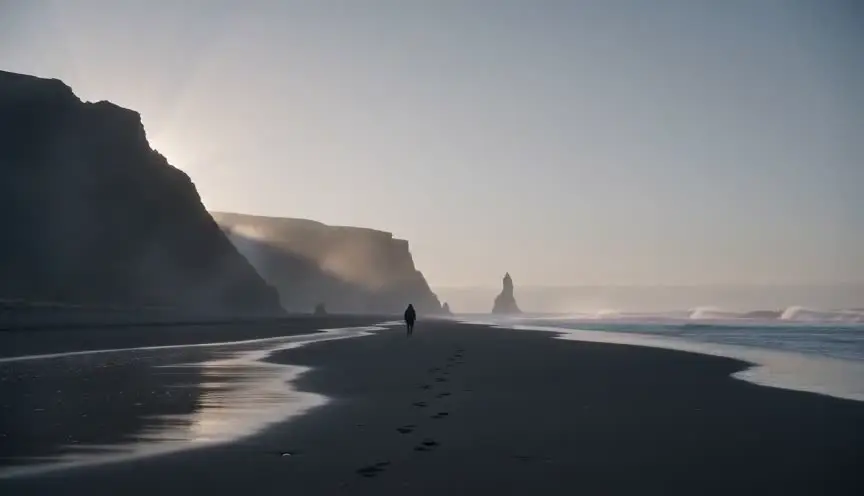
Open with a shot of the space where the interview happens, a workshop, a kitchen, an empty stadium. It tells the audience who this person is before they say a word, and gives the framing its context.
Reference
Watch it in
The Last Dance (2020)
The series keeps its subjects in a consistent off-axis setup, each one talking to an interviewer we never see, which ties the archive footage together.
Won't You Be My Neighbor? (2018)
Morgan Neville holds a steady, consistent frame on each talking head, so moving memories play out without the edit leaving the composition.
ScreenWeaver
Set it up in ScreenWeaver
Write the interview as a scene with the subject's testimony as dialogue, and ScreenWeaver breaks it down into shots automatically. Open each answer shot and set the framing to a medium close-up on one third, the angle at eye level just off the lens, the movement static and a duration that fits the answer. The subject and the location carry from shot to shot, so every return to the interview looks the same. The AI previsualization helps you balance interview shots against cutaways.
Start writing for freeThe prompt behind this clip
This is the exact prompt that rendered the clip at the top of the page. Keep the description of the camera and the light, change the subject and the place.
Interview framing inside a sunlit greenhouse, a middle-aged woman with short gray hair seated among rows of potted plants, positioned in the right third of the frame with open negative space to her left where she looks, addressing an unseen interviewer off camera rather than the lens. Eye-level medium close-up on an 85mm lens, soft window light from the left, greenery blurred behind her in shallow depth of field. Camera locked static, she speaks with small natural head tilts and hand gestures, no camera movement. No text.
Common mistakes
- 01
Subject looking at the lens
Direct address changes the contract: it becomes a speech to the viewer, not testimony to a person. Unless that is your intent, keep the interviewer's eyes right beside the lens and have the subject answer them.
- 02
Short side space
If the subject sits on the side of frame they look toward, the gaze bumps into the edge and the shot feels cramped. Give the open space to the direction of their eyes.
- 03
Inconsistent setups
Changing the side, the height or the size of one subject between sessions makes the edit jump. Photograph the setup and note distances, so a returning interview matches the earlier ones.