Motivated lightingEvery light has a reason
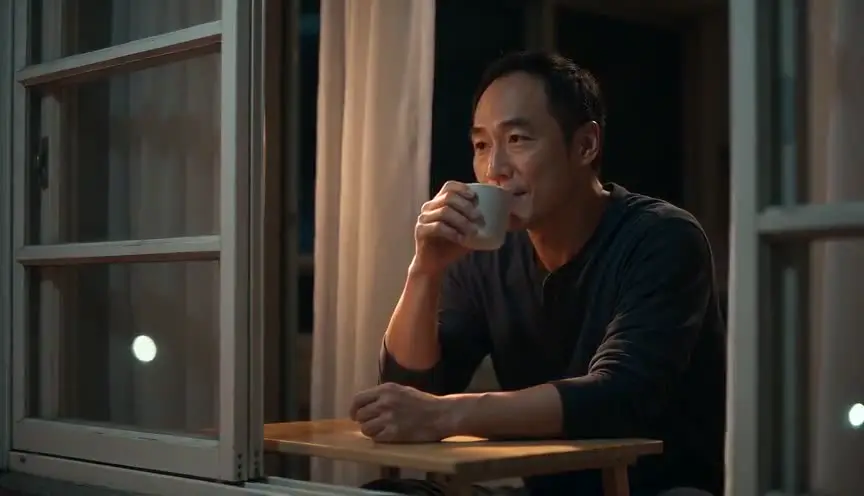
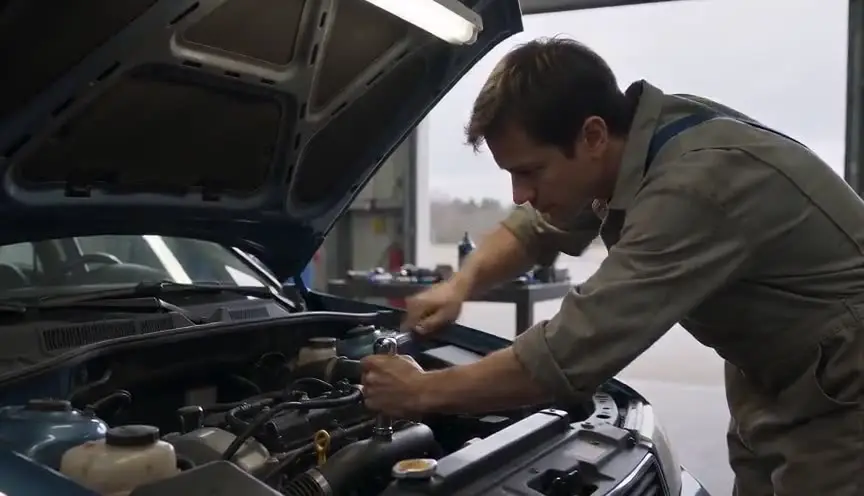
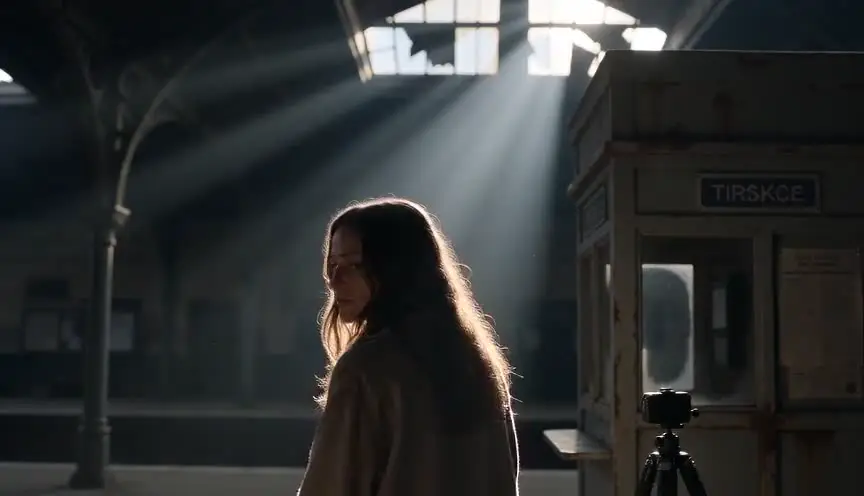
Motivated lighting means every light on the actors appears to come from a source in the story world: a lamp, a window, a screen, a fire, a passing car. The audience never notices the lighting, so they believe the room.
Also calledJustified lightingSource-motivated lighting
Lighting
Why it works on screen
It is less a mood than a principle, and it serves any story that wants the audience to forget the camera. The source becomes part of the drama: a lamp switched off ends a conversation, a car's headlights sweep across a hiding place, a phone screen is the only light on a face at 3 a.m. Grounded dramas, thrillers, period films and realist stories rely on it. A scene earns special attention to motivation when the light itself changes during the scene, because a character acts on the source and the image changes with them.
The shot list line
- Size
- Medium close-up
- Angle
- Eye level
- Movement
- Static, camera rides with the bus
- Lens
- 35mm to 50mm
- Duration
- 6 to 10 s
Key the face from the phone side with a small soft source at screen color; add moving streetlight passes from outside the windows, timed and repeatable.
Screenplay
On the page
Here the writer has real power. You cannot write lighting setups in a spec script, but you can write sources: the lamp, the window, the screen, the flare, the streetlight that flickers. Name them in the action lines when they matter, and let characters interact with them. Someone turning off the overhead light is action, not camera direction. The crew then motivates the key and fill from what you placed. Leave fixtures, ratios and gels to the shot list.
INT. NIGHT BUS - MANILA - 2 A.M.
The cabin lights are off. The only light comes from the city sliding past the windows and one phone screen.
MARICEL SANTOS (30s), nurse's uniform under a raincoat, reads a message over and over.
Each passing streetlamp crosses her face, then leaves it.
The old man beside her, LOLO BERT (80s), keeps his eyes closed.
MARICEL
He says he's sorry.
LOLO BERT
They always are, at two in the morning.
Storyboard
In the storyboard
Draw the visible source in the frame (the phone, the lamp, the window) and draw the light on the face coming from its direction. Add arrows from each source to the parts they light. For moving sources, sketch start and end positions with a curved arrow and a timing note. In the margin, list each source with its color and whether it is practical or supplemented off camera. Note any moment a character changes a source.
Pairs well with
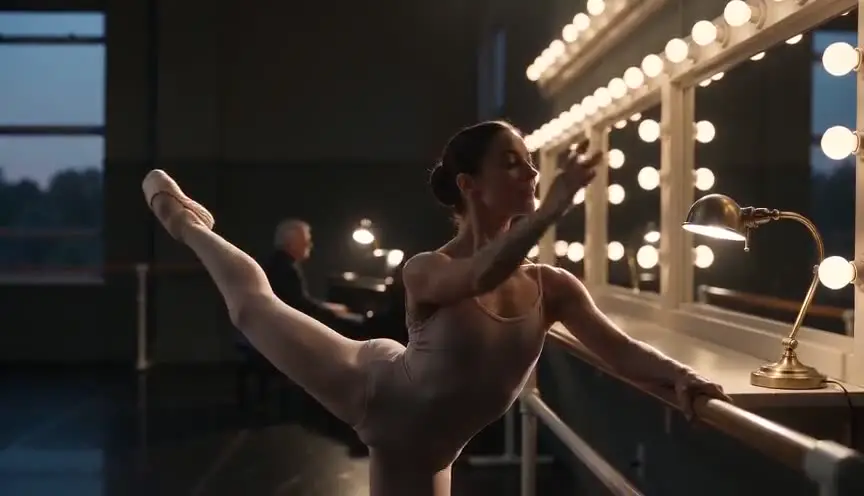
Show the practical first, the lamp or screen in the frame, and the motivated key that follows feels like part of the room rather than a studio light.
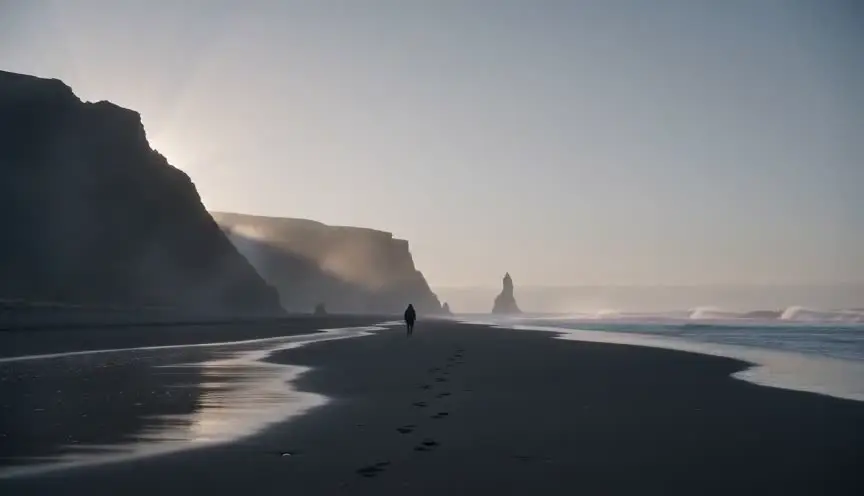
An establishing shot places windows, lamps and signs in the audience's mind. Every motivated light in the closer shots then has a source the viewer already knows.
Reference
Watch it in
The Godfather (1972)
Gordon Willis lights rooms as if the visible desk and ceiling lamps were the only sources, which leaves faces in deep, believable shadow.
Barry Lyndon (1975)
Real candles and very fast lenses let the flames on screen be the true source of the soft, warm light in the interiors.
ScreenWeaver
Set it up in ScreenWeaver
Name the light sources in your action lines, the lamp, the window, the screen, and ScreenWeaver breaks the scene down into shots automatically. Open each shot, set framing, angle, movement and duration, and write the motivating source in the shot notes. Because locations and references carry from shot to shot, the window stays on the same side and the lamp stays on the same table. Use the AI previsualization to check that the light direction matches across the coverage.
Start writing for freeThe prompt behind this clip
This is the exact prompt that rendered the clip at the top of the page. Keep the description of the camera and the light, change the subject and the place.
Motivated lighting: a static shot along a narrow Venetian canal at night, water reflecting warm amber light from a row of hanging lanterns on a stone bridge and cool blue light spilling from a tall arched window above a doorway. A gondolier in a dark jacket rows slowly through the frame, his face and the boat's wake lit only by these two visible sources, warm on one side, cool on the other, with soft falloff into shadow beyond their reach. The camera holds completely still, lanterns flicker faintly. No text.
Common mistakes
- 01
Wrong direction
If the window is on the left in the wide shot and the key comes from the right in the close-up, the audience feels something is off. Keep an overhead plan of sources for every scene.
- 02
Source too weak to explain
A tiny candle cannot light a whole face evenly from across a room. Match the quality and falloff of your key to what the source could really do.
- 03
Forgotten changes
When a character closes a curtain or switches off a lamp, the light must change in every following shot. Mark these moments in the script breakdown so continuity holds.