SilhouetteA shape against the light
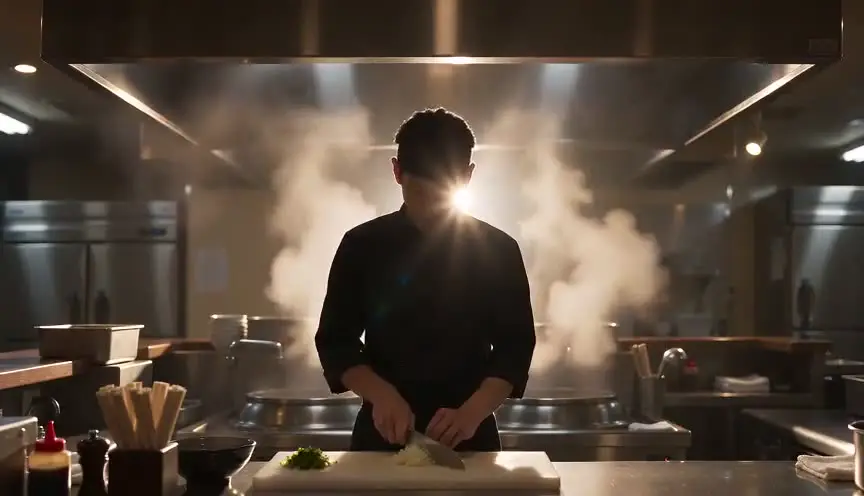
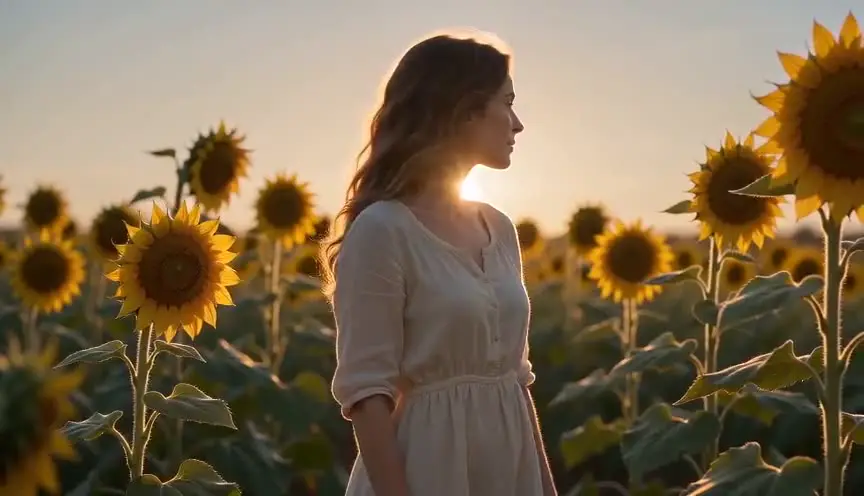
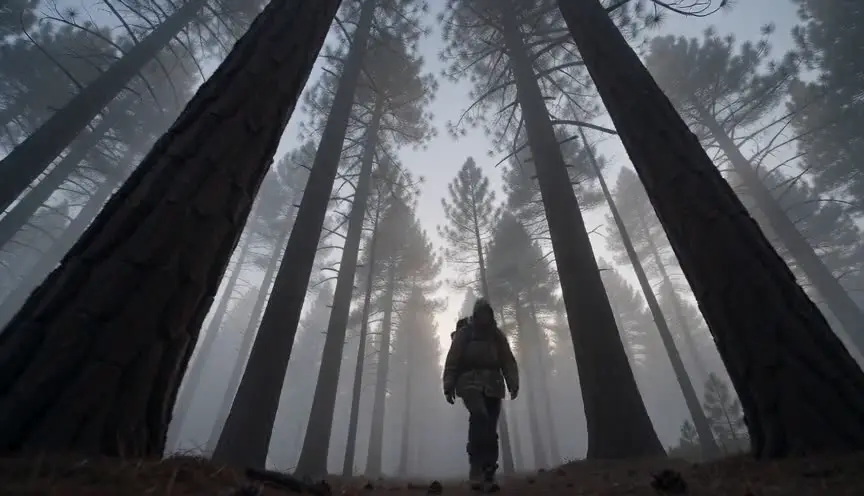
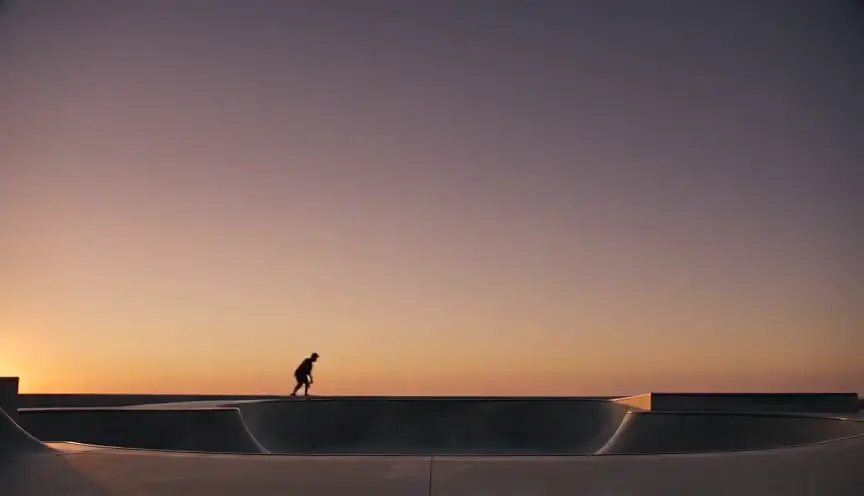
A silhouette puts a subject in front of a much brighter background and exposes for the background, so the subject becomes a solid dark shape with no inner detail. The audience reads posture and outline instead of a face, and the image turns into a symbol.
Also calledBacklit silhouetteShadow figure shot
Lighting
Why it works on screen
Use a silhouette when a character should become bigger than a person: a myth, a threat, an idea, a memory. Without a face, the figure stands for something. It serves arrivals and departures, the stranger in the doorway, the hero on the ridge, lovers against a sunset, a child walking away. It also protects: a silhouette can hide an identity or soften a violent moment. A scene earns it when the outline says everything, when the pose, the distance or the relationship between two shapes carries the emotion better than expressions could.
The shot list line
- Size
- Wide shot
- Angle
- Low angle
- Movement
- Static
- Lens
- 50mm to 135mm
- Duration
- 5 to 8 s
Expose for the sky and keep all light off the subject's front; frame so the outline reads clearly with no overlap against dark shapes.
Screenplay
On the page
You can suggest a silhouette in a spec script without naming it, because it is something the reader can see: a figure black against the sunrise, a shape in a lit doorway. That is description, not camera direction. Use it sparingly, once or twice in a script, for images that matter. Exposure, the brightness ratio and the lens belong in the shot list, along with the exact moment the sun or background light must be in position.
EXT. RIDGE ABOVE THE VALLEY - ATLAS MOUNTAINS - DAWN
The sky behind the ridge turns from gray to fire.
A small figure climbs into it: YASMINE (11), a shepherd's crook taller than she is.
Against the rising sun she is only a shape, the crook, the scarf, the stubborn tilt of her head.
Below, in the half-dark of the valley, her father OMAR (40s) watches her go.
OMAR
(to himself)
She walks like her mother.
Storyboard
In the storyboard
Fill the background with a bright gradient and draw the subject as a solid black shape with a clean, readable outline. Check that arms, tools and head stand free against the light, not merged. Mark the sun or light source behind the subject with a circle and rays. Write "silhouette, expose for sky" in the margin, plus the time of day. If a second shape shares the frame, note the distance between them.
Pairs well with
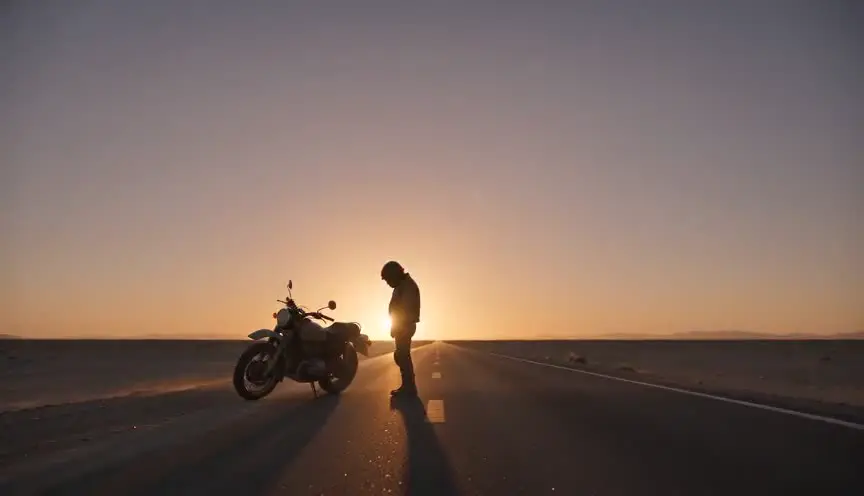
The low sun of golden hour sits right behind the horizon line, the ideal background for a silhouette. Its warm color turns a dark outline into a mythic, storybook image.

Cut from the faceless silhouette to someone watching it. The reaction gives the audience the emotion the dark shape cannot show, and tells them what the figure means.
Reference
Watch it in
E.T. the Extra-Terrestrial (1982)
The kids on bicycles fly across a full moon as black shapes, and a getaway becomes an image everyone remembers.
The Lion King (1994)
Pride Rock often stands as a dark outline against sunrise or sunset, giving the kingdom the weight of a legend.
ScreenWeaver
Set it up in ScreenWeaver
Describe the figure against the light in your action line, and ScreenWeaver breaks the scene into shots automatically. Open the shot, set a wide framing, a low angle, a static movement and a duration long enough to hold the image. Note the silhouette and the time of day on the shot. Characters and the location carry from shot to shot, so the silhouette and the close-ups around it stay consistent, and the AI previsualization lets you check that the outline reads.
Start writing for freeThe prompt behind this clip
This is the exact prompt that rendered the clip at the top of the page. Keep the description of the camera and the light, change the subject and the place.
Silhouette: static locked-off shot inside a glass greenhouse at dusk, a middle-aged woman standing among rows of tall potted plants, her entire body rendered as a solid black shape against a bright orange sky glowing through the glass panels behind her. The camera holds completely still for four seconds while she slowly raises a watering can, her outline crisp and dark with no visible facial detail or clothing texture, only the shape of her arms and the can readable against the light. Warm backlight streams through the glass panes, silhouetting the surrounding leaves into soft dark shapes as well. No text.
Common mistakes
- 01
Merged outline
If arms touch the body or the figure overlaps a dark tree, the shape becomes a blob. Pose the subject in clear profile with limbs separated from the torso.
- 02
Fill on the subject
Any light on the front of the subject turns the silhouette into a dim, muddy figure. Kill fill and reflections, and expose only for the background.
- 03
Background too weak
A silhouette needs a big difference in brightness. A gray sky or a dim wall will not do. Wait for the sun, or light the background hard and keep the subject dark.