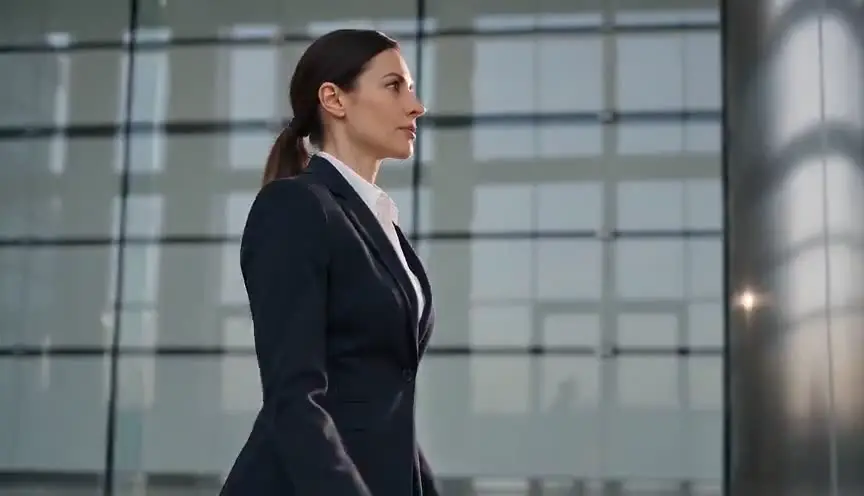
Handheld cameraPutting the audience in the room
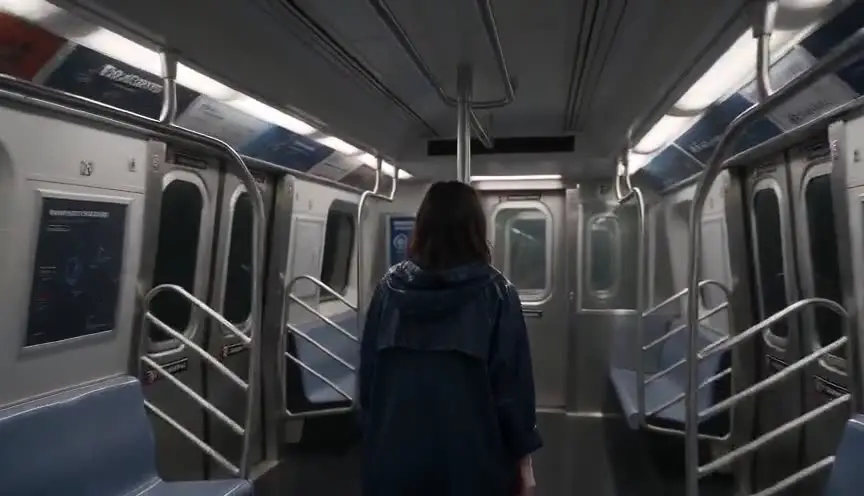
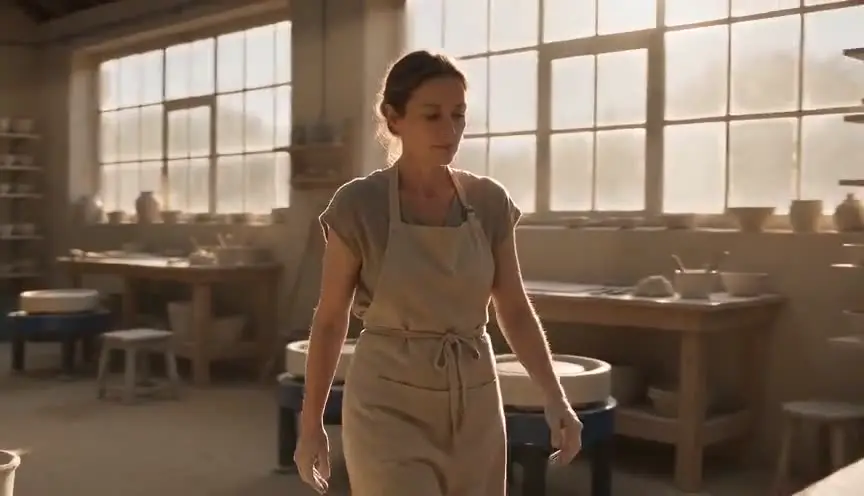
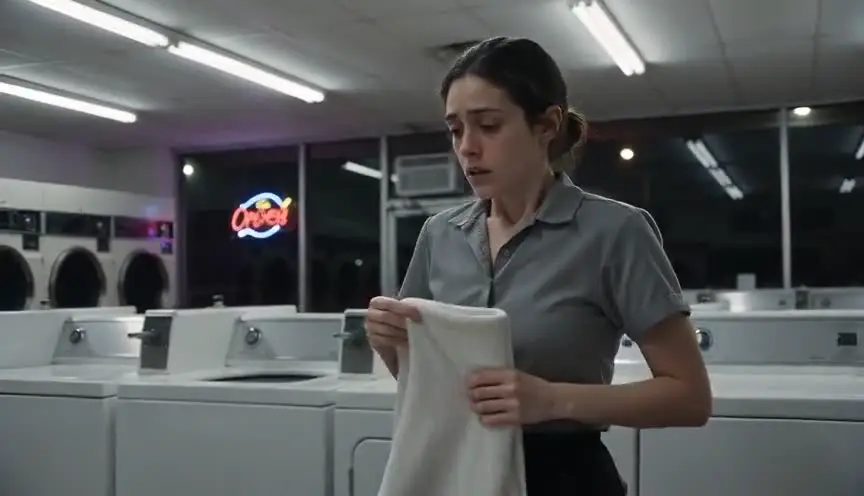
A handheld shot is filmed with the camera on the operator's shoulder or in their hands, so every breath and step leaves a trace of movement in the frame. The audience feels a human presence behind the lens, close to the action and not quite in control.
Also calledHandheld shotShaky camHandheld cinematography
Camera movement
Why it works on screen
Handheld tells the audience that events are happening now and could go anywhere. In chaos, such as a battle, a riot, a flood or an emergency, it throws them into the confusion. In quiet scenes, a gentle handheld frame breathes with the actors and makes intimacy feel unstaged. It serves urgency, danger, documentary truth, panic and raw emotion. A scene earns it when stability would feel false: when the characters are off balance, when nobody knows what comes next, or when the film wants to feel caught rather than composed.
The shot list line
- Size
- Medium or close-up
- Angle
- Eye level, moving with the operator
- Movement
- Handheld, shoulder-mounted or held by hand
- Lens
- 24mm to 35mm
- Duration
- Varies, often 5 to 30 s
Agree with the operator on how much shake the scene needs, and keep the lens wide enough that the movement stays readable rather than nauseating.
Screenplay
On the page
A spec script should not say "handheld". The feeling can live in the writing: fragmented action lines, overlapping sounds, characters moving faster than the reader can track. That chaos on the page invites a loose camera. If the whole film is handheld, it is a style choice for the director, not for each scene. When you direct, note in the shot list which scenes go handheld and how rough, since the contrast with steady scenes matters.
EXT. FLOODED STREET, VELACHERY, CHENNAI - NIGHT
Waist-deep brown water. Rain like gravel on tin roofs.
KAVYA RAMAN (28, nurse's ID still clipped to her kurta) wades toward a parked bus with a rope over her shoulder.
On the bus roof, six schoolchildren and a driver, screaming over each other.
A fridge floats past and slams into her. She goes under.
She comes up, spitting, still holding the rope.
KAVYA
Throw me the small one first!
Storyboard
In the storyboard
Draw the panel with a slightly tilted or loose frame line to show it is not locked. Add a small wavy line in the corner labeled HANDHELD, with a note on intensity: gentle, active or chaotic. Draw arrows for the actors' movement and for where the camera should follow or react. Mark any moment where the operator must whip to a new subject or stumble on purpose.
Pairs well with

Cutting from calm, locked shots to handheld marks the moment a scene falls apart. The contrast makes the chaos hit harder than if the whole scene were shaky.

A handheld long take keeps the audience trapped in real time without the relief of a cut. It works for battles, arguments and escapes where continuity itself creates tension.
Reference
Watch it in
Saving Private Ryan (1998)
On Omaha Beach, the shaking camera stumbles through surf and gunfire with the soldiers, giving no safe viewpoint from which to watch.
The Blair Witch Project (1999)
Every image is shot by the characters themselves, and the wobbly, amateur framing makes the woods feel more frightening than any monster shown.
Children of Men (2006)
The camera stays in the hands of an operator who moves with the characters through gunfire, so the violence feels close enough to touch.
ScreenWeaver
Set it up in ScreenWeaver
Write the chaos or intimacy in your screenplay, and ScreenWeaver breaks the scene down into shots automatically. Open each shot, set the framing and the angle, and choose handheld as the movement, with a duration that suits the action. Characters and the location carry from shot to shot, so faces and places stay consistent even as the frame moves. Use the AI previsualization to judge how handheld shots cut against the steadier shots around them.
Start writing for freeThe prompt behind this clip
This is the exact prompt that rendered the clip at the top of the page. Keep the description of the camera and the light, change the subject and the place.
Handheld camera follows a woman in her thirties walking briskly between rows of autumn vines heavy with dark grapes, the frame bouncing slightly with each of her footsteps and drifting a little side to side as the operator keeps pace beside her. Shot on a 35mm lens in warm late afternoon light, the horizon tilts and levels naturally, vine leaves blur softly at the edges of the frame, and her face stays roughly centered though never perfectly still, the small handheld sway giving the shot a sense of urgency and closeness. No text.
Common mistakes
- 01
Shake as a default
Handheld everywhere removes its power. If every scene wobbles, the chaotic ones feel no different. Choose where the camera should be steady and where it should lose control.
- 02
Too much shake on a long lens
On a telephoto lens, small hand movements become large jumps, and the audience feels sick. Keep handheld on wider lenses, or stabilize long shots.
- 03
Motion without reason
Random shaking looks like bad operating. The camera should react to the action: flinch at a noise, search for a face, follow a runner. Motivated movement reads as presence.