DreamcoreFamiliar places that feel wrong
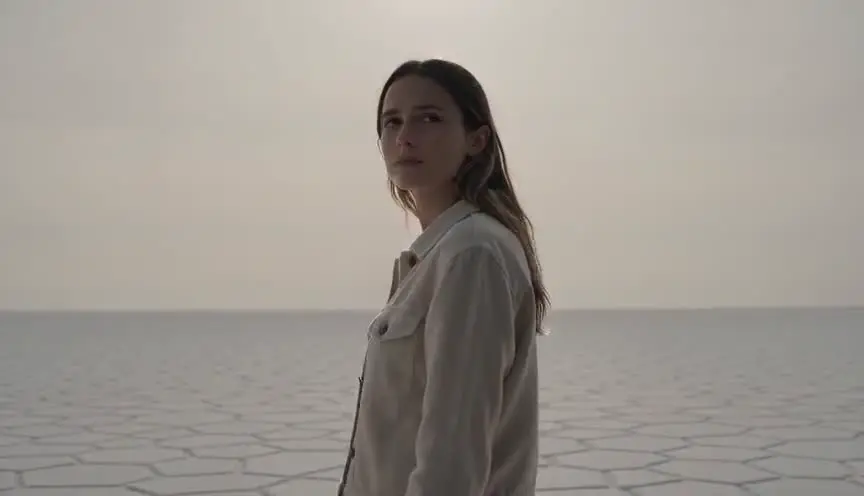
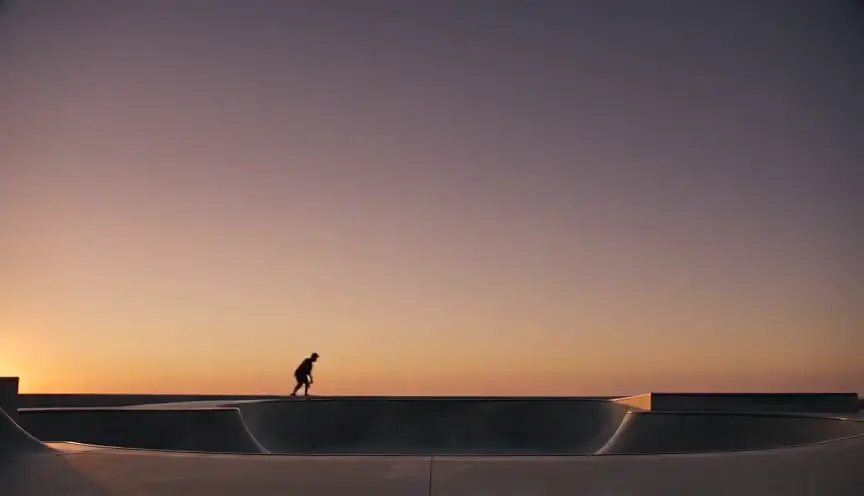
Dreamcore is a look built from soft, washed-out light, empty liminal spaces and familiar places that behave with dream logic. The audience feels comforted and uneasy at once, as if remembering something that never quite happened.
Also calledLiminal dreamcoreDream logic lookWeirdcore-adjacent aesthetic
Genre looks
Why it works on screen
Dreamcore works on the border between memory and dream. A childhood school with no one in it, a hallway that repeats, a sky too bright for the hour. It serves nostalgia, dissociation, longing, childhood fear and the fragility of memory. A story earns this look when a character's inner world takes over: a memory being erased, a coma, grief replaying the past, a mind escaping the present. The unease comes from details slightly off, a door in the wrong place, a sound from another room. The comfort comes from how familiar everything still looks.
The shot list line
- Size
- Wide shots of empty spaces, medium on the character
- Angle
- Eye level or slightly high, childlike perspective when relevant
- Movement
- Static or slow drift
- Lens
- Wide, 24mm to 35mm, with diffusion
- Duration
- 5 to 12 s
Overexpose slightly, soften the image with diffusion, favor pastel tones and keep spaces empty and symmetrical.
Screenplay
On the page
Write the dream logic, not the look. Describe familiar places that behave strangely, small impossibilities presented calmly: a pool with no water, a clock with no hands, a mother's voice from an empty room. Characters should often accept the strangeness. Keep grading, overexposure and lens diffusion out of the script. The soft light and liminal framing are production choices, defined in the shot list and the look references.
INT. MUNICIPAL SWIMMING POOL - NO TIME OF DAY
Fluorescent tubes hum over a pool with no water in it. The tiles are sky blue and perfectly dry.
OLIVIA HARTLEY (34, still in her office clothes) stands at the shallow end holding a child's inflatable armband.
From the deep end, a lifeguard's whistle. Nobody is there.
She climbs down the ladder, one rung, then another. The pool keeps getting deeper.
OLIVIA
I already learned this.
Storyboard
In the storyboard
Draw empty, familiar spaces: corridors, pools, playgrounds, bedrooms, with one element subtly wrong. Keep lines soft and the frame bright, leaving highlights blown to white. Label the pastel palette and the diffusion. Place a single small figure. Mark slow drifts with gentle arrows. Under each panel, write the wrong detail and the sound that goes with it.
Pairs well with

Slight overexposure washes the frame with light, softening edges and colors. It gives spaces the bleached, half-remembered quality that defines the look.
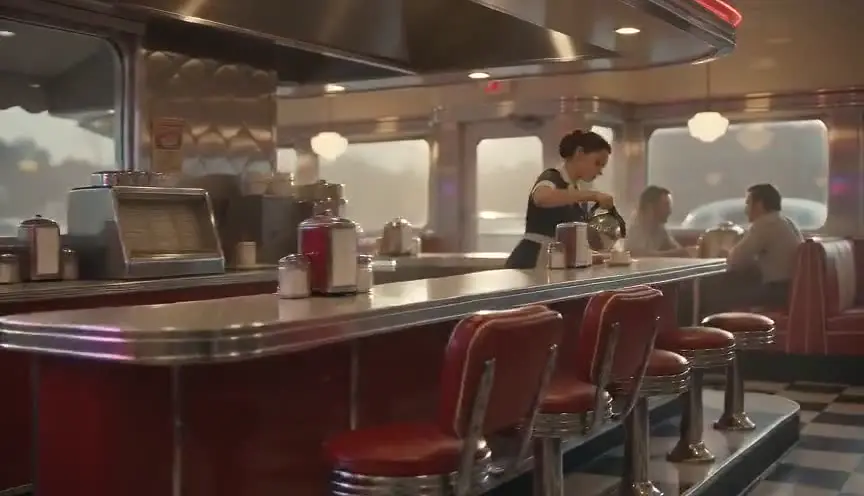
A camera that drifts without a clear operator feels like a dreamer's point of view. It adds a weightless, uncanny calm to the empty spaces.
Reference
Watch it in
Eternal Sunshine of the Spotless Mind (2004)
Memory scenes use soft pastel light and rooms that dissolve or loop, so everyday places feel dreamlike and partly erased.
Picnic at Hanging Rock (1975)
Diffused light, filmy whites and slowed rhythms make the school and the Australian landscape feel like a recalled dream with menace inside it.
ScreenWeaver
Set it up in ScreenWeaver
Write the familiar place and its small impossibility in your screenplay, and ScreenWeaver breaks the scene down into shots automatically. Open each shot and set wide or medium framings, eye-level or slightly high angles, static or drifting movements and long durations. Note diffusion, pastel tones and overexposure in the shot descriptions. Characters, locations and references carry from shot to shot, and the AI previsualization helps you judge how strange the space can get before it turns into horror.
Start writing for freeThe prompt behind this clip
This is the exact prompt that rendered the clip at the top of the page. Keep the description of the camera and the light, change the subject and the place.
Dreamcore: a static wide shot of a Parisian rooftop terrace at dawn, pale pastel sky in soft pink and lavender, thin haze diffusing the light so shadows barely exist. A lone adult woman in a plain beige coat stands motionless near a row of identical folding chairs, her back to camera. The chimneys and zinc roofs behind her repeat in soft, slightly muted color, the air faintly hazy as if seen through gauze. The camera holds perfectly still for the full four seconds, only the haze drifting slowly, giving the ordinary rooftop an uncanny, half-remembered stillness. No text.
Common mistakes
- 01
Too scary too soon
Dreamcore lives between comfort and unease. Jump scares or monsters push it into horror. Keep the strangeness gentle and let the audience feel it slowly.
- 02
Random weirdness
Strange images without emotional link feel arbitrary. Each impossibility should connect to a memory, a fear or a desire of the character.
- 03
Crowded spaces
Liminal places need emptiness. Extras and busy set dressing kill the uncanny calm. Clear the frame and let absence speak.