Available lightShoot the light that is already there
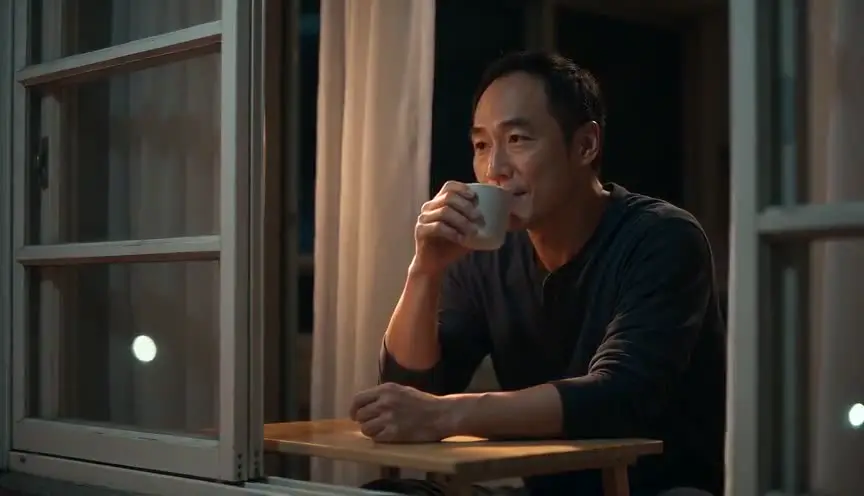
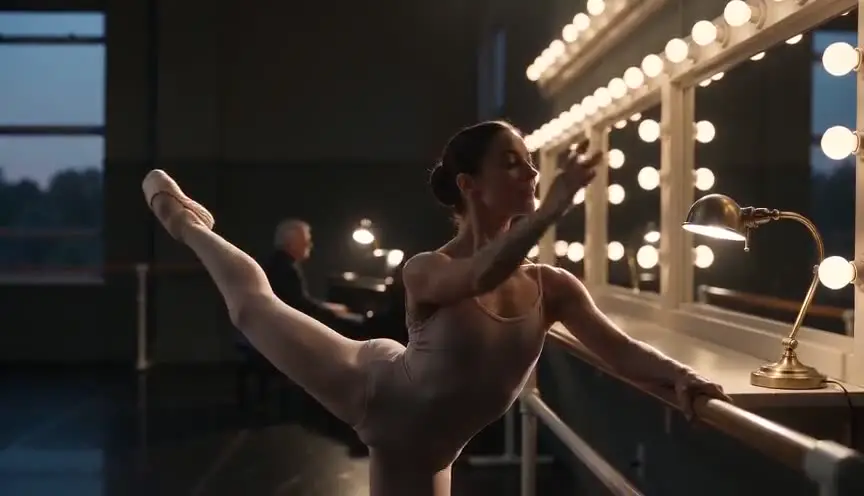
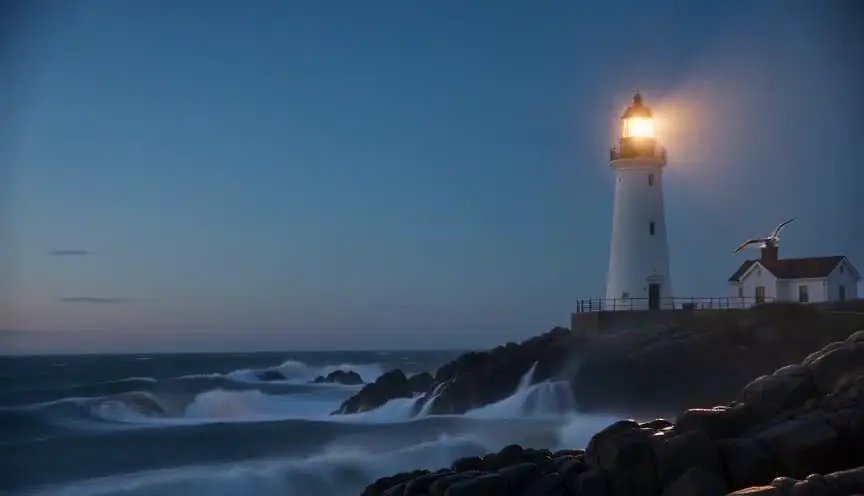
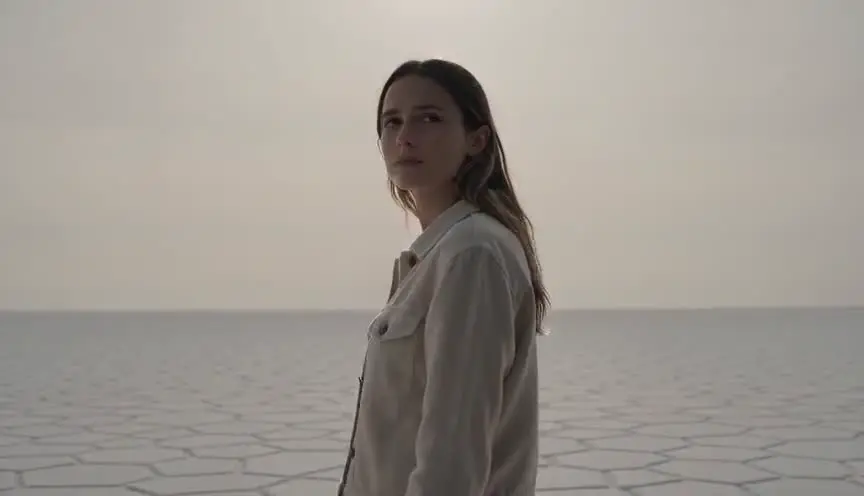
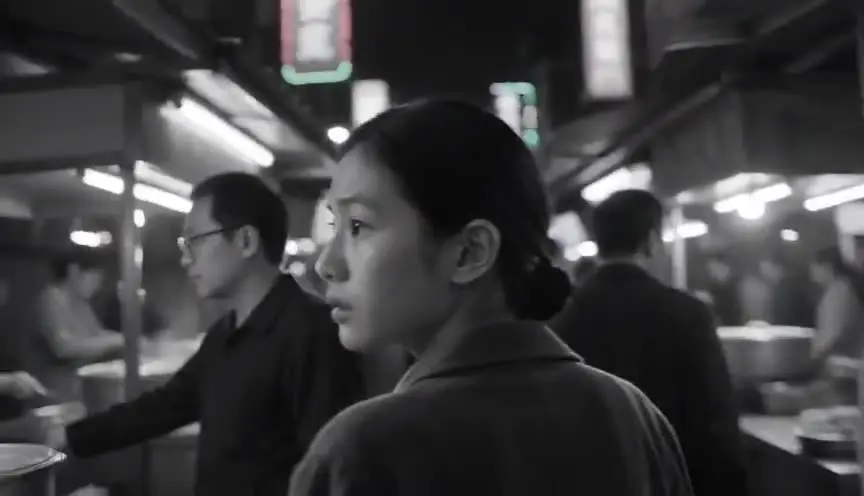
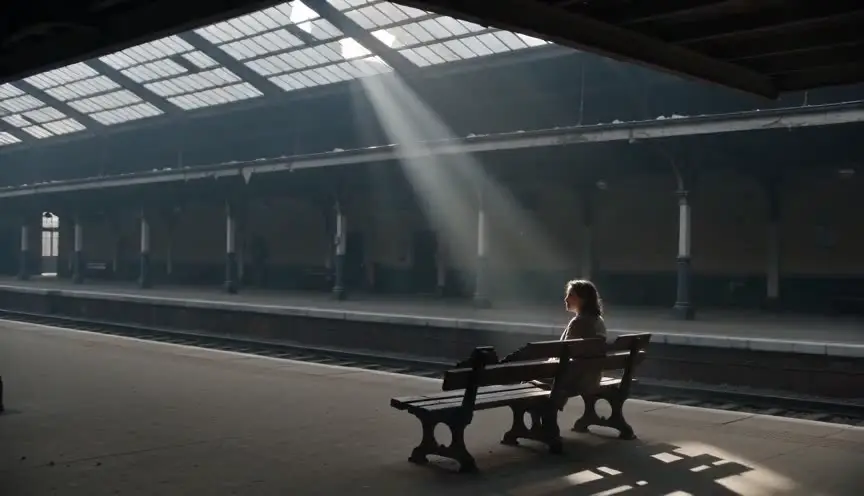
Available light means shooting with the light that exists in the location, sunlight, skylight, street lamps, candles, shop fronts, with few or no film lamps added. The audience feels the texture of a real place at a real hour.
Also calledNatural lightFound lightExisting light
Lighting
Why it works on screen
Choose it when truth matters more than control: a documentary-style drama, a story in a real neighborhood, a scene tied to a precise hour of the day. The light is not perfect, and that is its power. Faces go a little dark, windows burn out, clouds pass, and the audience believes it. It serves realism, immersion, nature, and stories about work and ordinary life. A scene earns it when the place and the time of day carry emotion, and when the actors need freedom to move without marks and stands around them.
The shot list line
- Size
- Medium shot
- Angle
- Eye level
- Movement
- Handheld, follows the action
- Lens
- 35mm on a sensitive camera
- Duration
- 6 to 12 s
Block the actors so the sky or the brightest source falls on their faces, expose for skin, and plan the scene inside the right window of time.
Screenplay
On the page
The screenplay does not choose available light, but it can make it possible. Set scenes in places with strong natural sources, at meaningful hours: dawn in a market, noon in a courtyard, dusk at a bus stop. Write the time of day in the scene heading with care, since it drives the whole schedule. Whether to add lamps, reflectors or nothing at all is a production choice for the director and the cinematographer, recorded in the shot list and the call sheet.
EXT. FISH MARKET - DAKAR - DAWN
The first boats are in. Gray light over the sea, the market lit by the sky and a few bare bulbs under the tarps.
AWA DIOP (50s) haggles with a young fisherman, IBOU (20), over a basket of thiof.
She lifts one fish to the sky to see its eye. The light catches the scales.
Around them, a hundred voices, gulls, engines.
AWA
This one was swimming yesterday. Not this morning.
Storyboard
In the storyboard
Draw the scene with the real sources marked: the sun or sky direction as a large arrow, lamps or windows as circles. Note the time of day and the window in minutes when the light is right. Show the actors' positions relative to the light, and add a small compass or sun path in the corner. Write "available light, no units" or list the only additions, such as a bounce card or a negative fill flag.
Pairs well with
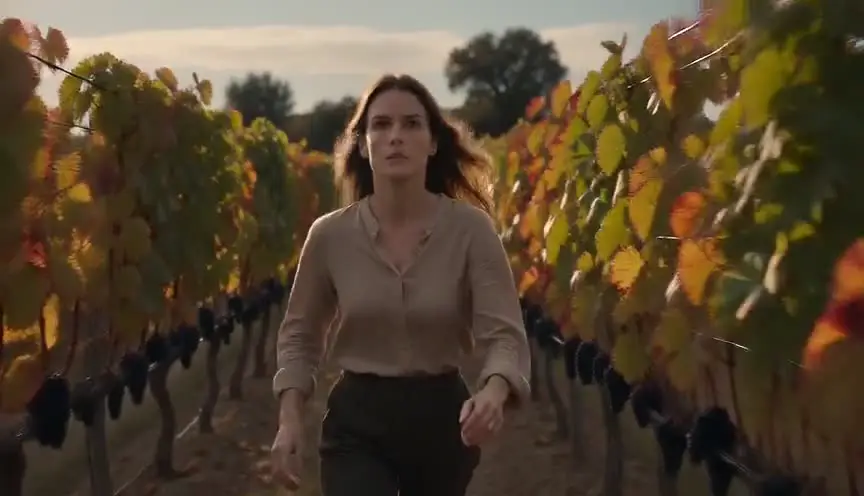
Handheld camera and available light share a logic: no stands, no marks, freedom to follow people. Together they give scenes a documentary energy and let actors move where the light is best.
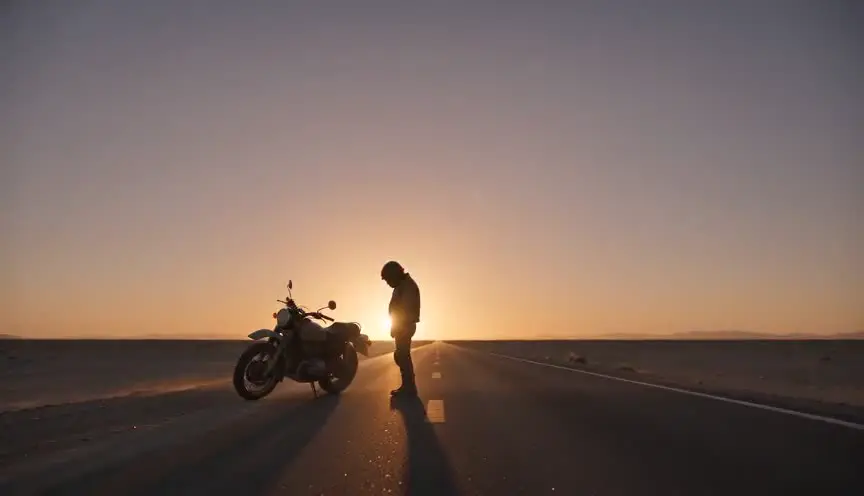
Golden hour is the most prized available light, but it is short. Plan the key shots for that window and shoot the rest of the scene in the flatter light around it.
Reference
Watch it in
Barry Lyndon (1975)
The candlelit interiors used adapted lenses fast enough to expose on the flames alone, with no film lamps added.
Days of Heaven (1978)
The farm scenes were shot in the short glow after sunset, letting the last natural light give the prairie its soft warmth.
The Revenant (2015)
The wilderness was filmed in natural daylight, often in brief overcast or low-sun windows, rather than with conventional film lighting.
ScreenWeaver
Set it up in ScreenWeaver
Write clear scene headings with the time of day, and ScreenWeaver breaks the screenplay down into shots automatically. Open each shot and set framing, angle, movement and duration, then note the real light source and the time window on it. Locations and characters carry from shot to shot, so you can group the shots that need the same hour. The AI previsualization helps you test blocking against the direction of the light before you plan the schedule.
Start writing for freeThe prompt behind this clip
This is the exact prompt that rendered the clip at the top of the page. Keep the description of the camera and the light, change the subject and the place.
Available light, handheld medium shot inside a car repair garage at midday, the only illumination coming from two overhead fluorescent tube fixtures and a wide open bay door letting in flat gray daylight from outside. A mechanic in stained overalls leans over an engine bay, light falling unevenly across his face and hands, shadows soft under the fixtures and harsher near the door threshold. Camera stays mostly static with a slight handheld sway, no added lighting units, no rim light, colors slightly cool and desaturated like real shop light. No text.
Common mistakes
- 01
Racing the sun
Available light changes fast, especially near dawn and dusk. A long scene shot over two hours will not match. Schedule the key shots first and keep the rest simple.
- 02
Faces in the dark
Natural light does not care about your actors. Turn them toward the sky or a window, or use a simple bounce, so the eyes stay readable.
- 03
Ignoring the weather
A scene planned for sun and shot under clouds changes mood completely. Build a weather backup into the schedule and decide in advance which look the story can accept.