Film grainTexture the audience can feel
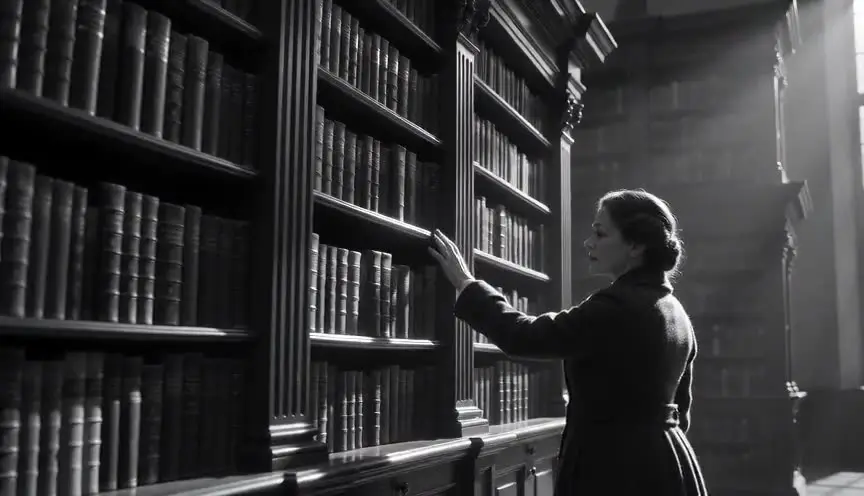
Film grain is the fine, shifting texture of tiny particles that makes up an image on film, visible as a flicker across the frame. The audience feels it before they notice it: grain makes a picture feel physical, raw or intimate, and tells them how close to reality they are.
Also calledGrainFilm textureCelluloid grain
Optical effects
Why it works on screen
Use it when the texture of the image should match the texture of the story. Heavy grain suits war, crime, poverty, addiction and documentary realism, where the world is rough and nothing is polished. Fine grain gives warmth and a gentle nostalgia to memory, family stories and period pieces. A change in grain inside a film can mark a flashback, a home movie or a different point of view. It serves grit, intimacy, age and truthfulness. A project earns it when the look is a deliberate choice for the whole story, not a coat of vintage paint added at the end.
The shot list line
- Size
- Medium shot or medium close-up
- Angle
- Eye level
- Movement
- Handheld or static
- Lens
- 35mm, or 16mm format for heavier grain
- Duration
- 4 to 8 s
Choose the format and stock, or the grain emulation, before the shoot, and expose consistently so the grain stays the same across the scene.
Screenplay
On the page
Film grain is a photographic decision, so leave it out of a spec script. If a sequence should look different, a home video, an old newsreel, a memory, say what the audience sees in story terms: grainy footage from a family camera, an old broadcast. That is useful information. The format, stock, grain size and whether grain comes from film or post belong in the director's look book and the camera notes.
INT. BOXING GYM, GLASGOW - EARLY MORNING
Condensation runs down the windows. One strip light works.
FIONA MCRAE (38, taped knuckles, a scar through one eyebrow) works the heavy bag alone.
Every punch lands a little slower than the last.
Her coach, DOUGIE (70s), watches from the ring apron with a cold cup of tea.
DOUGIE
Again. Like you mean it this time.
Storyboard
In the storyboard
Storyboards rarely show grain directly. Add a stippled texture over the panel, or a clear note in the corner such as heavy 16mm grain or fine 35mm grain. If different sequences use different textures, color-code the panel borders so the change is visible at a glance. Note which scenes switch texture, for a flashback or a found recording, and write the reason next to the first panel of each.
Pairs well with
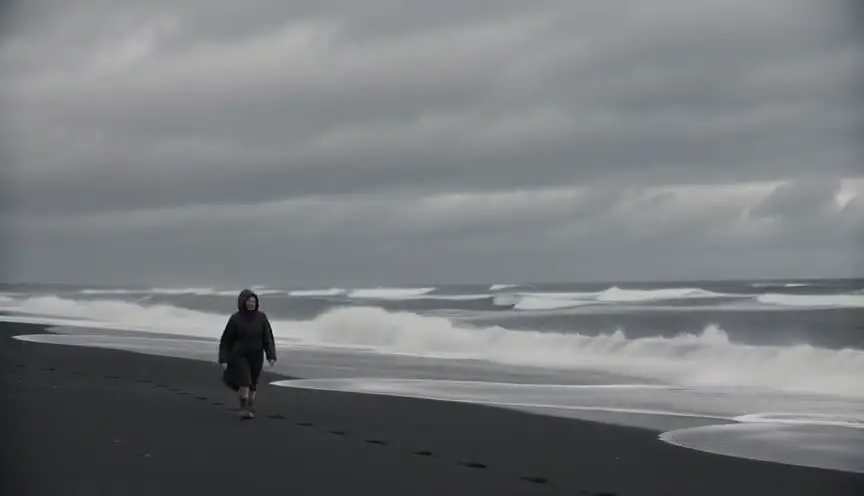
Bleach bypass raises contrast and mutes color, and it makes grain more visible. Together they give a harsh, metallic look that suits war, crime and bleak survival stories.

Handheld camera and visible grain together feel close to documentary. The audience senses someone was physically there, which suits intimate dramas and raw action.
Reference
Watch it in
Saving Private Ryan (1998)
Janusz Kaminski skipped the bleach step in processing, keeping silver in the print, so the Normandy landing gains harsh contrast and visible grain.
Se7en (1995)
Darius Khondji paired heavy grain with a silver-retaining process, making the rooms where crimes are found feel corroded and rotting.
The Wrestler (2008)
Much of the film was shot on 16mm, and its grain gives locker rooms and backstage corridors a rough, close, almost documentary feel.
ScreenWeaver
Set it up in ScreenWeaver
Write your scenes as usual, and note in the screenplay when a sequence is a home movie, a broadcast or a memory, and ScreenWeaver breaks the scenes into shots automatically. In the storyboard, set framing, angle, movement and duration for each shot, and mark the texture in the shot notes. Characters and locations carry from shot to shot, so a grainy flashback still matches the present day. Use the AI previsualization to check the rhythm, then pass the grain plan to camera and grading.
Start writing for freeThe prompt behind this clip
This is the exact prompt that rendered the clip at the top of the page. Keep the description of the camera and the light, change the subject and the place.
Film grain, static locked-off shot on a Parisian rooftop at dusk, zinc rooftops and a distant Eiffel Tower silhouette softly out of focus behind a man in his fifties leaning on a railing with a cigarette. The image carries a visible coarse 35mm film grain that flickers subtly frame to frame across the sky, the rooftops and his jacket, slightly softening edges and adding fine texture to the fading orange light. Camera does not move, only the grain and a thin trail of smoke drift. No text.
Common mistakes
- 01
Grain as an afterthought
Adding grain in the final grade to fix a flat image rarely convinces. Plan texture from the start, with exposure and lighting chosen to support it.
- 02
Inconsistent grain
Underexposing some shots and not others makes grain jump between cuts. Keep exposure and processing steady across a scene, unless the change is the point.
- 03
Ignoring compression
Streaming compression can smear fine grain or turn it into blocks. Test your final grade on the platform where the film will be seen.