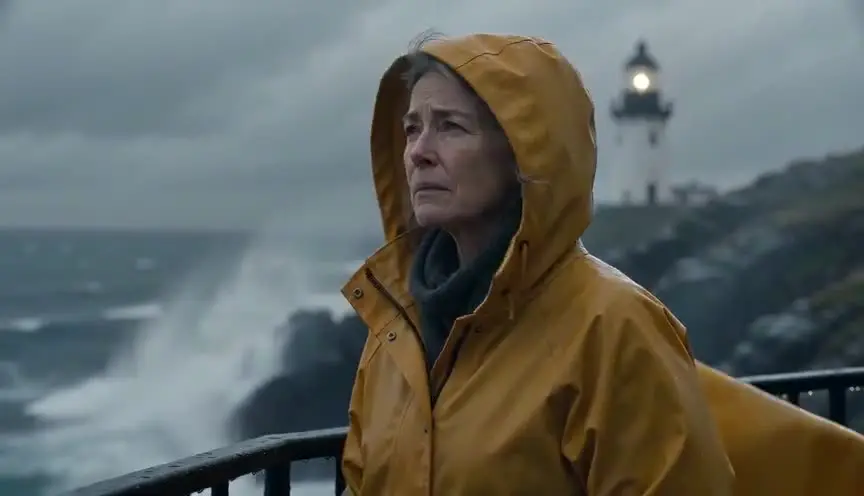
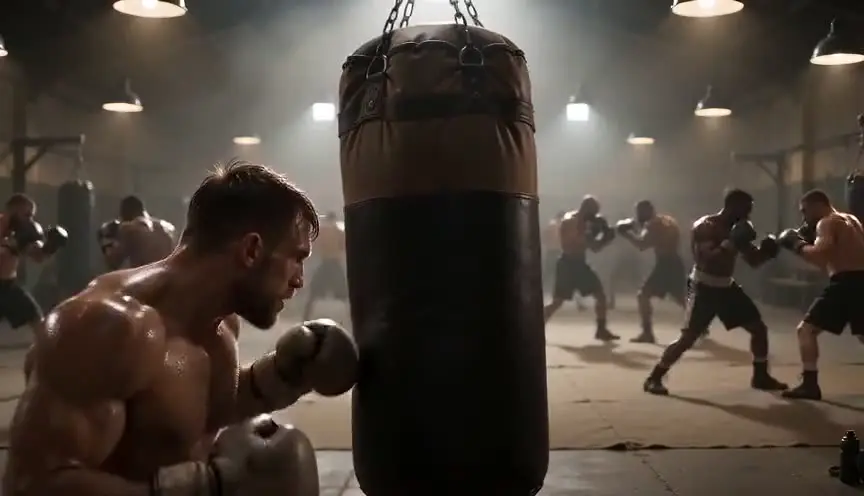
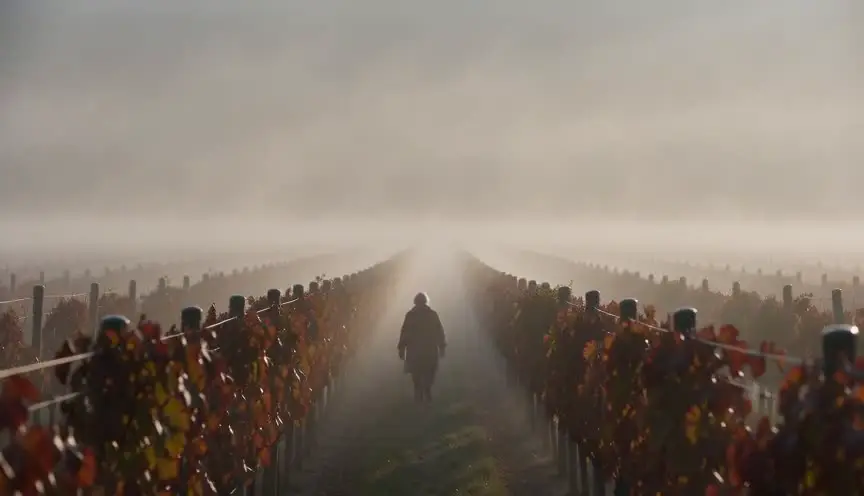
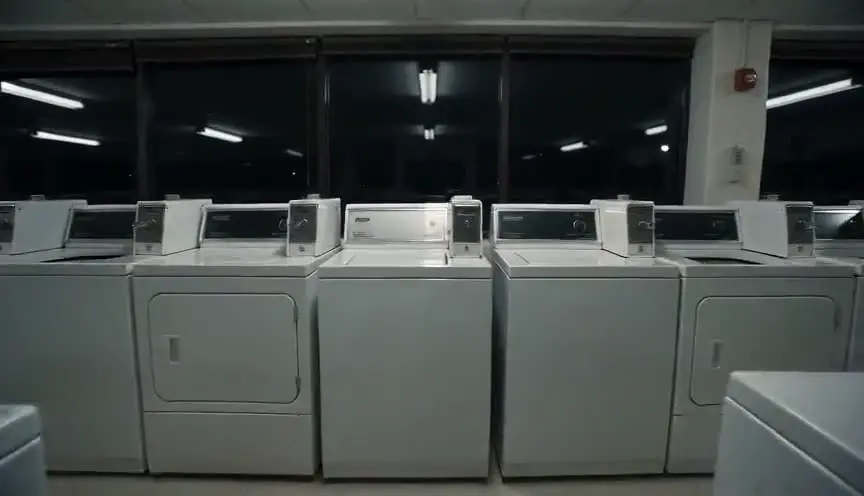
200mm long telephotoFar away, and stuck in place
A long telephoto of 200mm or more shoots a subject from a great distance, flattening everything in front of and behind them into one tight plane. Movement toward the camera seems to stall, and the audience watches like a spy or a stranger who cannot intervene.
Also calledLong lensSuper telephotoLong glassTelephoto compression lens
Lenses and optics
Why it works on screen
The long lens is for surveillance, futility and scale. A character running toward us barely grows, so every step feels wasted. A figure behind a window across a plaza feels exposed and unreachable at once. A distant rider seems to hang in the heat for too long. It serves pursuit, obsession, exhaustion and the feeling that time is stretching. A scene earns it when distance is the drama: a stakeout, a race against a clock, an approach the audience dreads. On calm beats it feels detached, which can be exactly right for a character who watches life instead of living it.
The shot list line
- Size
- Medium shot
- Angle
- Eye level or slightly high, from far across the space
- Movement
- Locked off on a heavy tripod
- Lens
- 200mm to 400mm telephoto
- Duration
- 4 to 10 s
Use a heavy head and sandbags, check for heat shimmer between camera and subject, and keep radio contact with the actor, who may be a hundred feet away.
Screenplay
On the page
Do not write "200mm" or "long lens" in a spec script. Write the distance and what it costs. A figure far down a road who does not seem to get closer, a watcher with binoculars on a rooftop, a face across a square seen through glass. Those details give the director a long-lens scene without dictating one. If the lens is essential to the story, as in a surveillance plot, let a character's device carry it on the page, and keep the technical choice for the shot list.
EXT. APARTMENT ROOFTOP - DAWN
Water tanks, satellite dishes, a folding chair.
PRIVATE INVESTIGATOR NADIA BENALI (50s) lies flat on a yoga mat, a camera with a long lens propped on a rolled towel.
Far across the harbor, on a hotel balcony, a MAN IN A WHITE ROBE lights a cigarette.
Nadia holds her breath. The shutter clicks. Once. Twice.
The man turns and looks straight in her direction.
NADIA
No. You cannot see me from there.
Storyboard
In the storyboard
Draw the subject in the middle of the frame with foreground and background elements stacked tightly around them, all at nearly the same scale. Soften everything except the subject. Label the panel 200mm and add a top view showing the camera far from the subject with a very thin cone. If the subject moves toward camera, draw a short arrow to show how little they grow, with a note like: runs 10 s, gains little size.
Pairs well with
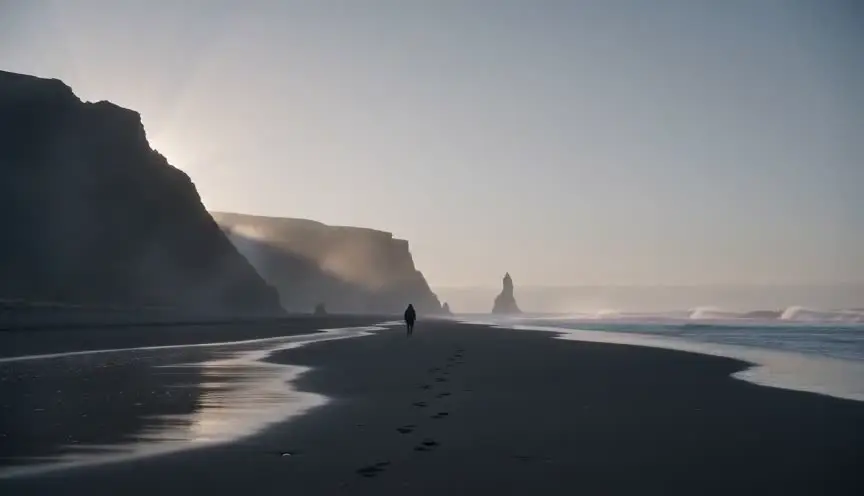
A wide view of the whole place tells the audience how far apart the camera and the subject are. When you cut to the long lens, the tight, flattened image reads as distance and effort, not as a normal close-up.
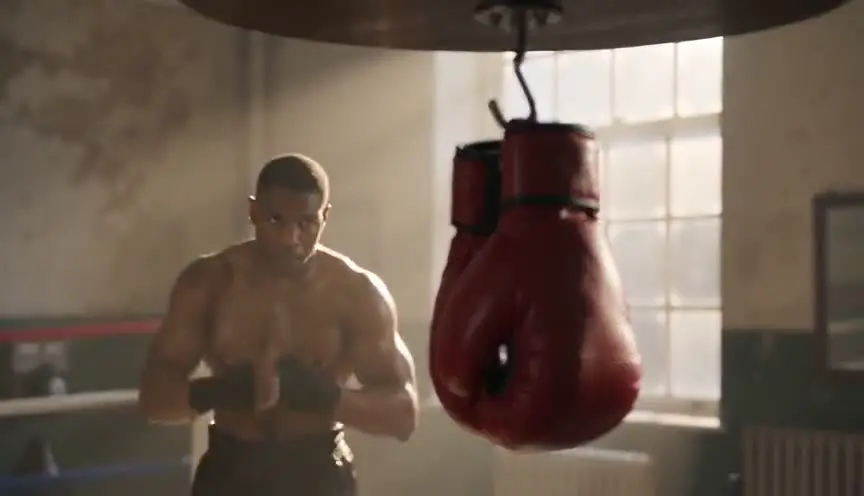
With stacked planes and a thin depth of field, a slow rack from a foreground object to the distant subject lets you reveal who is being watched, or who is watching, in a single shot.
Reference
Watch it in
The Graduate (1967)
Mike Nichols films Benjamin sprinting at the lens from far away, and because he hardly grows in frame, the run plays as pure exhaustion and helplessness.
Lawrence of Arabia (1962)
David Lean relies on extremely long lenses in the desert, letting a rider shimmer out of the mirage and take shape at an agonizingly slow pace.
ScreenWeaver
Set it up in ScreenWeaver
Write the distance into the scene, a watcher and a far subject, and ScreenWeaver breaks the screenplay down into shots automatically. Open the shot on the distant figure, set the framing to a medium shot at eye level, keep the movement static and give it a long duration so the stillness weighs on the audience. Note the 200mm on the shot. The location and characters carry from the establishing shot, and the AI previsualization shows how much the space collapses.
Start writing for freeThe prompt behind this clip
This is the exact prompt that rendered the clip at the top of the page. Keep the description of the camera and the light, change the subject and the place.
200mm long telephoto lens, camera locked on a tripod roughly 40 meters away, aimed across a plaza at a glass office tower. A woman in a gray suit stands at a floor-to-ceiling window on a high floor, sipping from a paper cup. The distant tower facade behind her compresses into flat, stacked rows of glass and steel, softly blurred, while her figure stays crisp in shallow focus. The camera holds perfectly still for the full shot; only her arm moves slowly. No text.
Common mistakes
- 01
Vibration and wind
At 200mm a breeze on the camera or a light tripod turns the image into a wobble. Use a heavy support, weight it down and shield the lens from the wind.
- 02
Heat haze by accident
Shimmer over asphalt or sand can be a beautiful effect or a ruined take. Decide whether you want it, and if you do not, shoot early in the morning.
- 03
No way to talk to the actor
The subject is far away and cannot hear direction. Plan radios, hand signals and a clear start cue, or you lose time on every take.