Window lightThe day coming into the room
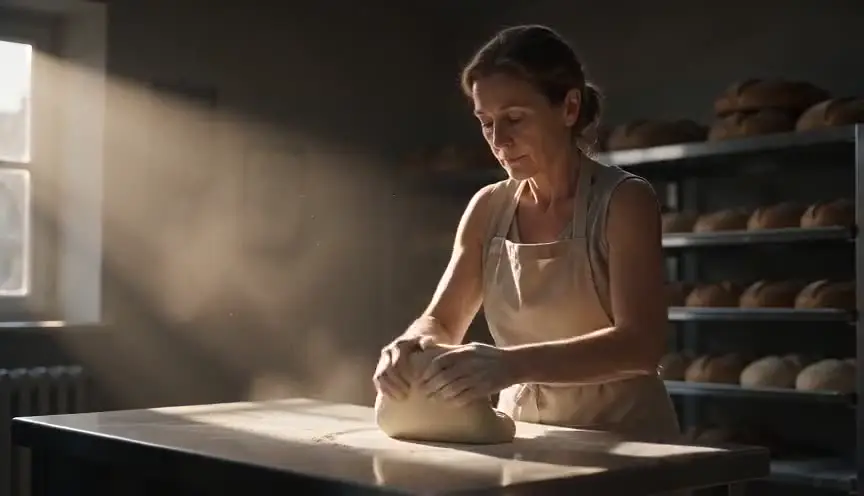
Window light uses daylight entering through a window as the main source of a scene, or imitates it with film lamps placed outside. It gives soft, directional light that falls off across the room, and the audience feels the time of day and the world outside.
Also calledNatural window lightAvailable window light
Lighting
Why it works on screen
A window links an inner life to the world outside. Use window light for scenes of waiting, reading, remembering, working and quiet conversation. It carries the hour: pale morning, flat noon, warm late afternoon. It also shapes faces with a natural direction, one side bright, the other falling gently away. It serves domestic drama, romance, period pieces and stories where characters are shut in and look out. A scene earns it when time passing matters, or when a character's place in the room, near the light or away from it, says something about them.
The shot list line
- Size
- Medium shot
- Angle
- Eye level, three-quarter view
- Movement
- Static
- Lens
- 50mm
- Duration
- 5 to 8 s
Use the real window or a large diffused lamp outside it as the key, keep the camera on the shadow side, and control exterior brightness with ND gel or by timing the scene.
Screenplay
On the page
Windows are part of the set, so you may write them freely: a tall window over the street, afternoon sun on the floorboards, a shutter half open. Place the character in relation to the window when it matters, at it, beside it, with their back to it. Avoid describing the lighting effect in technical terms. The size of the source, the diffusion on the glass and the lamps outside go in the shot list and the lighting plan.
INT. TAILOR'S SHOP - NAPLES - LATE MORNING
One tall window onto the alley. Its light falls across the cutting table and stops at the dark back wall.
ZIO GENNARO ESPOSITO (80s) chalks a line on gray wool, close to the glass, where he can see.
A young man, LUCA (20s), stands in the shadow at the back, holding a jacket that belonged to his father.
Gennaro holds out his hand without looking up.
ZIO GENNARO
Bring it into the light. I don't sew in the dark.
Storyboard
In the storyboard
Draw the window as a bright shape at the edge of the panel and let light spill in a wide wedge across the floor and the table. Shade the room darker the farther it is from the window. Put the subject near the edge of the wedge and shade the side away from the glass. Add an overhead diagram with the window, the actor, the camera and any lamp outside. Note the time of day.
Pairs well with
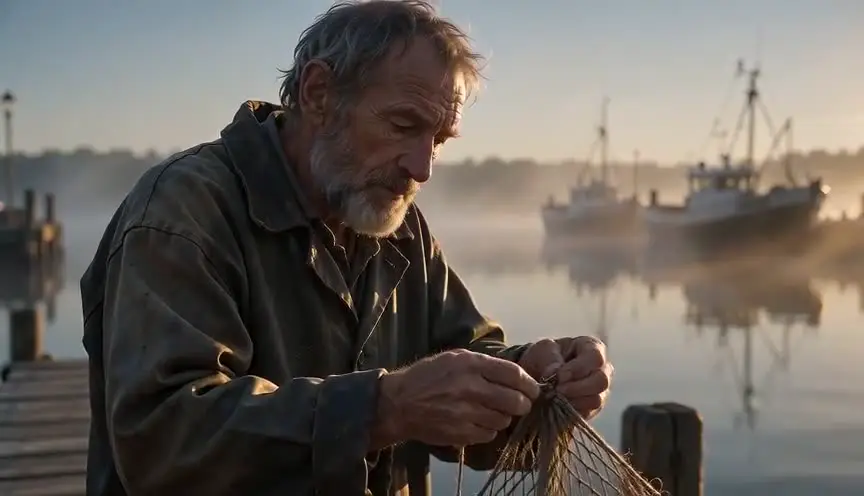
With the camera on the shadow side of an actor facing the window, window light becomes short lighting naturally, sculpting the face and keeping the room's natural logic.
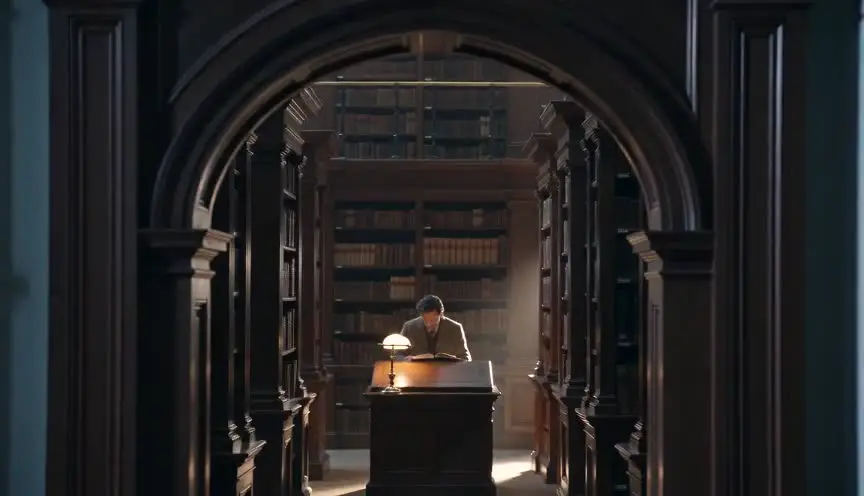
Shoot the character through or beside the window frame. The frame inside the image underlines the feeling of being inside, looking out, which the window light already suggests.
Reference
Watch it in
In the Mood for Love (2000)
Wong Kar-wai lets window light slide across corridors and rooms, building an aching closeness between two people who rarely touch.
Barry Lyndon (1975)
Kubrick and John Alcott use daylight from tall windows to model soft, directional interiors that recall 18th century painting.
ScreenWeaver
Set it up in ScreenWeaver
Place the window in your action lines, and ScreenWeaver breaks the scene down into shots automatically. Open each shot, set framing, angle, movement and duration, and note which side the window is on and the hour. The location carries from shot to shot, so the window stays on the same wall and the light keeps its direction. Use the AI previsualization to test where the actors should stand relative to the glass.
Start writing for freeThe prompt behind this clip
This is the exact prompt that rendered the clip at the top of the page. Keep the description of the camera and the light, change the subject and the place.
Window light: Inside a small apartment overlooking a night market in Taipei, a man in his forties sits at a low table near an open window, his face and forearms lit by warm amber light spilling up from the market stalls below, softened by a thin curtain that wraps the glow gently around one side of his face while the other side falls into soft shadow. The camera holds a static medium shot as he lifts a cup, the light flickering faintly with the movement of lanterns outside, the room behind him staying dim and unlit. No text.
Common mistakes
- 01
The sun moves
Real window light changes through the day, so a long scene will not match from shot to shot. Schedule it carefully or replace the sun with lamps outside.
- 02
Blown-out window
Exposing for faces can turn the window into a white hole. Use ND gel on the glass or add light inside if the view outside matters.
- 03
Camera on the wrong side
Shooting from the window side flattens the face. Put the camera on the far side of the actor so the light models the face.