Clean frameOnly the character, nothing else
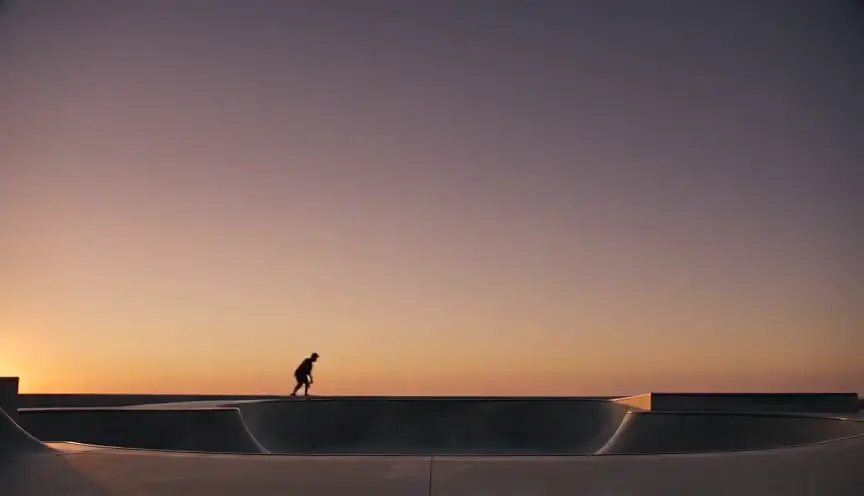
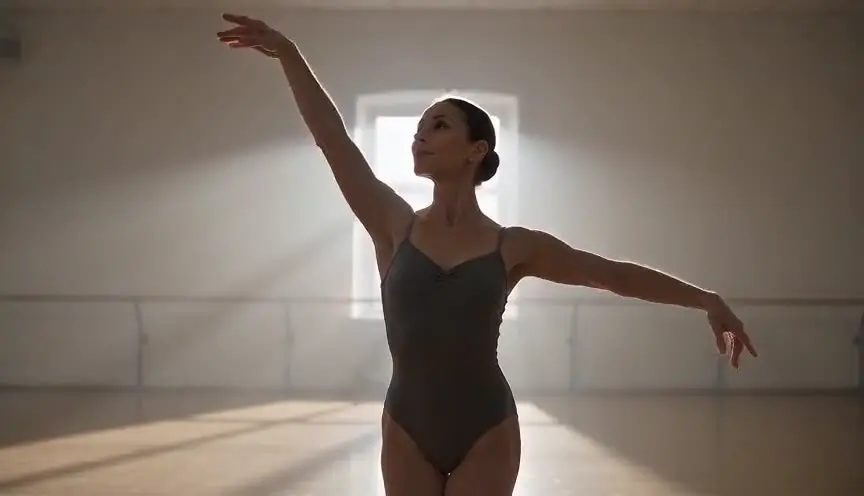
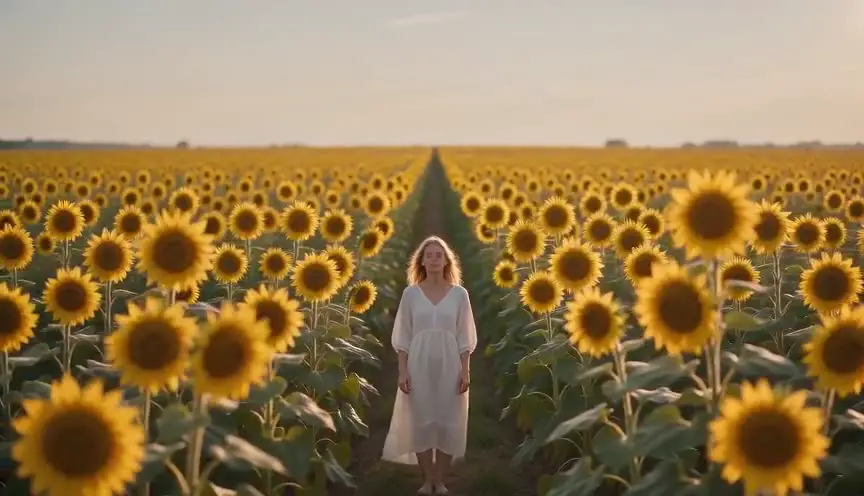
A clean frame shows the subject with nothing in the foreground and nothing competing behind them: no shoulders, no clutter, no stray objects. The audience has only one thing to look at, so the character feels isolated, exposed or completely in focus.
Also calledClean singleUncluttered frameMinimalist frame
Composition
Why it works on screen
Removing everything else is a statement. In dialogue, switching from over-the-shoulder coverage to clean singles tells the audience the characters have stopped connecting; each is now alone with their thoughts. In a wide shot, a single figure against sand, snow or a white wall becomes almost abstract. Use clean frames for isolation, clarity, revelation, alienation and the moment a character speaks the truth. A scene earns it when a person stands apart from everyone else, or when the audience must listen to one voice without distraction.
The shot list line
- Size
- Medium shot
- Angle
- Eye level
- Movement
- Static
- Lens
- 50mm to 85mm
- Duration
- 4 to 8 s
Clear the foreground and background of every object that is not the subject, and keep the background even in tone.
Screenplay
On the page
Clean framing is a coverage choice and should not appear on the page. You can prepare it by writing isolation: a character alone in a bare room, a pause where no one answers, a person who steps away from the group to speak. Keep the description of the space spare, since a busy paragraph invites a busy frame. The decision to shoot clean singles, and when to switch to them, belongs to the director and the shot list.
INT. GALLERY - BERLIN - NIGHT
A white room. White floor. One bench in the middle, nothing on the walls yet.
The opening is tomorrow.
LENA HOFFMANN (38, paint on her wrists) sits on the bench, facing a blank wall where her main piece should hang.
Her phone lights up. She reads it. Puts it face down.
LENA
(to no one)
Then I'll show them the wall.
Storyboard
In the storyboard
Draw the subject with a firm outline and leave the rest of the panel almost empty, with a single flat tone for the background. Write clean single in the corner, and note that no foreground element should enter. If this panel follows dirty coverage, put the previous over-the-shoulder panel next to it, so the switch is visible. Add the lens, the eye level and the line of dialogue where the clean frame begins.
Pairs well with
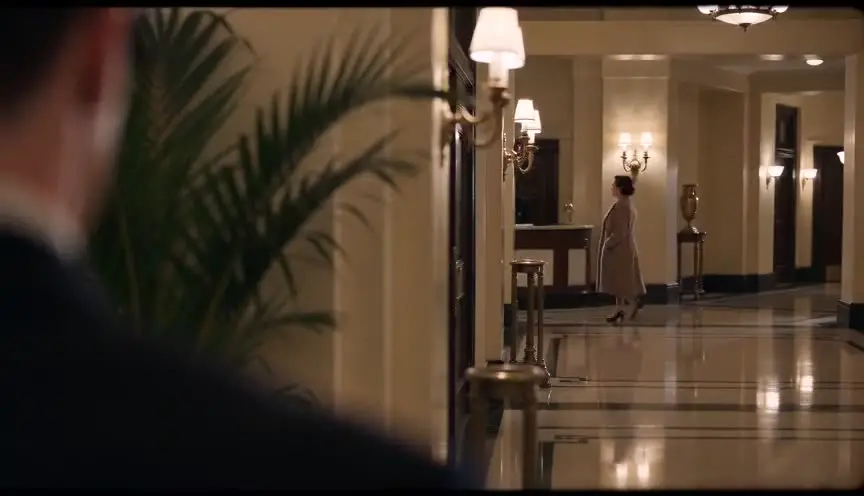
Start a conversation in dirty frames, with shoulders and bodies in the foreground, then cut to clean singles when the characters grow apart. The emptiness around each face tells the story.
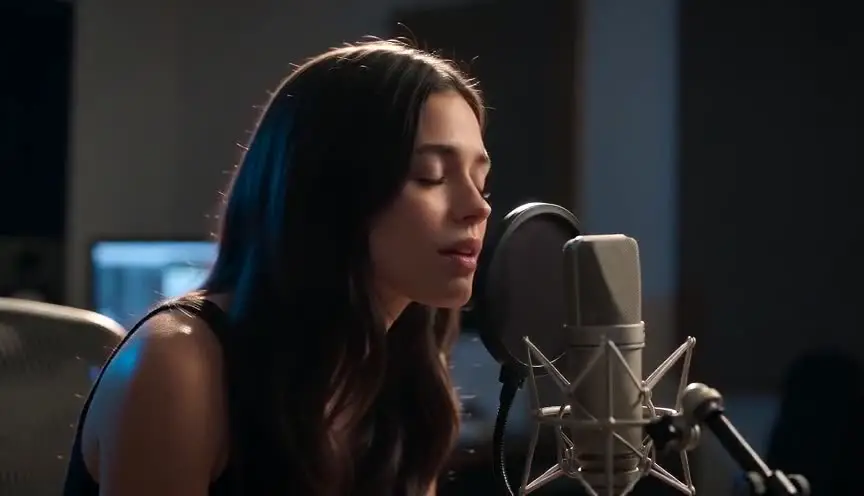
A clean frame is the purest form of the single. Use it for the one character who needs the audience's full attention while the others remain in shared coverage.
Reference
Watch it in
Lawrence of Arabia (1962)
In the desert wides, one figure stands against bare sand and sky with nothing else in view, so size and loneliness become the whole subject.
Under the Skin (2013)
Some interiors reduce the space to a black or white void around a single silhouette, which leaves the viewer disoriented and uneasy.
ScreenWeaver
Set it up in ScreenWeaver
Write the isolation into the scene, a bare room or a character stepping apart, and ScreenWeaver breaks it down into shots automatically. Open the shot, set a medium shot at eye level, static, with a duration that lets the stillness land. Keep the storyboard frame free of any foreground element. The character and the location carry from shot to shot, so you can switch from dirty to clean coverage at the right line, and the AI previsualization shows how exposed the character feels.
Start writing for freeThe prompt behind this clip
This is the exact prompt that rendered the clip at the top of the page. Keep the description of the camera and the light, change the subject and the place.
Clean frame: a wide static shot of a woman in a plain gray jumpsuit standing alone on a vast white salt flat that stretches to a flat horizon under an overcast sky. The frame holds nothing else, no rocks, no vehicles, no other people, no clouds crossing the sky. She stands still, arms at her sides, centered in open negative space. The camera does not move, the light stays flat and even, and no element enters or exits the frame for the full four seconds. No text.
Common mistakes
- 01
Clean but empty of meaning
A bare background with no reason becomes dull. The clean frame needs a moment: a confession, a decision, a loss. Otherwise the audience just sees an unfinished set.
- 02
Background clutter sneaking in
A plant, a sign or a bright light at the edge of frame spoils the effect. Check the edges on the monitor before every take.
- 03
Switching without a cue
Moving from dirty to clean singles in the middle of nothing feels random. Tie the switch to a line or a turn in the scene.