SnorricamLocking the audience to a body out of control
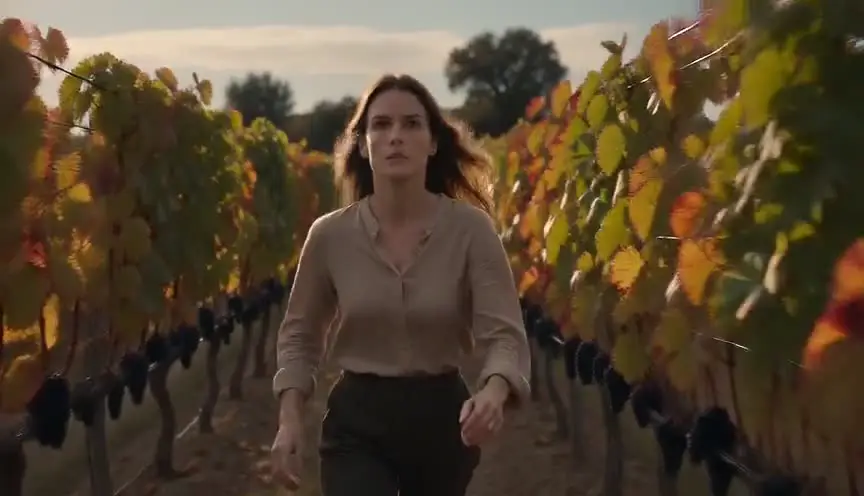
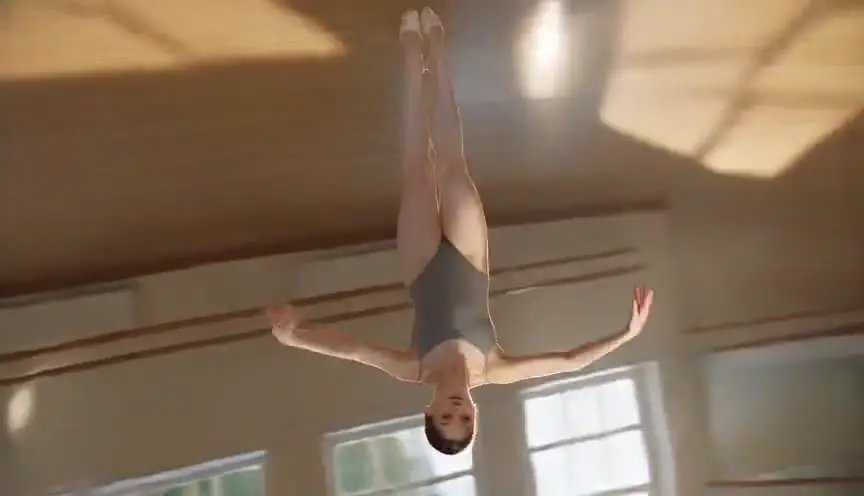
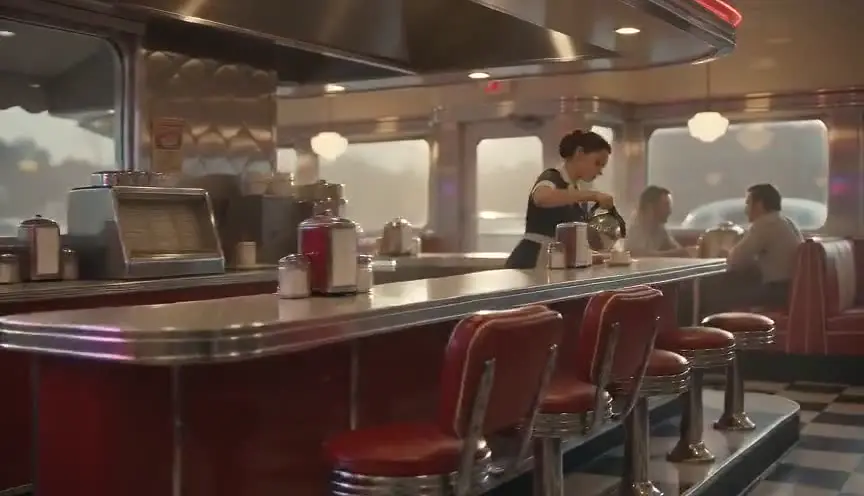
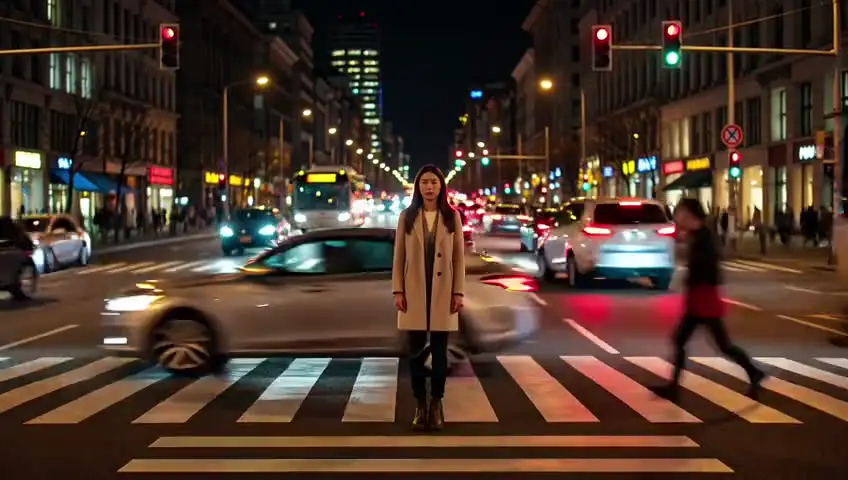
A Snorricam straps the camera to the actor's body, pointing back at their face, so the face stays fixed in the frame while the world behind them sways and lurches. The audience is locked to the character's head as they stagger, run or lose control.
Also calledBody-mounted rigChest camBody cam
Camera movement
Why it works on screen
The rig makes the character's inner chaos physical. Because the face never moves in the frame, every step, stumble and spin shows up as the world tilting and swinging behind them. It serves drunkenness, panic, drug experiences, exhaustion, grief and the frantic flight of someone in trouble. It is intimate and uncomfortable at once, since we cannot look away from the face. A scene earns it when a character is losing their grip on their body or their situation, and the audience should feel dragged along with them.
The shot list line
- Size
- Medium close-up, face fixed in the frame
- Angle
- Slightly low, looking back at the face
- Movement
- Camera mounted on the actor's body, moving with them
- Lens
- 14mm to 24mm wide
- Duration
- 4 to 15 s
Fit the rig with a safety harness, rehearse the route at walking pace first, and have crew spot the actor since they cannot see well around the camera.
Screenplay
On the page
Never write "Snorricam" in a spec script. Describe the character's lurching, dizzy state and how the world seems to swing around them: the street tilting, the faces smearing past, the noise swelling. The reader feels the loss of control, and the director recognizes an invitation for a body rig. Keep it for one or two moments per film. The rig, its mount and the route go in the shot list.
EXT. PELOURINHO, SALVADOR DA BAHIA - CARNIVAL NIGHT
Drums. A wall of bodies in glitter and feathers.
GREG HOLLOWAY (45, sunburned tourist, one sandal missing) pushes through the crowd, patting his pockets. Empty. Empty.
The street tilts. A dancer's feathers slap his face. Someone hands him a cup and he drinks it.
The drums get louder. The lights swing like a ship's lamp.
GREG
Has anyone seen a blue passport?
Storyboard
In the storyboard
Draw the panel with the actor's face locked in the center and the background tilted at an angle. Add wavy arrows in the background to show sway and lurching, labeled SNORRICAM. Sketch a small side view of the actor with the rig strapped to the chest or waist and the camera facing back at them. Note the route, the duration and where the crew must spot the actor.
Pairs well with

Cut from the Snorricam on the character's face to their point of view, spinning and blurry. The pair shows the outside and inside of the same disorientation.

After the frantic rig shot, a still, wide frame shows the character collapsed or finally stopped. The stillness is a jolt, like the moment the room stops spinning.
Reference
Watch it in
Requiem for a Dream (2000)
Aronofsky straps the camera to his actors during the drug sequences, so their faces stay still while rooms and streets whirl past behind them.
Mean Streets (1973)
As Charlie gets drunk and stumbles through the bar, the camera fixed to Harvey Keitel's body keeps him steady while the room sways around him.
ScreenWeaver
Set it up in ScreenWeaver
Write the character's loss of control in your screenplay, and ScreenWeaver breaks the scene down into shots automatically. Open the shot, set the framing to medium close-up, set the angle slightly low, choose a body-mounted rig as the movement and give it a duration of a few seconds. Characters and the location carry from shot to shot, so the face and the crowd stay consistent. Check how it cuts against the steadier coverage in the AI previsualization.
Start writing for freeThe prompt behind this clip
This is the exact prompt that rendered the clip at the top of the page. Keep the description of the camera and the light, change the subject and the place.
Snorricam shot: a woman in her thirties jogs through a misty pine forest, filmed by a camera rigged to her chest so her face and shoulders stay perfectly locked and still in frame at all times. Behind her, tall pine trunks and drifting fog blur and sway wildly as she runs, the ground tilting with each stride. A wide-angle lens keeps her expression sharp while the forest streaks past in soft motion blur around her fixed silhouette. No text.
Common mistakes
- 01
Wearing it too long
Extended rig shots become tiring and lose their shock. Use short bursts at the peak of the character's disorientation, then cut away.
- 02
An actor who cannot move
A heavy rig restricts movement and can look stiff. Use a light camera, rehearse the route, and let the actor find their stagger.
- 03
Ignoring safety
The actor carries weight and often cannot see ahead. Without spotters, a cleared route and a secure harness, falls are likely. Plan with the stunt team.