Telephoto compressionEverything pressed against everything
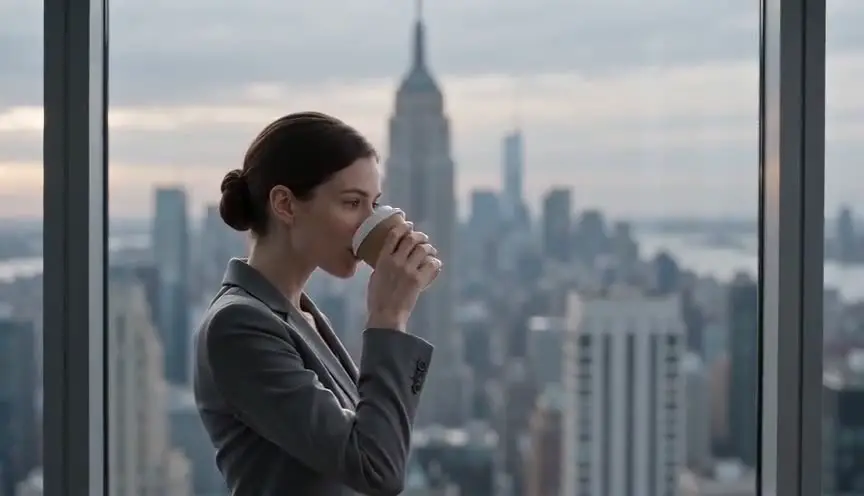
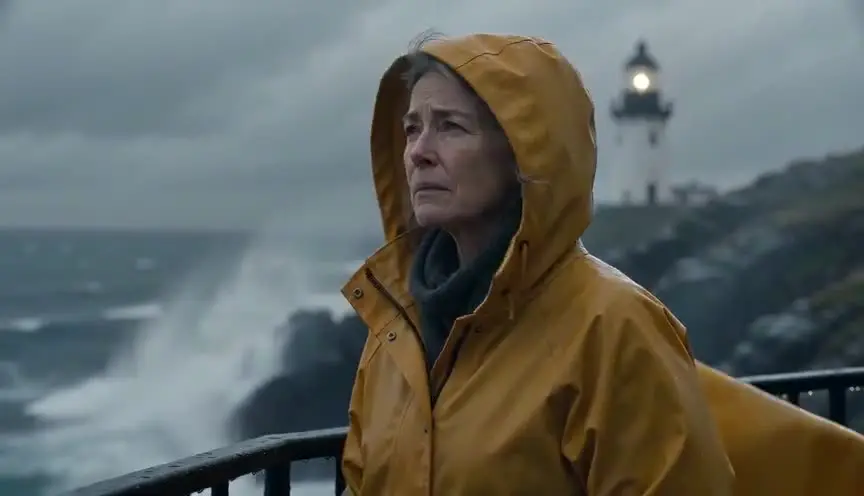
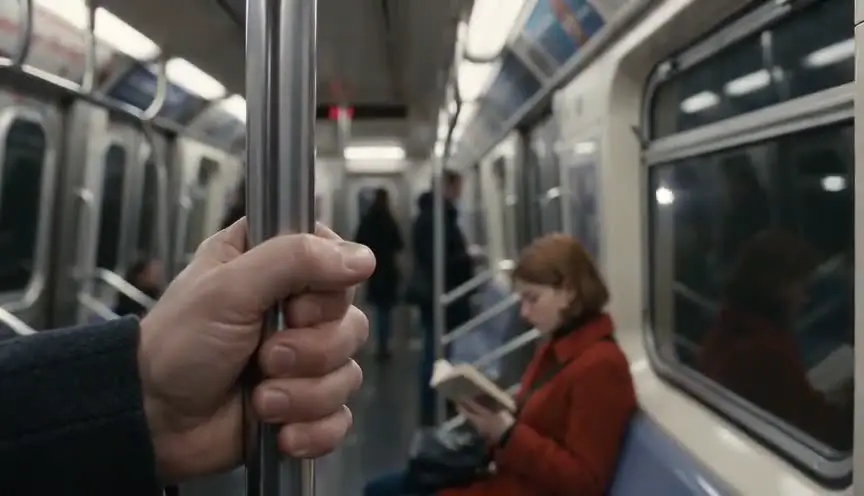
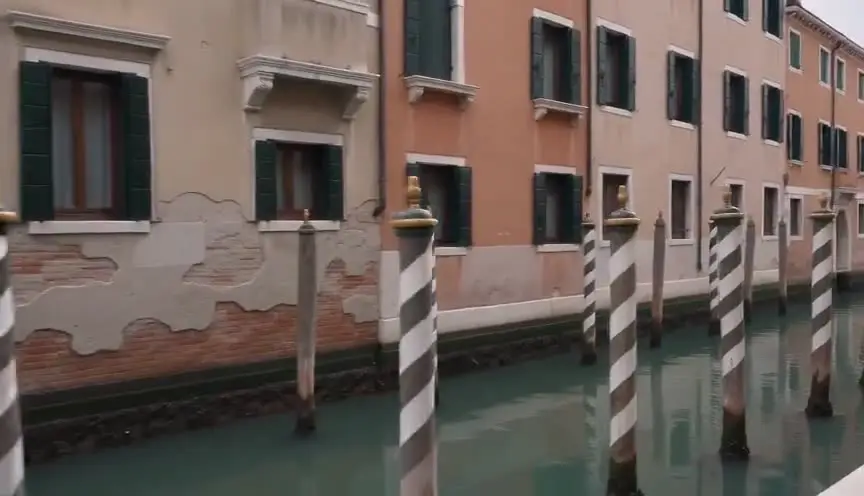
Telephoto compression is the flattening of depth you get when you film from far away on a long lens, so objects that are far apart look stacked right on top of each other. The audience feels crowding, pressure and a world closing in, or a distance that effort cannot cross.
Also calledLens compressionPerspective compressionForeground-background compression
Lenses and optics
Why it works on screen
Compression turns space into pressure. A crowd becomes a wall of bodies. A skyline leans on the shoulder of a character. A threat in the background looks as big as the hero in front of it. It serves claustrophobia in open places, chaos in battle, the sense of being trapped in a city, and scenes where a character pushes forward but gets nowhere. A sequence earns it when geography is less important than weight: when the audience should feel that the world is too dense, too close or too indifferent to let the character through.
The shot list line
- Size
- Medium shot to full shot
- Angle
- Eye level, straight down the axis of the crowd or street
- Movement
- Static, or a slow pan to keep the subject in frame
- Lens
- 200mm to 400mm
- Duration
- 4 to 10 s
The effect comes from distance, not focal length alone: back the camera far away down a long line of layers, then frame with the long lens to stack them.
Screenplay
On the page
Compression is an optical result, so it never appears as a term in a spec script. The writer can supply the image it serves: a crowd that fills the street from wall to wall, a figure against a sun that looks enormous, someone who runs and runs without getting closer. Keep the language in the story world. If you are directing, write the lens and the camera distance in the shot list, since the effect depends on how far away you can place the camera.
EXT. MARKET STREET - DAY
Festival week. Marigold garlands, drums, a river of people moving toward the temple.
PRIYA NAIR (30s, hospital scrubs under a raincoat) pushes the other way, against all of them.
Shoulders, elbows, a painted elephant float. Every face ahead of her seems pressed onto the next.
She checks her phone. 4 percent. She keeps pushing.
PRIYA
Excuse me. Please. Excuse me.
Storyboard
In the storyboard
Draw several layers, foreground, subject and background, at almost the same size, overlapping each other with no visible space between them. Make background elements such as buildings, a sun or a crowd look oversized relative to the subject. In a top view, place the camera very far away with the layers spread out in real space, to show the difference. Note the focal length and the camera distance under the panel.
Pairs well with
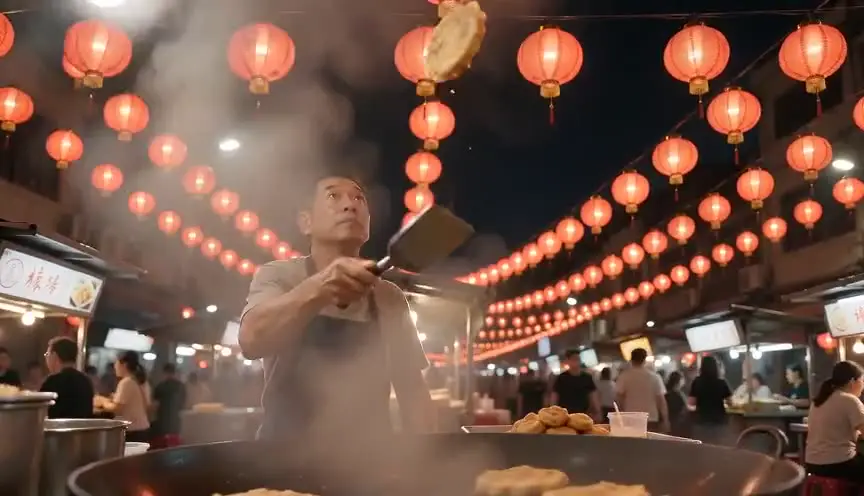
Show the same place first on a wide lens up close, where people have room between them. Switching to compression then makes the space suddenly collapse, and the audience feels the pressure arrive.
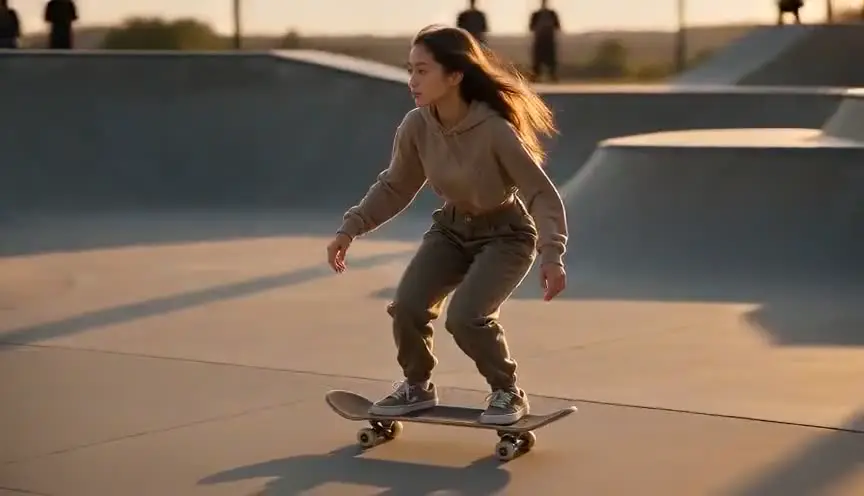
A tracking shot moves with the character through the space at normal perspective. Cutting to a compressed long-lens view of their progress shows how little ground they are really covering.
Reference
Watch it in
The Graduate (1967)
Filmed from far off on a long lens, Benjamin's run to the church flattens the street so that he seems to sprint in place.
Lawrence of Arabia (1962)
The extreme telephoto squeezes the desert and its heat shimmer, so Omar Sharif's approaching rider looks close enough to touch yet never seems to arrive.
Seven Samurai (1954)
In the rain-soaked final battle, Kurosawa's long lenses pile riders, villagers, rain and mud into tight layers, packing the village with chaos.
ScreenWeaver
Set it up in ScreenWeaver
Write the crowd, the pressure or the endless run into your action lines, and ScreenWeaver breaks the screenplay down into shots automatically. Open the shot that should feel compressed, set the framing, keep the angle at eye level down the axis of the space, choose a static movement or slow pan and set the duration. Note the long lens and distance. The location carries from shot to shot, and the AI previsualization lets you compare the flattened view with the wider coverage.
Start writing for freeThe prompt behind this clip
This is the exact prompt that rendered the clip at the top of the page. Keep the description of the camera and the light, change the subject and the place.
Telephoto compression: a locked-off shot filmed with a 200mm lens from across a boxing gym, camera positioned far from the action so the long focal length flattens depth, placing a boxer hitting a heavy bag in the foreground on the same visual plane as rows of sparring boxers in the background, who appear unnaturally large and close despite being many feet away. Shallow depth of field softens the background slightly while the foreground stays sharp, hard gym lighting glinting off sweat, dust hanging in the compressed air between planes. No text.
Common mistakes
- 01
Zooming without backing off
Compression comes from camera distance. A long lens from close in just gives a tight shot. Move the camera far away, then frame with the long lens.
- 02
Nothing to stack
With only one subject and an empty background, the effect disappears. Place layers along the lens axis: people, poles, cars, signs or trees.
- 03
Confusing geography
Stacked space hides real distances, so the audience may lose track of where people are. Cover the scene with at least one wider shot that shows the layout.