Fisheye lensWhen the world bends out of shape
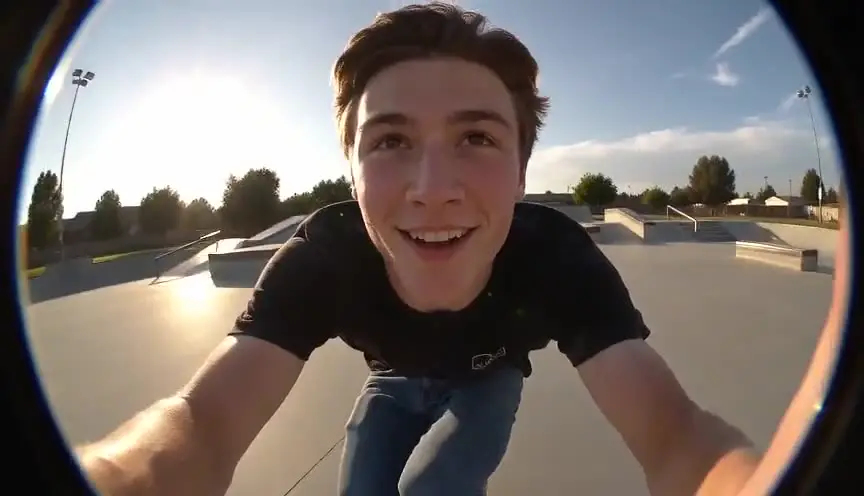
A fisheye lens sees an extremely wide angle and bends straight lines into curves, so the frame bulges at the center and bows at the edges. The audience feels that reality has lost its shape, whether through a high, a panic, a prank or a nightmare.
Also calledFisheye shotUltra-wide fisheyeBug-eye lens
Lenses and optics
Why it works on screen
Use the fisheye when perception itself is the subject. It serves intoxication, paranoia, mania and comic grotesque, and it gives skate and music videos their energy. A face pushed toward the lens swells and looks unhinged. A corridor curves like the inside of a tube. The effect is loud, so a scene earns it when the character's mind has left normal ground: the first hit of a drug, a panic attack in a crowded room, a court where everyone schemes. Used once, it marks a break. Used as a motif, it becomes the lens of a character who never sees straight.
The shot list line
- Size
- Close-up to medium shot
- Angle
- Low angle, lens very close to the subject
- Movement
- Handheld follow, or rig-mounted on the subject
- Lens
- 8mm to 15mm fisheye
- Duration
- 2 to 5 s
Get within a foot or two of the subject so the distortion shows, and watch the edges of the frame: at this angle the crew, the lights and your own feet are in the shot.
Screenplay
On the page
Never write "fisheye" in a spec script. Describe what the character perceives: walls that seem to lean in, a face that looms too close, a floor that tilts. Keep it in the character's experience, not the camera. If the distortion is a true point of view, such as a peephole or a security camera, name that object in the action line, since it is part of the story world. Everything else about the lens goes into the shot list.
EXT. SKATE BOWL - NIGHT
One floodlight buzzing. Graffiti on every curve of concrete.
TIAGO REIS (16) drops in for the first time since the cast came off.
The bowl seems to rise around him, walls leaning in, the lip of the deck curling toward the sky.
His friends shout from the rim, their faces huge and far at once.
He lands the carve. He laughs so hard he almost falls.
Storyboard
In the storyboard
Draw the frame with a round or barrel shaped border and bend every straight line in the scene into an arc bowing outward. Make the part of the subject nearest the lens much larger than the rest. Add a note on the camera distance, such as twelve inches, and an arrow for the handheld or rig movement. Mark the focal length under the panel and circle anything at the edge that should stay out of the frame.
Pairs well with
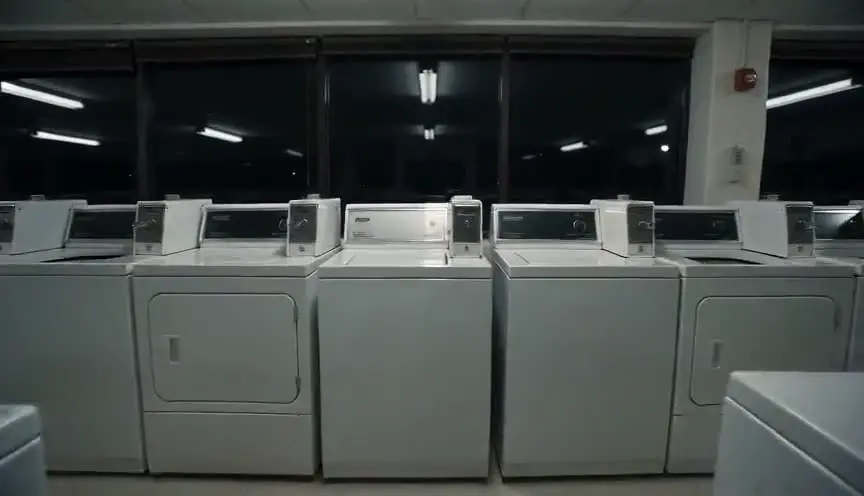
Cut from the character's face to their point of view on the fisheye, and the distortion reads as their perception rather than a camera trick. Return to a normal lens when they come back to earth.
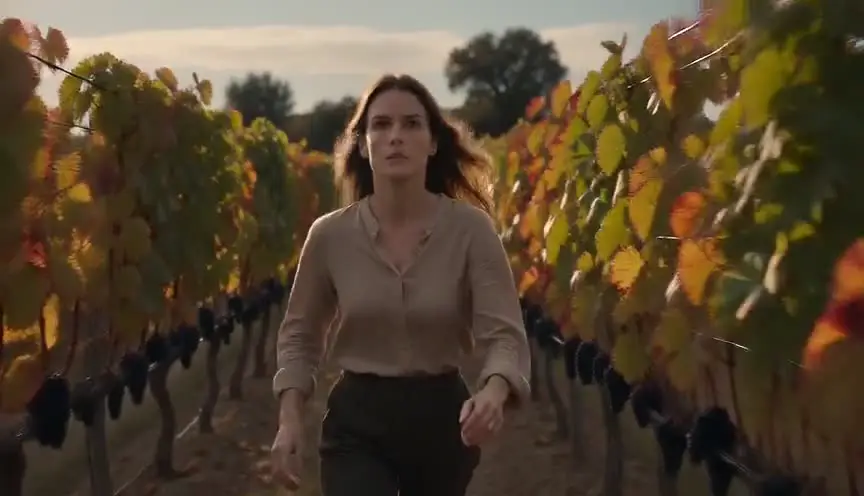
Fisheye and handheld movement amplify each other. The instability of the operator bends lines even more, which drives up energy in chases, fights and street sports.
Reference
Watch it in
Requiem for a Dream (2000)
Darren Aronofsky mixes fisheye framings with body-mounted rigs so each addiction spiral feels warped, cramped and closing in on the characters.
Seconds (1966)
From Saul Bass's opening close-ups to James Wong Howe's interiors, the fisheye bends faces and hallways into a disturbing, dreamlike distortion.
The Favourite (2018)
Robbie Ryan's fisheye views bend the palace halls into curved arenas where courtiers scheme, making the royal rooms feel both absurd and dangerous.
ScreenWeaver
Set it up in ScreenWeaver
Write the altered perception into the action lines, and ScreenWeaver breaks the screenplay down into shots automatically. Open the shot where the world bends, set the framing close, the angle low, the movement handheld, and keep the duration short so the effect does not wear thin. Note the fisheye on the shot. Characters and the location carry from the surrounding shots, and the AI previsualization lets you judge whether the distortion supports the moment.
Start writing for freeThe prompt behind this clip
This is the exact prompt that rendered the clip at the top of the page. Keep the description of the camera and the light, change the subject and the place.
Fisheye lens shot, 8mm focal length, inside a Moroccan riad courtyard with tiled arches and a central fountain. The camera is handheld, held low and close to a middle-aged woman in a caftan spinning slowly near the fountain, her face swelling toward the lens as the surrounding archways and tiled walls bow outward into a circular distortion. The horizon curves visibly at the frame edges while the center stays sharp, warm afternoon light bouncing off the water. The camera stays static in position while she rotates, the bulge and curvature constant throughout the four seconds. No text.
Common mistakes
- 01
Standing too far back
A fisheye used from a distance just looks like a wide lens with bent edges. The effect comes from proximity, so bring the lens close to the subject.
- 02
Using it for no reason
Without a change in the character's perception, the curve feels like a gimmick. Tie every fisheye shot to a mental state or a device in the story.
- 03
Crew in the frame
The angle of view is almost 180 degrees. Lights, stands and the operator's shadow sneak in. Walk the edges of the frame before every take.