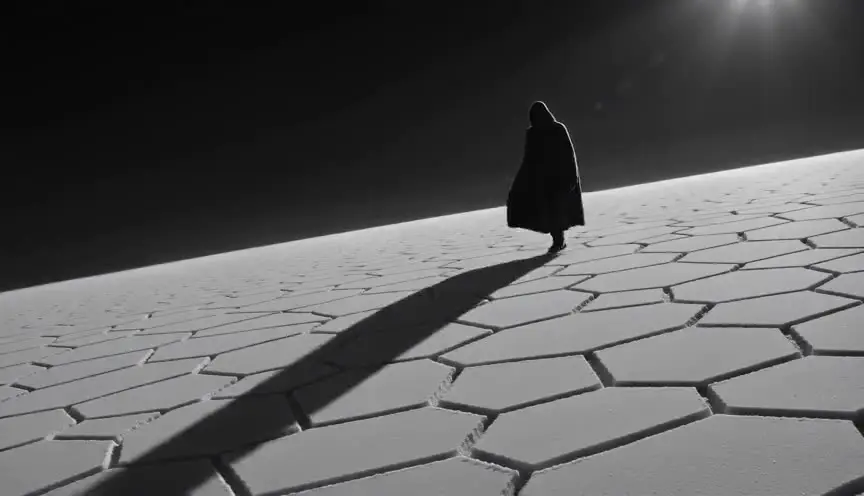
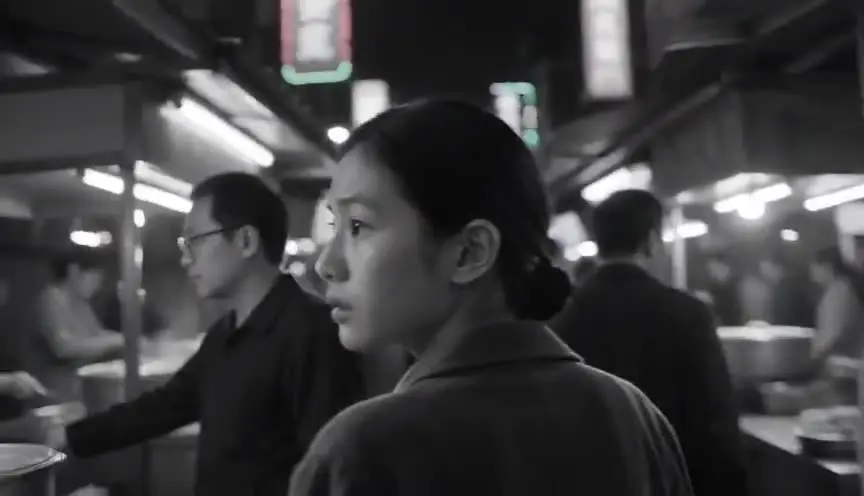
Black and whiteLight, shadow and nothing else
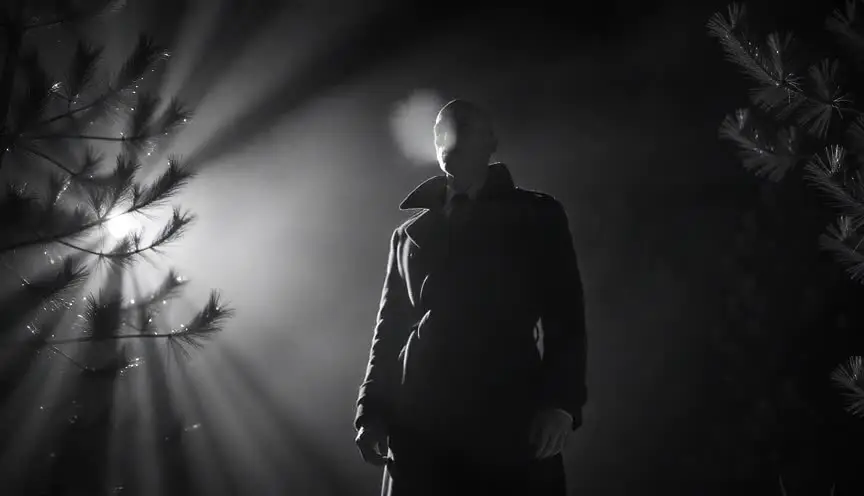
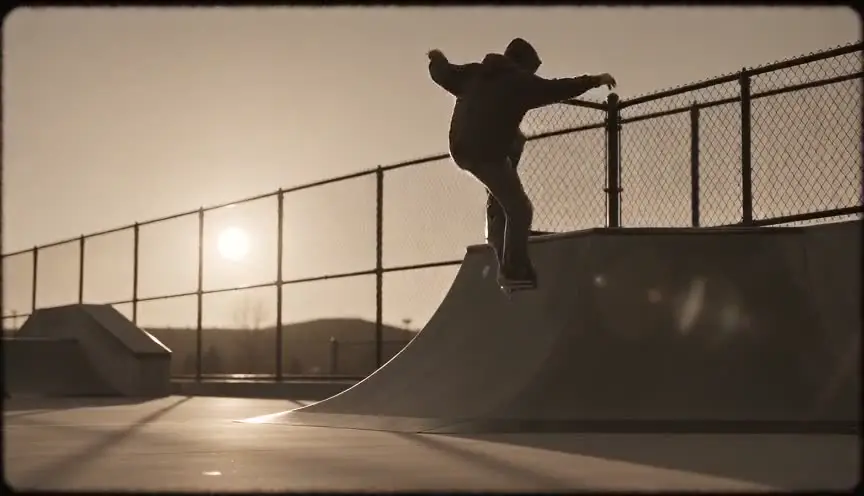
Black and white removes color from the image and leaves only tones, from bright white to deep black. The audience looks harder at faces, shapes and light, and often reads the film as memory, history or something timeless.
Also calledMonochromeGrayscaleB&WBlack and white photography
Color and film look
Why it works on screen
Taking color away changes what a story is about. Without it, the eye goes to texture, gesture and the geometry of light. Black and white can evoke archival footage and give a historical story moral weight. It can make a personal memory feel like an old family photograph. It can create dread or dream, as early cinema did. It serves history, memory, grief, noir and fable. A film earns it when color would distract or date it, or when the filmmaker wants distance from the present. A single scene in black and white inside a color film marks a different time, a different mind or a different reality.
The shot list line
- Size
- Wide shot
- Angle
- Eye level or slightly high
- Movement
- Static
- Lens
- 32mm to 50mm
- Duration
- 4 to 10 s
Light for tonal contrast, not for color: separate the actor from the background by brightness, and check the monitor in monochrome, since two different colors can become the same gray.
Screenplay
On the page
If the whole film is black and white, say it once, on the title page or in a short note before the first scene, since it is a fundamental choice that affects how the reader imagines everything. If only some scenes are, mark them clearly in the scene heading or with a short line such as "in black and white" at the start of the sequence, then again when color returns. Do not repeat it in every action line. How the tones are lit and graded belongs in the look book.
INT. BOXING GYM - NIGHT (1963)
In black and white.
A single bulb over the ring. Rain on the skylight. Ropes, sweat, a torn poster on the wall.
MAEVE DOHERTY (12, hair tucked into a cap, her brother's gloves too big) slips through the side door.
She climbs into the empty ring and raises her fists at her own shadow on the canvas.
MAEVE
One day they will pay to watch me.
Storyboard
In the storyboard
Draw in pencil or grayscale only, with no color anywhere. Plan three values at least: white for the brightest highlights, a middle gray and solid black for the deepest shadows. Make the subject stand out by contrast with what is behind them. Mark the key light direction with an arrow. Under the panel, note whether the scene is black and white by design or a transition to or from color.
Pairs well with
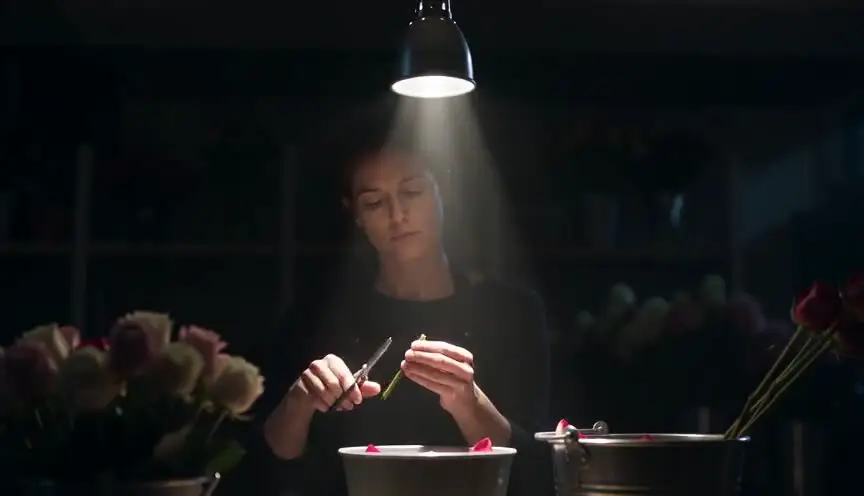
Strong contrast between light and shadow is the main tool of monochrome. Lighting a scene in chiaroscuro gives black and white its depth, drama and sculpted faces.
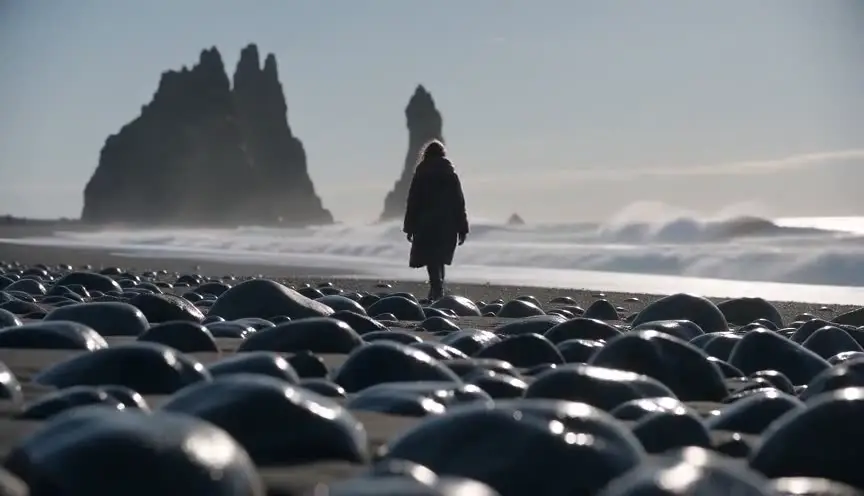
Without color to separate planes, sharp detail from front to back lets the audience explore a layered frame. Many classic black and white films relied on deep focus for exactly that reason.
Reference
Watch it in
Schindler's List (1993)
Spielberg shot nearly all of it in black and white to recall archive footage and moral seriousness, breaking the rule for a single red coat.
Roma (2018)
Cuarón renders 1970s Mexico City in bright, detailed black and white, so the silver tones carry memory and depth instead of period color.
The Lighthouse (2019)
Robert Eggers pairs hard-contrast monochrome with old lenses, making the film look like a lost relic from the first decades of cinema.
ScreenWeaver
Set it up in ScreenWeaver
Mark the black and white scenes clearly in your screenplay, and ScreenWeaver breaks it down into shots automatically. Open each shot, set the framing, angle, movement and duration, and add a black and white color note on the sequence. Characters and locations carry from shot to shot, so the same person reads as the same person in monochrome and in color, and the AI previsualization lets you judge the tonal contrast before the shoot.
Start writing for freeThe prompt behind this clip
This is the exact prompt that rendered the clip at the top of the page. Keep the description of the camera and the light, change the subject and the place.
Black and white, static locked-off shot inside a Victorian library at night. A middle-aged woman in a long wool coat stands before towering wooden shelves, running her fingers along leather book spines. Hard directional light falls from an unseen tall window, carving deep black shadows across the shelves while her face and hands sit in bright silver highlight. No color exists anywhere in the frame, only pure grayscale tones from white paper to black wood. Fine film grain sits over the whole image. The camera does not move for the full four seconds. No text.
Common mistakes
- 01
Lighting for color
A red dress against a green wall looks great in color and becomes two identical grays. Plan contrast in brightness, and check sets and costumes in monochrome.
- 02
Flat, gray images
Without deep blacks and clean whites, black and white looks like a faded video. Build a tonal range on set, then shape it in the grade.
- 03
Using it to look arty
Monochrome without a story reason can feel like an affectation. Tie it to memory, history, a point of view or a deliberate break in the film.