Truck shotMoving alongside the action
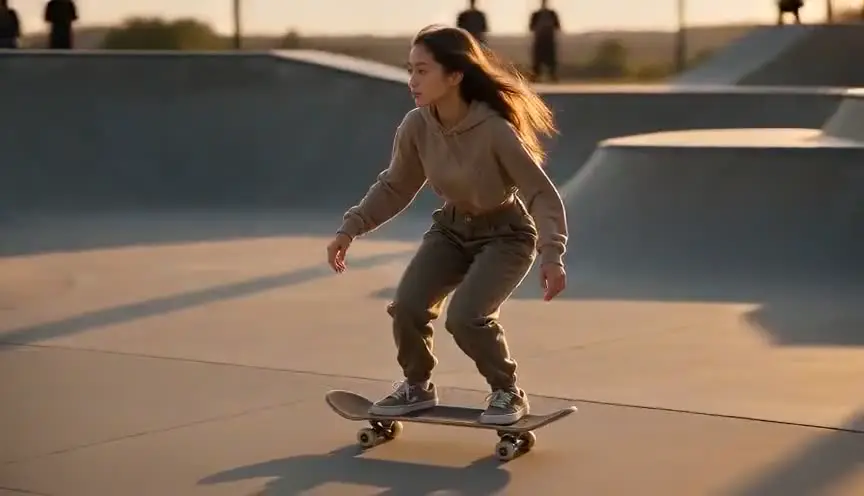
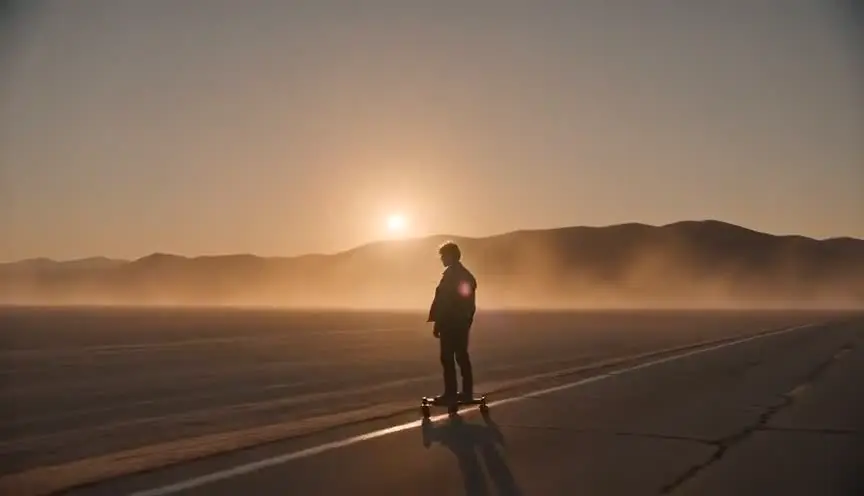
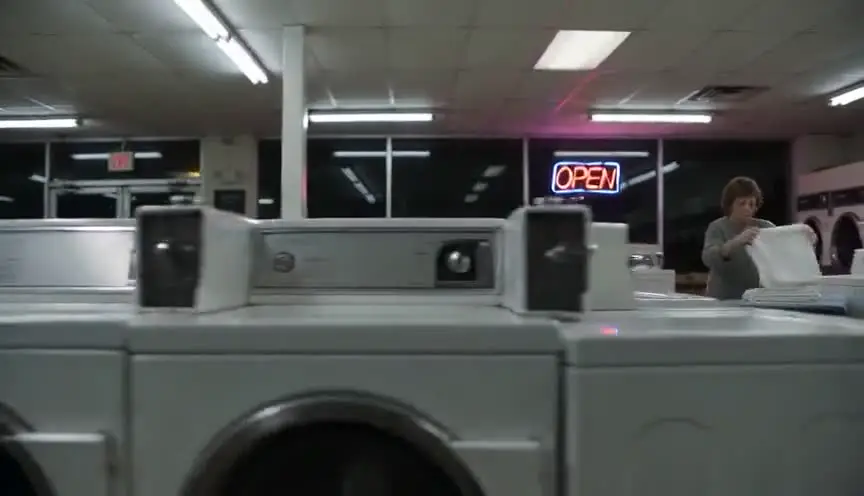
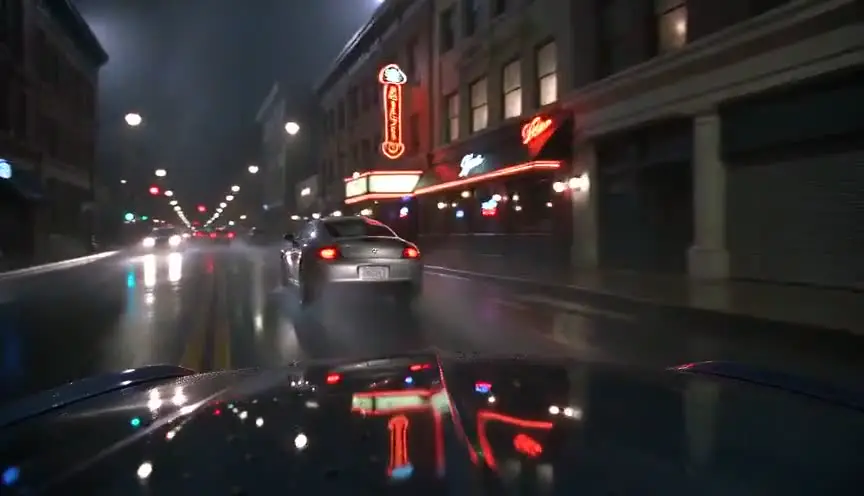
A truck shot slides the camera sideways, parallel to the subject or to a row of things, instead of toward or away from them. The audience travels beside the action like a passenger, watching the world scroll past.
Also calledTrucking shotLateral tracking shotCrab shotSide tracking shot
Camera movement
Why it works on screen
Use it when the story is about passage and accumulation. A character running, a line of faces, a street of shops, a corridor of doors: the lateral move lets each element take its turn in the frame, so the audience reads them one after another like a sentence. It serves journeys, parades, pursuits, satire of repetition and fights staged across a flat space. Because the camera keeps its distance, the shot feels observational rather than intimate. A scene earns it when the sequence of things matters, and when seeing them side by side says more than any single frame.
The shot list line
- Size
- Medium or full shot
- Angle
- Eye level, perpendicular to the path
- Movement
- Truck left or right on track, matching subject speed
- Lens
- 35mm to 50mm prime, or a longer lens to compress the background
- Duration
- 6 to 20 s
Keep the camera the same distance from the subject all the way, and mark the actor's start and end points on the floor so speeds match.
Screenplay
On the page
Spec scripts should not say "truck left". What you can do is describe movement along a line: a character walking past a series of places, a row of objects read one by one. The rhythm of those action lines suggests the lateral move. Keep it for scenes where the order matters. If you shoot your own script, put the direction, the track length and the speed in the shot list, since the dolly grip will need all three.
EXT. SPICE SOUK, MARRAKECH - LATE AFTERNOON
YOUSSEF (11, oversized football shirt) weaves along the stalls at a steady walk.
A pyramid of saffron. A tray of dates. A tourist's open handbag.
His hand passes over the handbag without slowing.
A pile of slippers. A caged songbird. A policeman eating an orange.
Youssef smiles at the policeman and keeps walking.
Storyboard
In the storyboard
Draw a wide horizontal panel, or two panels side by side, showing the start and end of the move. Draw a top-down strip below with the track running parallel to the subject's path and an arrow for the direction, labeled TRUCK LEFT or TRUCK RIGHT. Mark the key objects or people that pass through frame in order, with the second at which each appears. Note the lens and the distance to the subject.
Pairs well with
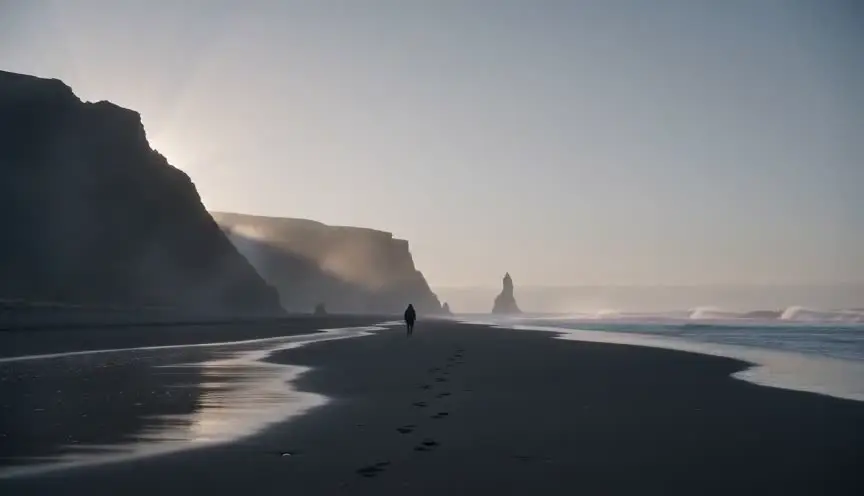
Show the whole street or corridor first, so the audience understands the layout. The truck shot then moves through that geography, and every object that slides past has a place on the mental map.
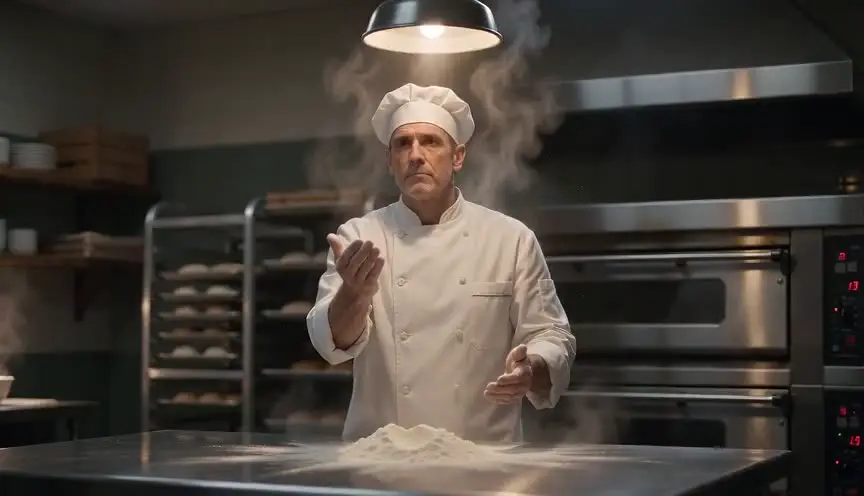
A long lateral move can end on a freeze frame when the character reaches their destination. The sudden stop after steady motion gives the last image the weight of a conclusion.
Reference
Watch it in
Weekend (1967)
Godard slides past an endless jam of stalled cars, honking and quarreling drivers, and the sideways move turns traffic into a joke about society.
The 400 Blows (1959)
The camera runs beside Antoine on his long escape toward the sea, keeping pace with him until the film stops on his face.
Oldboy (2003)
The corridor fight is filmed side-on in one sideways move, so the brawl scrolls across the screen like an old arcade game.
ScreenWeaver
Set it up in ScreenWeaver
Write the movement along a line in your screenplay, and ScreenWeaver breaks the scene down into shots automatically. Open the shot, set the framing to medium or full, the angle to eye level and choose a truck left or truck right as the movement. Give it a duration that fits the distance the character covers. Characters and the location carry from shot to shot, so the stalls, doors or cars stay consistent. Use the AI previsualization to check that the subject stays in frame.
Start writing for freeThe prompt behind this clip
This is the exact prompt that rendered the clip at the top of the page. Keep the description of the camera and the light, change the subject and the place.
Truck shot: the camera moves smoothly to the right at a walking pace, staying parallel to a row of glass-walled offices on a high floor of a modern office tower. A businesswoman in her fifties walks past floor-to-ceiling windows, her stride matching the camera's speed so she stays centered in frame. The framing holds steady with no zoom, the distance to the glass never changes, and reflections of clouds slide across the panels as the camera trucks past support beams and interior partitions. No text.
Common mistakes
- 01
Speed mismatch
If the actor walks faster than the dolly, they slip out of frame; slower, and the camera leaves them behind. Rehearse together and give the actor a clear pace reference.
- 02
A background with no rhythm
A truck shot past a blank wall gives the audience nothing to read. The move needs a background with texture, repetition or events that reward the travel.
- 03
Calling it a pan
A pan rotates on the spot, a truck physically moves sideways. On set, the wrong word gets you the wrong shot. Use precise terms in the shot list so the grip and operator agree.