Broad lightingAn open face, nothing held back
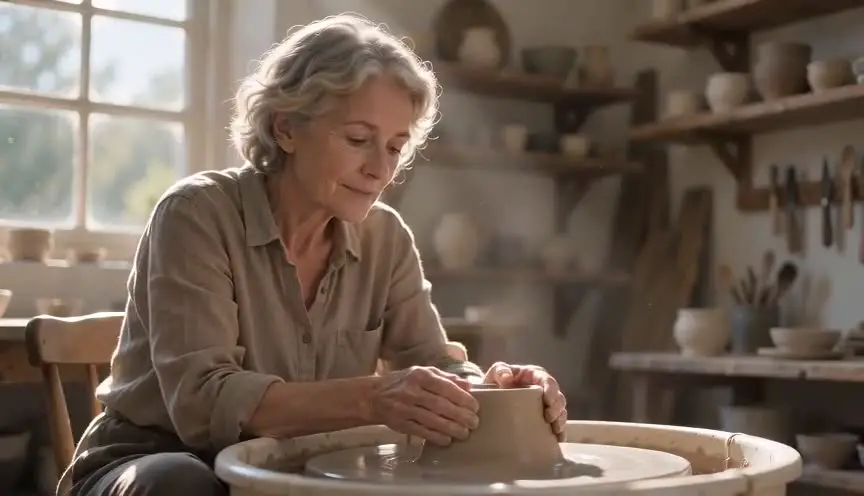
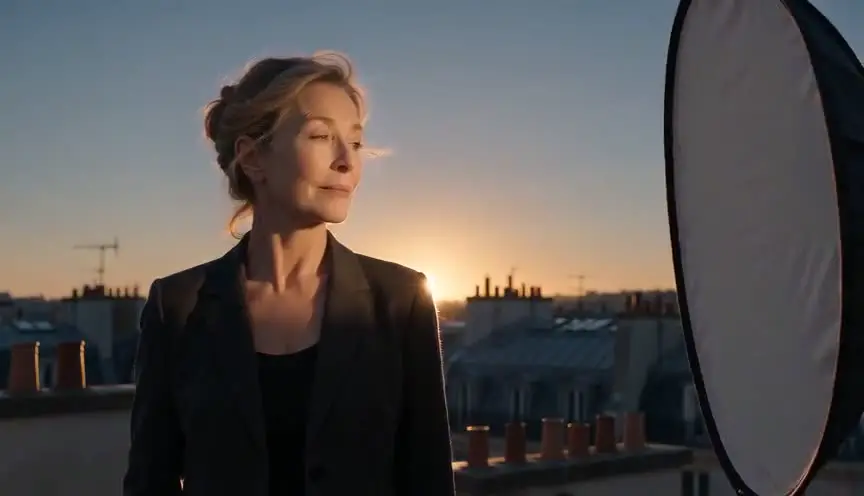
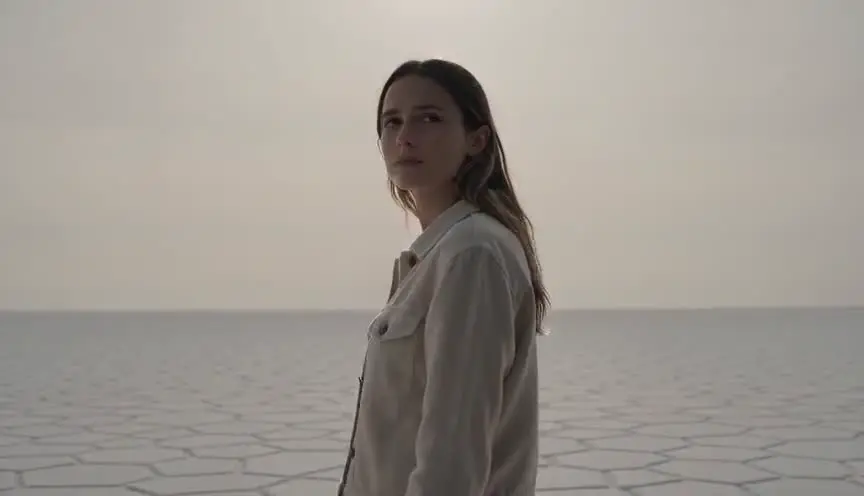
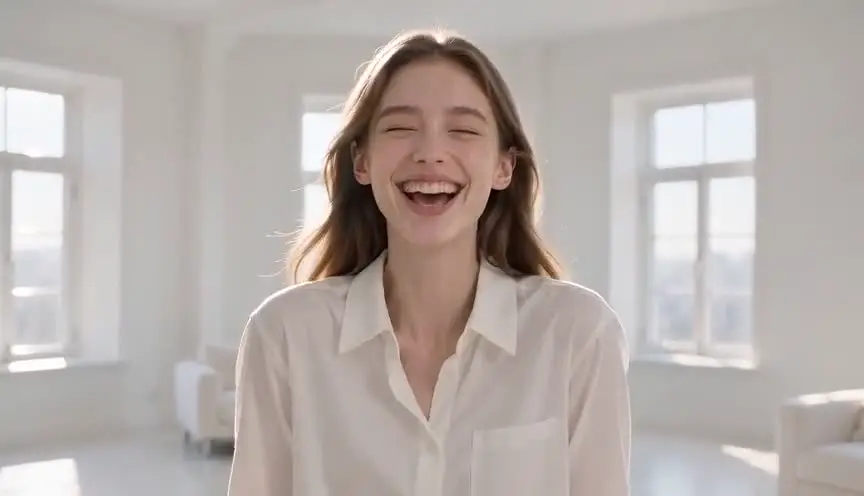
Broad lighting keys the side of the face turned toward the camera, so the widest, nearest part of the face is lit and the shadow falls on the far side. The face looks fuller, softer and more open, and the audience feels invited in.
Also calledBroad key lightingCamera-side lighting
Lighting
Why it works on screen
Use it when a character should feel approachable, candid or exposed. Broad lighting shows us most of the face, so it suits comedy, romance, family stories and scenes of honesty: a first date, a proud speech, a child explaining a plan, a person with nothing left to hide. It can also make someone look naive or vulnerable, lit up for everyone to see. A scene earns it when openness is the point, and it gains meaning when the same character is later short-lit in a scene where they start keeping secrets.
The shot list line
- Size
- Medium close-up
- Angle
- Eye level, slight three-quarter view
- Movement
- Static or slow push in
- Lens
- 50mm
- Duration
- 4 to 6 s
Place the key on the camera side of the face so the near cheek is fully lit; keep fill generous for a friendly look.
Screenplay
On the page
A screenplay should not name the lighting pattern. Write the source and where the character faces instead. A person turned toward the audience in a school hall, a window behind the camera, a stage light in front: these naturally lead to broad lighting. If the openness matters, show it in the behavior, a character who looks straight at others, who talks too much. The key side and the fill level go in the shot list.
INT. HIGH SCHOOL GYM - DAYTON, OHIO - DAY
Folding chairs, a banner that says ELECTION DAY, sunlight pouring through the high windows behind the bleachers.
DESMOND PRICE (17) stands at the microphone, notes shaking in his hand.
He skips the notes. He looks straight out at two hundred classmates.
In the front row, his little sister KEISHA (12) mouths the words along with him.
DESMOND
I don't have a slogan. I just want the vending machines fixed.
Storyboard
In the storyboard
Draw the face in slight three-quarter view and leave the near cheek, the one facing us, completely white. Shade only the far edge of the face and a little under the chin. Mark the key with a lamp symbol near the camera, on the same side as the lens, and show it in a small overhead diagram. Note "broad key" plus the ratio, and mention the window or practical that motivates it.
Pairs well with
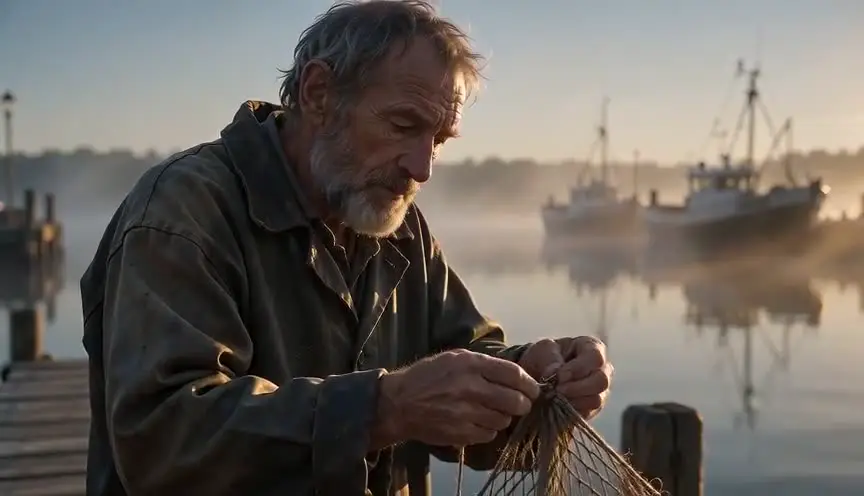
Switch to short lighting when the open character starts to hide something. The same face with the shadow suddenly toward the camera shows the change before the dialogue admits it.
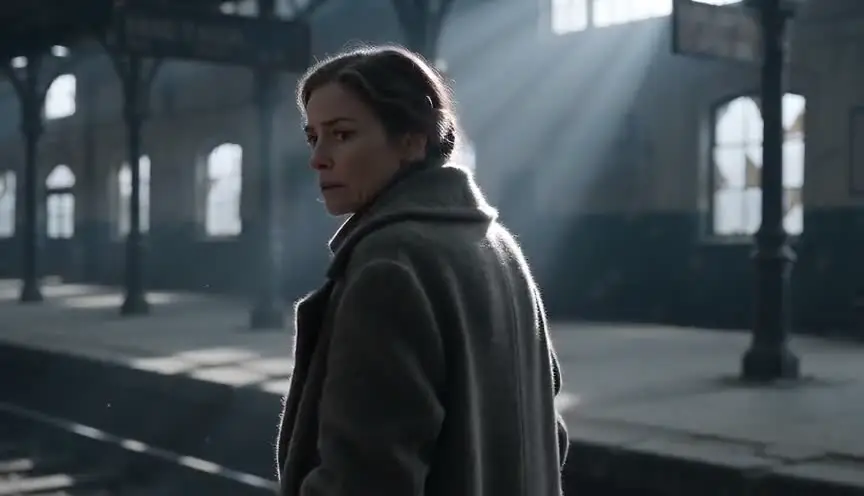
A medium close-up gives broad lighting space to show the whole face and some of the body, so the audience reads openness in posture as well as in the light.
Reference
Watch it in
Now, Voyager (1942)
The studio glamour close-ups of the heroine use a camera-side key that softens her features and keeps her face open and sympathetic.
Casablanca (1942)
At Rick's, Arthur Edeson lights the cheek Ingrid Bergman turns toward camera with a soft key, giving her close-ups an open, romantic glow.
ScreenWeaver
Set it up in ScreenWeaver
Write the scene with the source in front of or beside the audience's view, and ScreenWeaver breaks it down into shots automatically. Open the close-up, set a medium close-up in slight three-quarter view at eye level, a static or slow push-in movement and a duration that fits the line. Note "broad key" on the shot. The character carries through the sequence, so the AI previsualization lets you compare this open face with later, darker moments.
Start writing for freeThe prompt behind this clip
This is the exact prompt that rendered the clip at the top of the page. Keep the description of the camera and the light, change the subject and the place.
Broad lighting inside a padded recording studio booth. A man in his thirties with short curls sits close to a microphone, his face turned three-quarters away from the camera so the broad side of his face, the side nearest the lens, faces a large softbox placed just off camera at roughly forty degrees, evenly brightening that cheek while the far side falls into a soft, gentle shadow. A low fill light lifts the shadow just enough to keep detail visible. The camera stays locked off on a tripod, framing a close-up, while he speaks silently into the microphone with a calm expression, acoustic foam panels soft and out of focus behind him. No text.
Common mistakes
- 01
Wide face, flat look
Broad lighting can widen a round face and flatten features. Raise the key a little and let the far side fall off more so the face keeps some shape.
- 02
Using it for tense scenes
An open, fully lit face drains tension from a thriller beat. If the scene is about suspicion or fear, short lighting or a harder source will serve it better.
- 03
Mismatch in coverage
If one actor is broad-lit and the other short-lit without a reason, the audience feels a bias between them. Choose the pattern for each character on purpose.