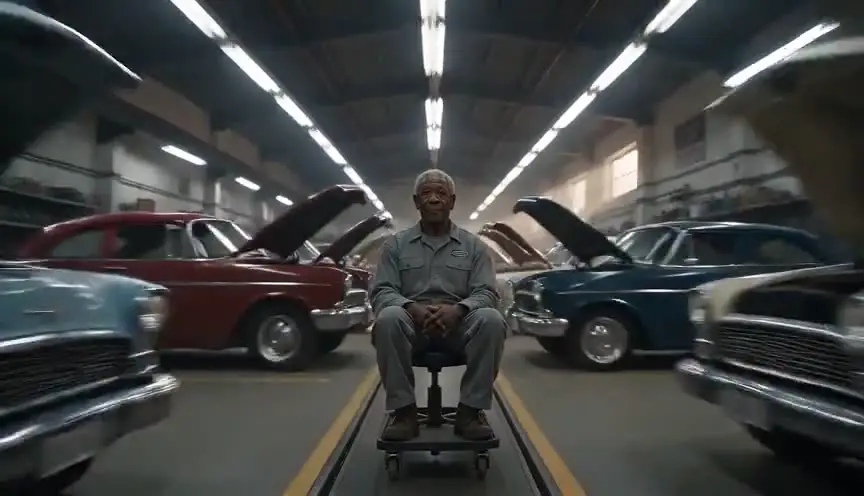
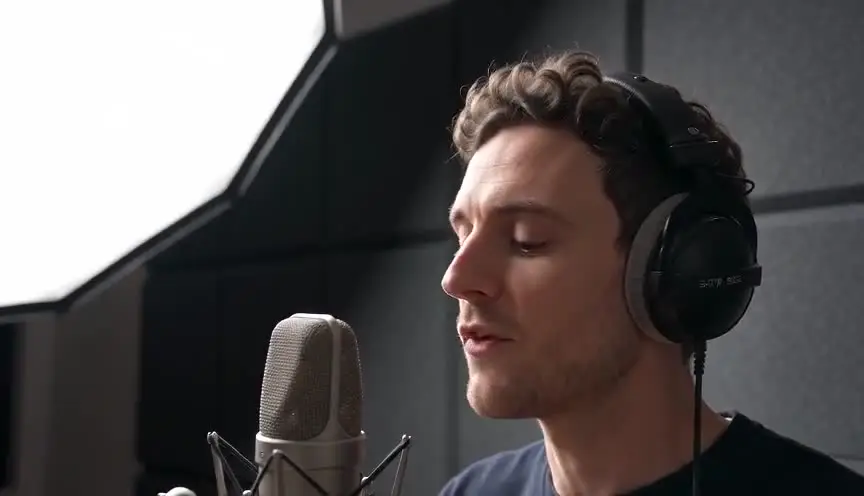
Medium close-upThe workhorse of dialogue
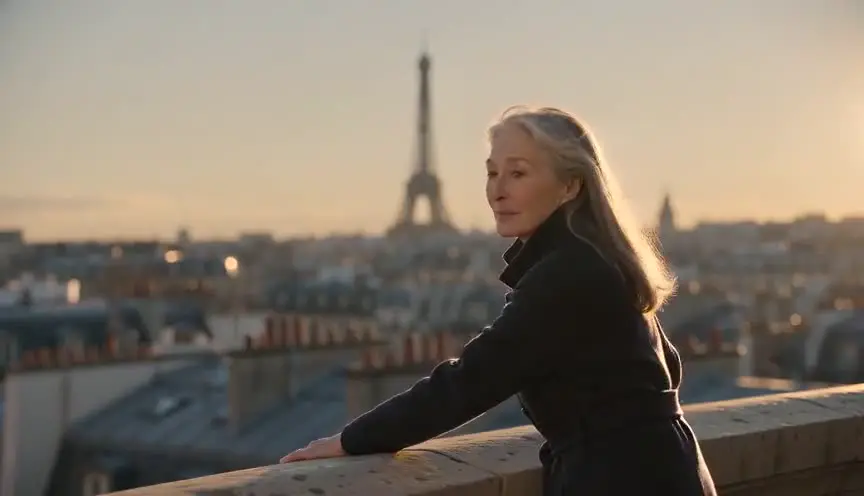
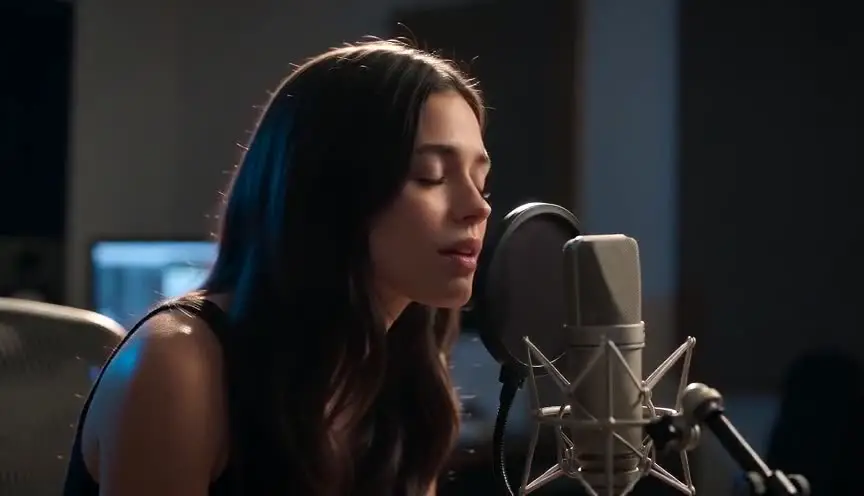
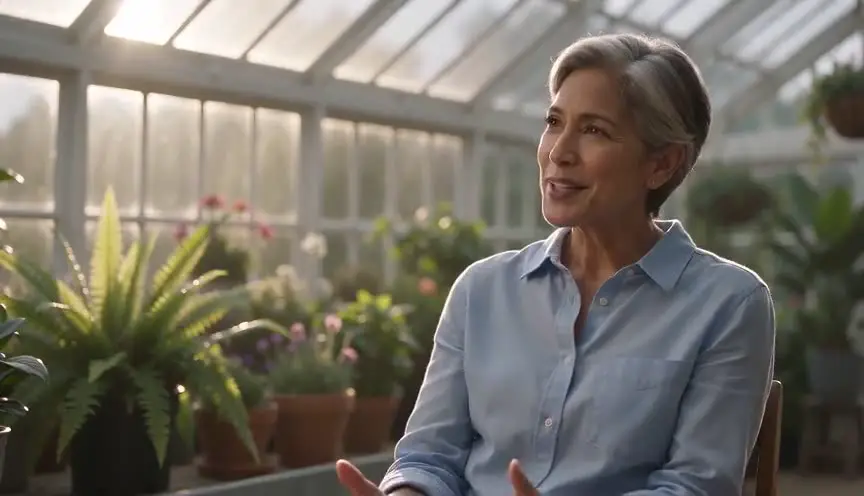
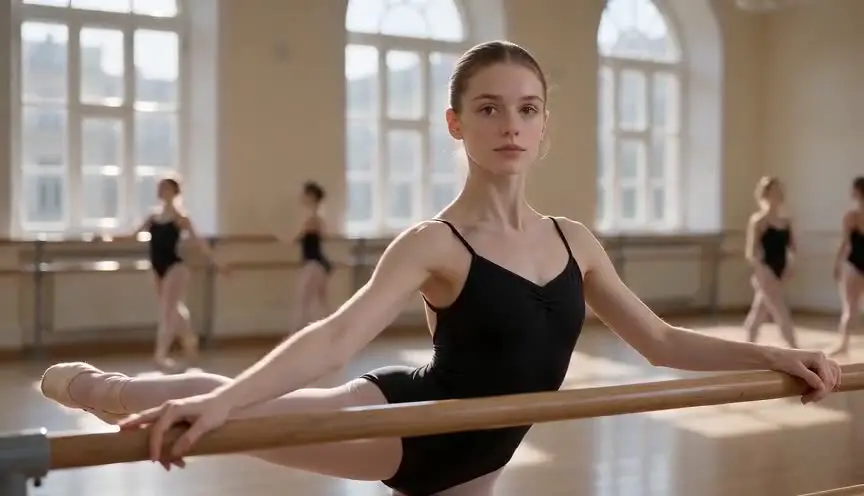
A medium close-up frames a character from the middle of the chest to just above the head. The audience reads the face clearly while still seeing posture, clothing and a hint of the room.
Also calledMCUChest shotBust shot
Shot sizes
Why it works on screen
It is the shot that carries most conversations. Close enough for thought and emotion, wide enough to show a shrug, a hand at the collar, a uniform or a badge. It serves dialogue, negotiation, testimony and quiet tension. It keeps the audience engaged without the intensity of a full close-up, so the director can save the tighter frame for the turning point. A scene earns it whenever the words matter and the audience needs to see who is speaking and how they are holding themselves. It suits interviews, arguments, confessions and every scene where people talk more than they move.
The shot list line
- Size
- Medium close-up
- Angle
- Eye level
- Movement
- Static, or a slight push on the key line
- Lens
- 50mm to 85mm
- Duration
- Length of the dialogue beat
Frame the bottom edge around mid-chest, leave a little headroom, and keep eyelines consistent across the reverse angles so the conversation reads.
Screenplay
On the page
The medium close-up is a coverage choice, not a writing choice, so it does not appear in a spec script. What helps the director is dialogue that is clearly about faces and reactions, and action lines that mention small gestures at chest level: a hand on a lanyard, arms folding, a pen tapping. Those details suggest the frame. The shot list is where MCU belongs, line by line.
INT. CHANNEL 9 NEWSROOM - MANILA - NIGHT
On air. Red light on camera two.
ANCHOR TERESA DELA CRUZ (41) reads the autocue, steady and warm.
In her earpiece, a producer's voice cracks. She keeps smiling. Her hand drifts to the lapel mic, fingers pressing it flat.
TERESA
We are receiving reports of flooding in Marikina. One of our own crews is there.
Storyboard
In the storyboard
Draw the character from mid-chest up, with the face in the upper third of the panel. Include hands if they enter the frame at chest height. Mark the eyeline with an arrow toward the other character and write their name at the frame edge. For a dialogue scene, draw the matching reverse panel beside it, same size and opposite eyeline, and number the lines each panel covers.
Pairs well with
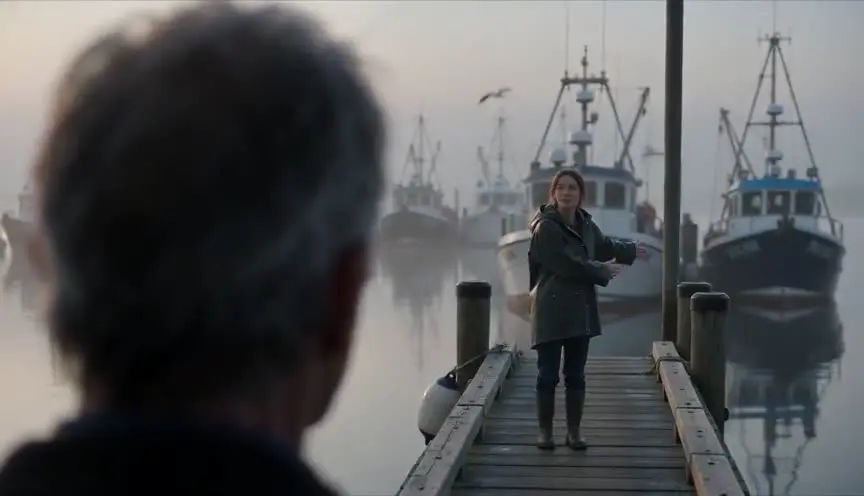
Over-the-shoulder shots establish the relationship and the space between speakers, then the medium close-up takes over for the lines where the face matters most.
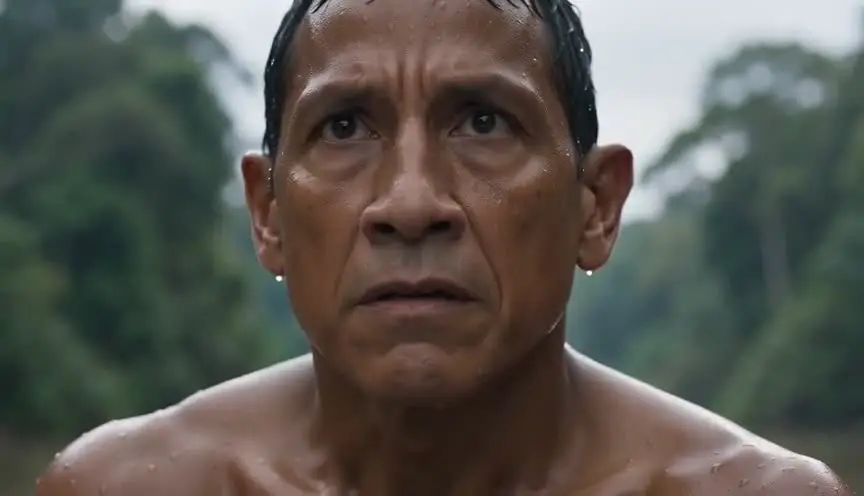
Moving from a medium close-up to a close-up on the scene's key line signals the emotional turn. The small jump in size tells the audience this moment is different.
Reference
Watch it in
12 Angry Men (1957)
In the cramped jury room, medium close-ups follow each juror's face through long exchanges, making the argument feel personal and claustrophobic.
The Social Network (2010)
Rapid conversations are covered mostly at chest height, so faces stay sharp and quick while suits, offices and dorms still read behind them.
ScreenWeaver
Set it up in ScreenWeaver
Write the dialogue and its small gestures, and ScreenWeaver breaks the scene down into shots automatically. Open each speaker's shot, set the framing to medium close-up at eye level, keep the movement static or a light push, and match the duration to the lines. The characters and the location carry from shot to shot, so both sides of the conversation share the same light and set. Review the rhythm of the exchange in the AI previsualization.
Start writing for freeThe prompt behind this clip
This is the exact prompt that rendered the clip at the top of the page. Keep the description of the camera and the light, change the subject and the place.
Medium close-up of a middle-aged woman in a worn wool coat standing on a cracked platform inside an abandoned train station, framed from mid-chest up with an 85mm lens at f/2.8 keeping her face sharp while rusted signage and broken windows blur softly behind her. Dust drifts through a shaft of pale daylight. The camera holds steady with only a faint handheld breathing motion as she slowly turns her head toward an approaching sound off frame. No text.
Common mistakes
- 01
Mismatched sizes
If one speaker is framed at mid-chest and the other at the collarbone, the conversation feels unbalanced. Keep reverse angles at the same size unless a shift is intentional.
- 02
Awkward crop lines
Cutting the frame at a joint, like the elbows, looks accidental. Place the lower edge between joints, at mid-chest, for a clean composition. Check the bottom edge on every reverse angle as well, so both speakers are cropped the same way.
- 03
Never moving closer
Staying at medium close-up for the whole scene can make the peak moment feel like every other line. Plan where the scene will tighten. Decide in the shot list which line earns the close-up, and keep the rest at medium close-up.