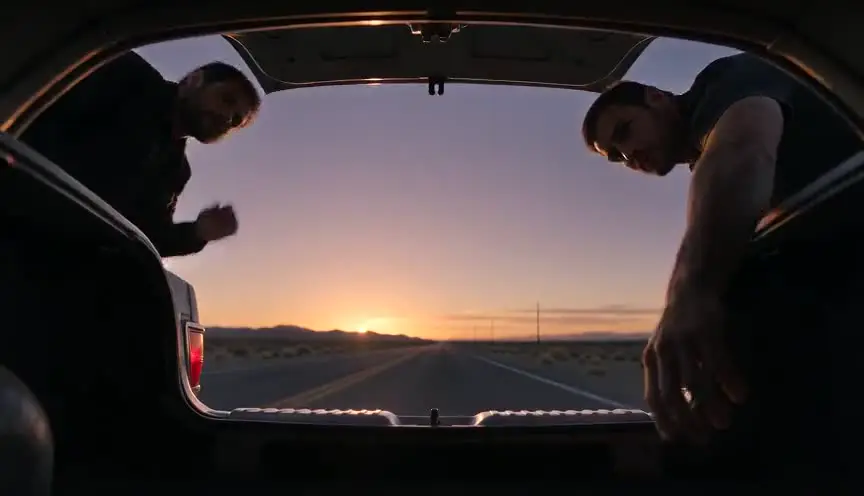
Insert shotThe detail the story depends on
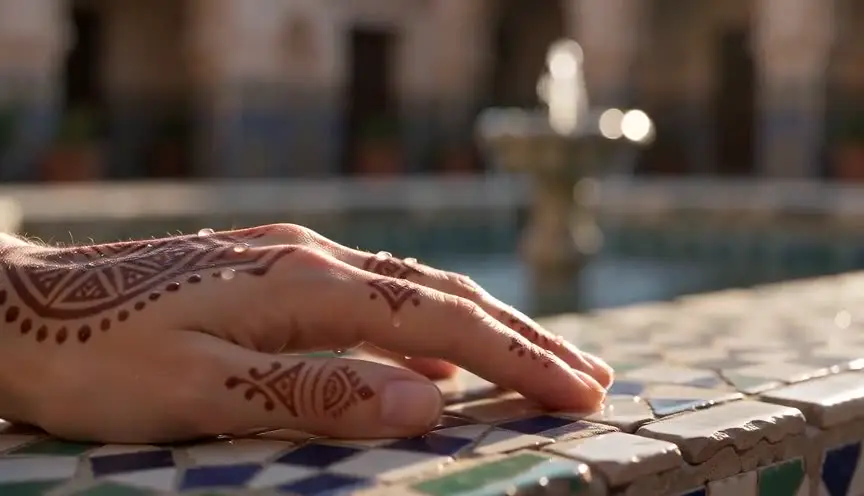
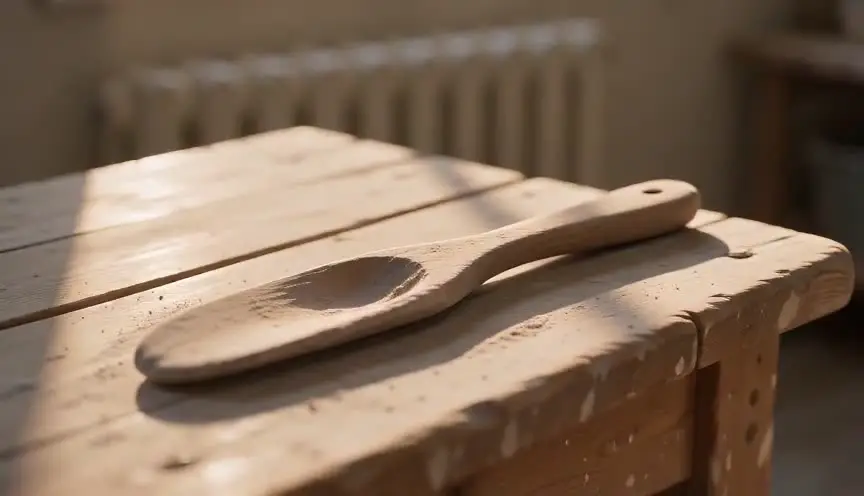
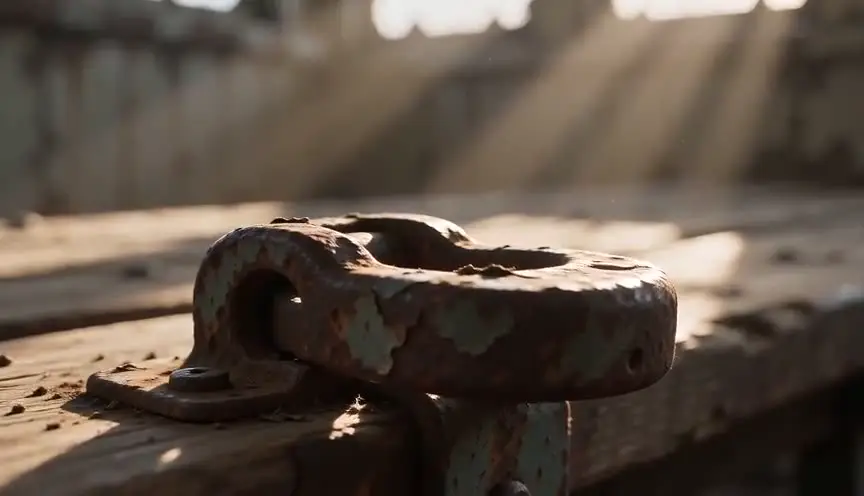
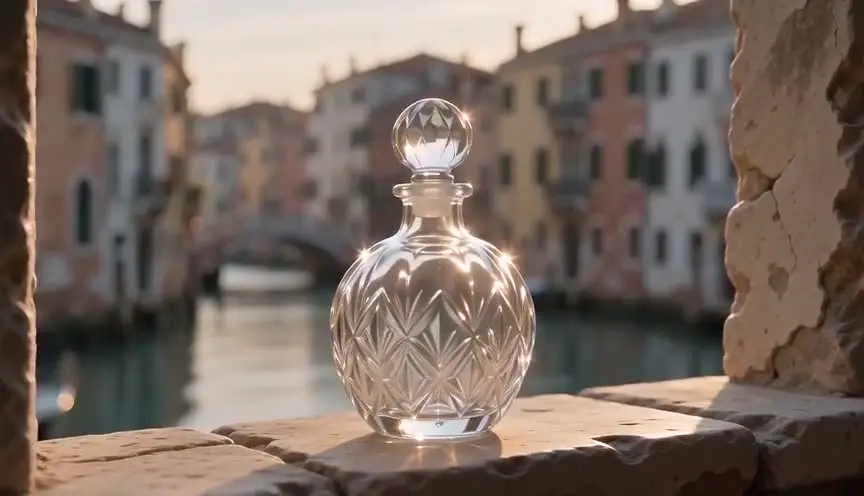
An insert shot cuts to a close view of an object, a document, a screen or a hand in action, taken from within the scene. The audience receives a piece of information they must remember, often before the characters understand it.
Also calledInsertDetail shotObject shot
Shot sizes
Why it works on screen
Inserts carry plot. A key slipped into a pocket, a text message on a phone, a date circled on a calendar, a pill dissolving in a glass: the insert makes sure the audience sees it. It serves suspense, clues, irony and setup and payoff. It can also give a scene texture, the ritual of making tea, the gesture of a craftsman, which tells us who a character is without words. A scene earns it when an object will matter later, or when the audience needs to know something a character does not. Chekhov's gun usually arrives in an insert.
The shot list line
- Size
- Insert, close-up of the object
- Angle
- Matched to the character's point of view, often high
- Movement
- Static
- Lens
- 50mm macro to 100mm macro
- Duration
- 1 to 3 s, longer if text must be read
Match the hand, costume and lighting of the main scene, and hold long enough for the audience to read any text twice.
Screenplay
On the page
INSERT is one of the few shot terms accepted in spec scripts, because it tells the reader to look at something specific. Use it for text the audience must read (a letter, a screen) or an object the plot depends on, then return with BACK TO SCENE. Use it sparingly, only when the detail matters to the story. Elsewhere, isolating the object in its own action line is enough. Lens and lighting go in the shot list.
INT. RIAD ZITOUNA - COURTYARD - MARRAKECH - NIGHT
Fountain trickling. Lanterns swaying.
YOUSSEF EL AMRANI (34) hands a heavy iron key to the guest, AMÉLIE ROUX (29), with a polite smile.
INSERT - THE KEY
The tag reads room 7. But the key's teeth have been freshly filed, bright metal against old rust.
BACK TO SCENE
Amélie thanks him and climbs the stairs. Youssef watches her go.
Storyboard
In the storyboard
Draw the object large in the panel, with any text or detail clearly written so the art department can prepare it. Include a hand if the character is touching it, with the costume sleeve matching the main shot. Note the lens, the angle and the duration. Add a small arrow or circle on the detail the audience must notice, such as the filed teeth of a key.
Pairs well with

After an insert reveals a clue, a reaction shot shows whether the character has noticed it. The gap between what the audience knows and the character knows creates suspense.
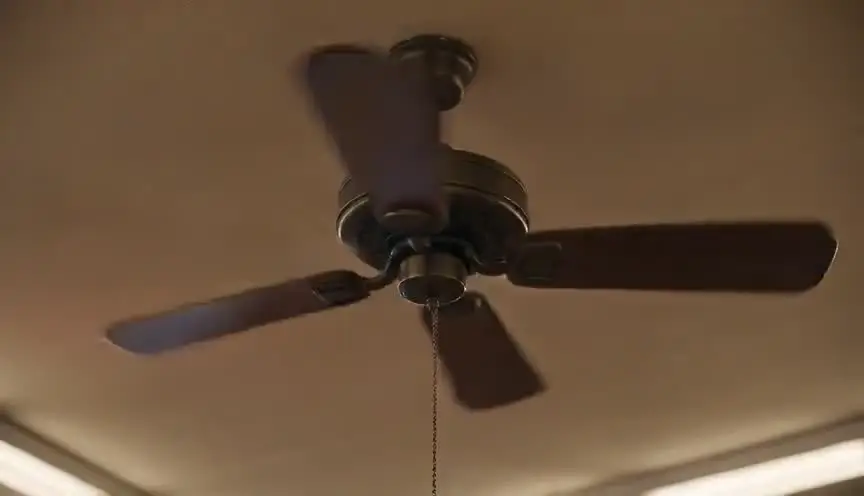
An insert on an object can lead into a match cut to a similar shape in a new scene, turning the detail into a bridge between times or places.
Reference
Watch it in
Pulp Fiction (1994)
Close views of the briefcase, the gold watch and other small objects punctuate scenes and give the audience puzzles to decode.
No Country for Old Men (2007)
Tight views of the tossed coin at the gas station and the tracking device hidden in the money let objects drive the suspense.
ScreenWeaver
Set it up in ScreenWeaver
Write INSERT with the object before BACK TO SCENE, and ScreenWeaver breaks it down into its own shot automatically. Open the insert, set a close framing, choose the angle from the character's point of view, keep it static and give it a short duration. The props and the characters carry from shot to shot, so the object and the hand holding it match the scene around them. Check in the AI previsualization that the detail reads.
Start writing for freeThe prompt behind this clip
This is the exact prompt that rendered the clip at the top of the page. Keep the description of the camera and the light, change the subject and the place.
Insert shot of a cluster of dark purple grapes hanging on a vine in a vineyard, close-up framing that fills most of the frame with the fruit and a few surrounding leaves. The camera is locked off on a tripod, completely static. Low golden autumn light rakes across the grapes from the side, depth of field is shallow so rows of vines blur softly behind. A light breeze stirs one leaf at the edge of frame while the grapes stay still, and a drop of dew slowly slides down the skin of a single grape. No text.
Common mistakes
- 01
Inserts that mean nothing
Cutting to objects for decoration dilutes the ones that matter. If an insert does not carry information or character, remove it. Each insert should earn its place in the story.
- 02
Mismatched continuity
Inserts are often shot later, on a table, by a second unit. Check the hand, sleeve, lighting and prop state match the main scene. A continuity photo from the main unit saves hours of guessing.
- 03
Text too short on screen
If the audience cannot read the letter or the screen, the insert fails. Hold long enough to read it twice at normal speed. Test it on the smallest screen your audience will use.