Breaking the fourth wallA character who knows you're there
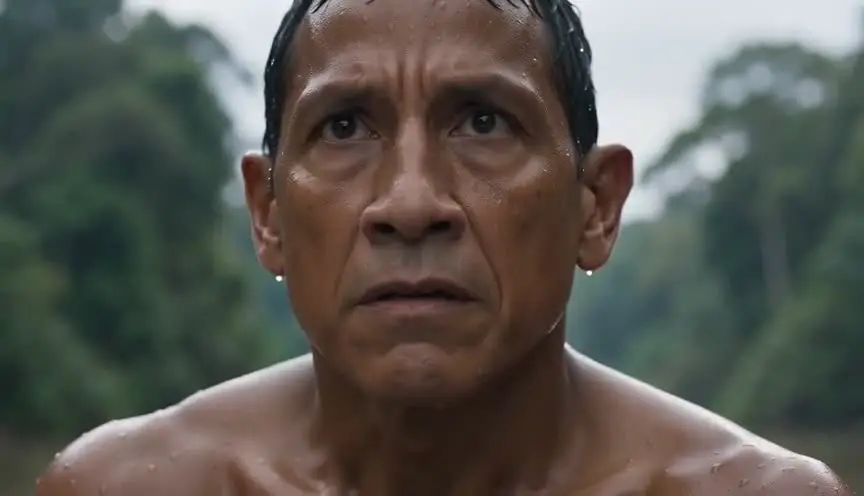
Breaking the fourth wall means a character looks straight into the lens and speaks to, or simply acknowledges, the audience. The invisible barrier between film and viewer drops, and the audience becomes a confidant, an accomplice or a witness under accusation.
Also calledDirect addressLooking into the lensCamera address
Camera angles
Why it works on screen
Direct address changes the relationship. A character who talks to us shares secrets, jokes and schemes the others cannot hear, which makes comedy intimate and narration personal. Held silently, a look into the lens can accuse the audience, ask for help or reveal that the character sees through the story. It serves complicity, confession, satire, unreliable narration and sudden moral weight. A story earns it when the character's voice is the point, when they have a particular view of their world, or when a single look into the lens at the end can reframe everything that came before.
The shot list line
- Size
- Medium close-up
- Angle
- Eye level, actor's eyeline straight into the lens
- Movement
- Static, or a slight push in during the address
- Lens
- 35mm to 50mm
- Duration
- 2 to 10 s
Have the actor look directly into the center of the lens, not beside it, and rehearse the turn so it lands on a clear beat.
Screenplay
On the page
This is a performance choice, so it belongs in the screenplay. Write it plainly: the character turns to camera, or speaks "to us". A parenthetical like (to camera) is standard and clear. Establish the device early if it will recur, so the audience learns the rule, and keep each aside short. For a single, silent look at the end, one action line is enough. How the lens meets the actor's eyes and how long to hold is for the shot list.
INT. TAXI, AVENIDA CORRIENTES, BUENOS AIRES - NIGHT
Rain on the windshield. A tango station hissing on the radio.
In the back, a young couple argue in whispers about a ring.
The driver, OSVALDO (60s), catches their eyes in the mirror, then turns and looks straight at us.
OSVALDO
(to camera)
Thirty-one years driving. She will say yes before Callao.
He turns back to the road and signals left.
Storyboard
In the storyboard
Draw the character facing the viewer directly, both eyes centered and looking out of the panel. Mark the eyeline with a short arrow pointing straight at the reader and write "to lens". If the character turns from the scene to the camera, draw two panels: first looking at another character, then facing out. Note the line spoken, the duration of the look, and whether other characters freeze, keep going or notice.
Pairs well with
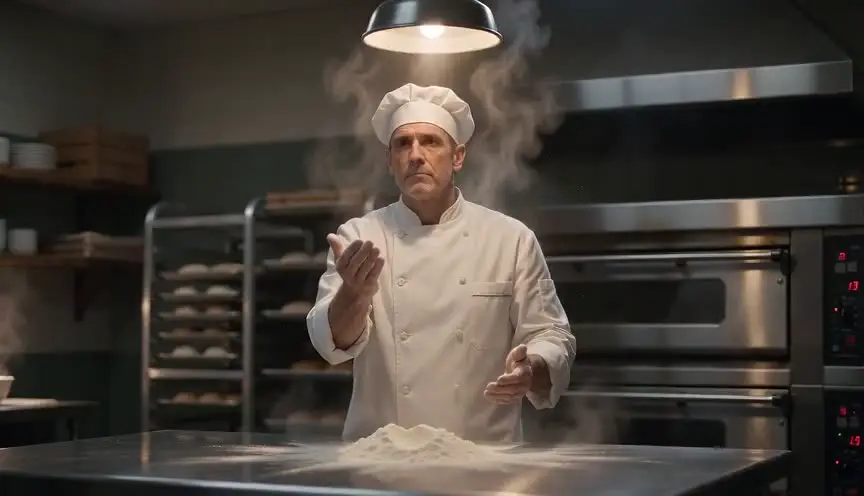
Freeze the action around the character just before they turn to the lens. The world stops while the aside happens, which makes clear the audience is getting privileged, private access.

After the direct address, cut to another character who caught the strange look. Their puzzled reaction plays the comedy or tension of the aside back inside the story.
Reference
Watch it in
Ferris Bueller's Day Off (1986)
Ferris keeps turning to the lens to explain his schemes, turning the audience into his partners in crime from start to finish.
Annie Hall (1977)
Alvy Singer talks straight to the camera from the opening and throughout, making the whole film play like a personal confession.
Deadpool (2016)
The hero talks to the audience over and over for laughs, puncturing the usual seriousness of the superhero action film.
ScreenWeaver
Set it up in ScreenWeaver
Write the address in your screenplay with a (to camera) parenthetical, and ScreenWeaver breaks the scene down into shots automatically. Open that shot, set the framing to a medium close-up, the angle to eye level with the character facing the lens, keep the movement static or a slight push in, and set a duration that fits the line. The character and the location carry from the shots around it. Use the AI previsualization to time the turn toward the lens.
Start writing for freeThe prompt behind this clip
This is the exact prompt that rendered the clip at the top of the page. Keep the description of the camera and the light, change the subject and the place.
Breaking the fourth wall: in a dim jazz club with a small stage and warm amber stage lights behind, a middle-aged woman bartender in a black vest stops wiping a glass, pauses, and turns her head to look directly into the camera lens at eye level, holding the gaze with a knowing half-smile. The camera is locked off on a 50mm lens, completely static, shallow depth of field blurring the tables and a saxophonist behind her into soft warm bokeh. No text.
Common mistakes
- 01
Breaking it once by accident
A single direct look in a film that never used it can feel like a continuity error. Either set up the device early or make the one moment clearly deliberate.
- 02
Asides that explain the plot
Using direct address to deliver exposition wastes it. Give the character opinions, jokes or confessions, not information the scene could show.
- 03
Eyes beside the lens
Looking just off the lens reads as looking at a crew member. The eyes must hit the center of the lens, which takes practice for actors used to avoiding it.