24mm wide lensCharacters and their world together
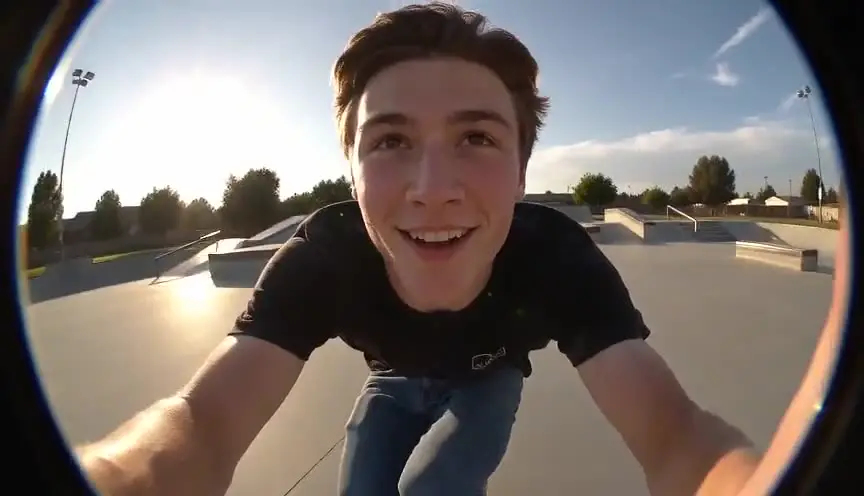
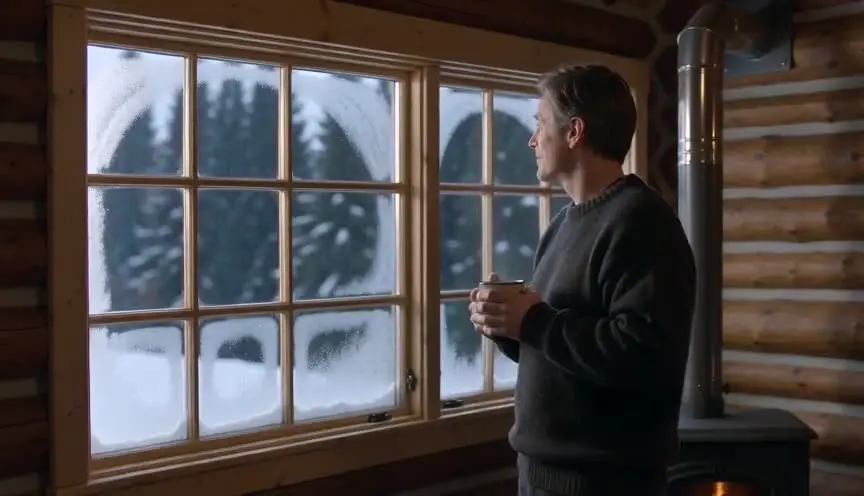
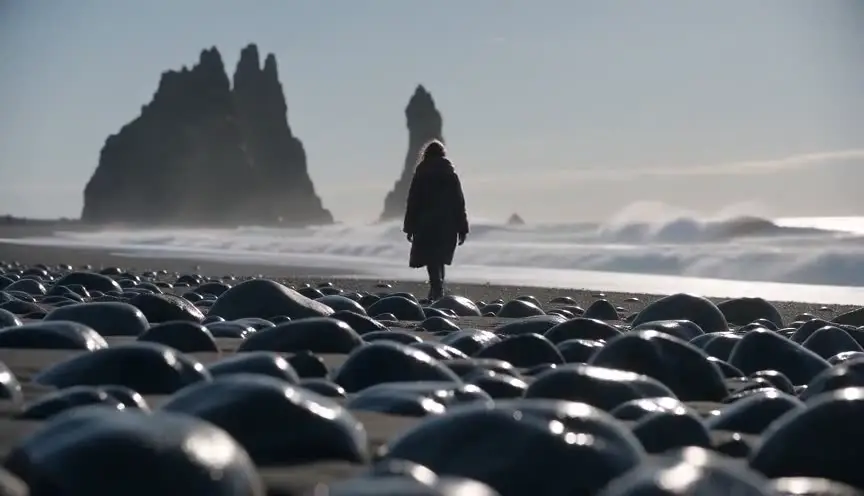
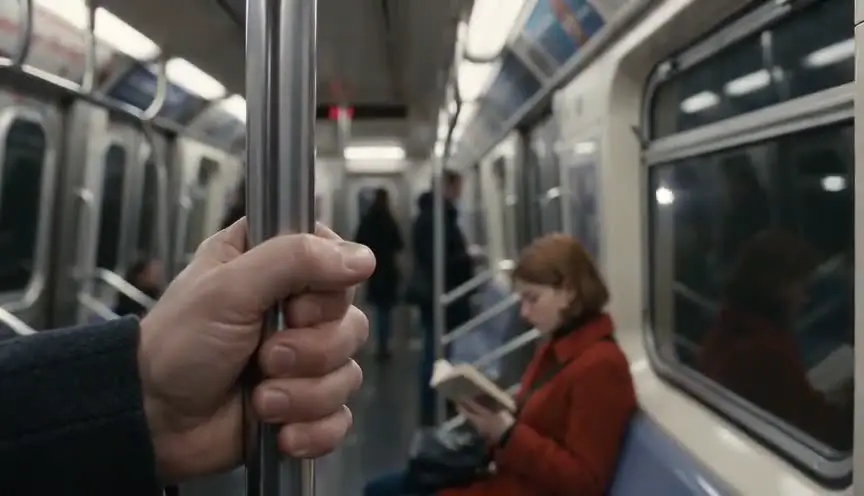
A 24mm lens sees wider than the human eye without the heavy distortion of an ultra-wide. It keeps a character and a large part of their surroundings sharp in the same frame, so the audience feels close to the action and aware of the place at once.
Also called24mm primeWide-angle lens
Lenses and optics
Why it works on screen
The 24mm is the lens of busy rooms and moving cameras. It lets the audience follow a character through a crowded wedding, a kitchen in full service or a street protest while seeing everyone around them. It serves ensemble scenes, energy, chaos, belonging and the feeling of being swept along. Close to a face, it adds a slight tension and presence; farther away, it shows how a person fits into their world. A scene earns it when the place and the people in it matter as much as the lead, and when the camera needs to move among them.
The shot list line
- Size
- Medium shot moving through a crowd
- Angle
- Eye level
- Movement
- Steadicam or gimbal following the character
- Lens
- 24mm prime
- Duration
- 6 to 15 s
Stay close to the lead so her face remains readable while the crowd fills the frame around her, and stop down for deep focus.
Screenplay
On the page
Do not write focal lengths in a spec script. Instead, write the density and energy that a wide lens will capture: a hall full of guests, a character moving through a crowd, several things happening at once around them. Short, active sentences suggest a moving camera among people. The lens itself is a choice for the director and cinematographer. Put it in the shot list and the look book, where it guides coverage without weighing down the page.
INT. WEDDING HALL - CHENNAI - NIGHT
Five hundred guests. Drums. Children weaving between tables with plates of sweets.
KAVYA RAMAN (29, the bride's older sister, silk sari, phone pressed to her ear) pushes through the crowd toward the stage.
An uncle grabs her arm to bless her. An auntie hands her a baby. She hands it back.
KAVYA
(into phone)
Where is the groom? The priest is waiting.
On the stage, the bride sits alone, smiling hard.
Storyboard
In the storyboard
Draw the character large in the middle ground and fill the space around her with people and objects at different distances, all readable. Show slight perspective stretch toward the panel edges. Add a curved arrow for the camera's path through the crowd, and number the moments where the character meets someone. Note 24mm, deep focus and the approximate distance between camera and lead. Draw an end frame if the move reaches a new space.
Pairs well with
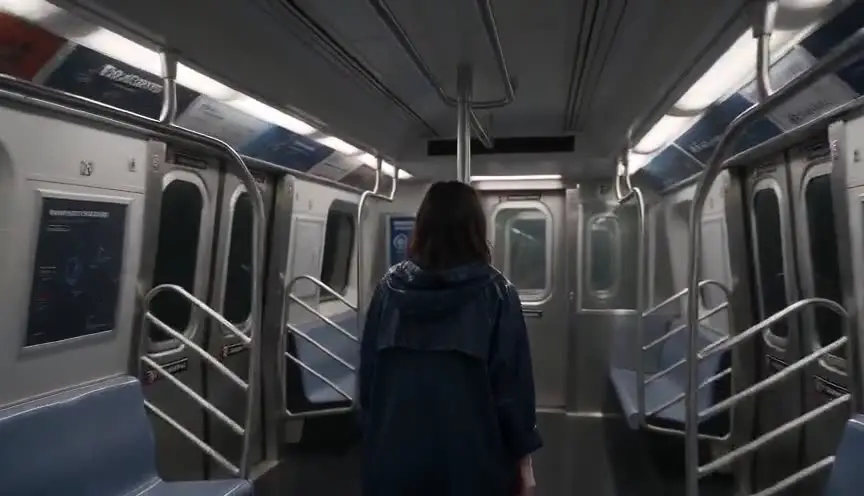
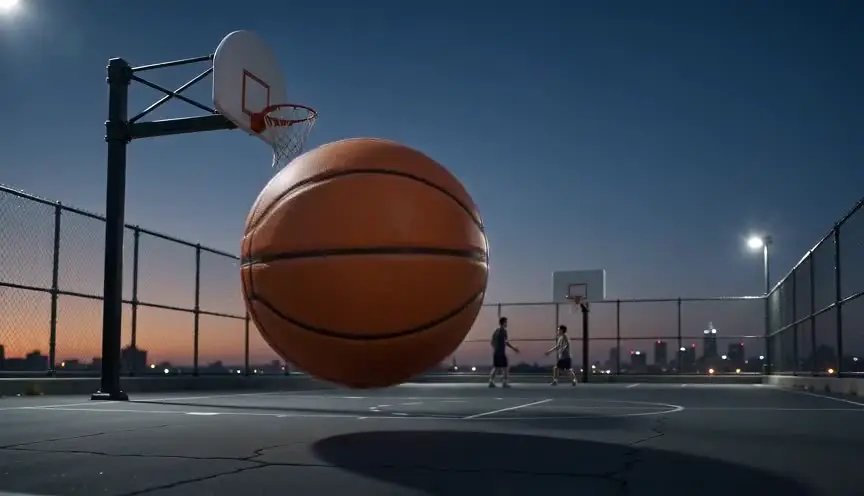
A 24mm on a Steadicam is a classic combination for moving through crowded spaces. The wide field forgives small framing drift and keeps the world visible around the lead.
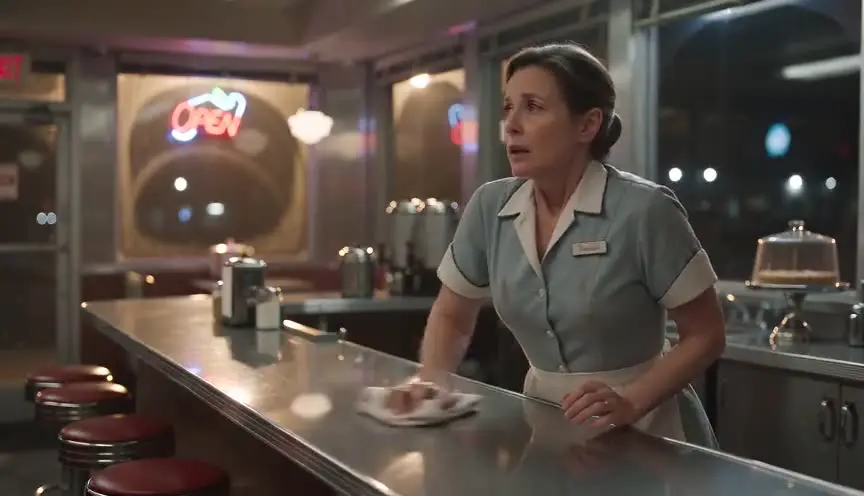
After a busy 24mm sequence, move to a 50mm for a quieter, closer moment. The change in perspective marks the shift from the world to a single conversation.
Reference
Watch it in
Goodfellas (1990)
Scorsese liked wide lenses around 24 to 28mm for the tracking shots through packed rooms, keeping people and place equally present.
Citizen Kane (1941)
Gregg Toland paired 24mm wide lenses with small apertures for deep focus rooms, so near faces and distant action are sharp together.
ScreenWeaver
Set it up in ScreenWeaver
Write the crowd and the character's path through it in your action lines, and ScreenWeaver breaks the scene down into shots automatically. Open the shot, set a medium shot at eye level, choose a following movement such as a Steadicam or gimbal move and a duration long enough for the journey, and note the 24mm lens. Characters and locations carry from shot to shot, so the extras and the hall stay consistent. The AI previsualization lets you check the path and the framing before the shoot.
Start writing for freeThe prompt behind this clip
This is the exact prompt that rendered the clip at the top of the page. Keep the description of the camera and the light, change the subject and the place.
24mm wide lens, camera held at chest height about four feet from a food vendor at a night market in Taipei, steam rising from a hot pan in the foreground while strings of red lanterns and a crowd of shoppers stretch deep into the background, all planes staying sharp. The vendor flips food with a metal spatula, the camera drifts slowly forward at a steady pace, edges of the frame showing mild perspective stretch on the nearest stall corners. No text.
Common mistakes
- 01
Standing too far back
A 24mm from across the room makes the lead small and the scene flat. Get close to the character so the lens creates presence and depth.
- 02
Faces at the edges
Even at 24mm, faces near the frame edges stretch a little. Keep important faces toward the center, especially in close shots.
- 03
Shallow focus on a wide lens
Opening the aperture fully on a 24mm can blur the crowd you wanted to show. Choose the depth of field on purpose for what the scene needs.