Dirty frameShot from inside the room
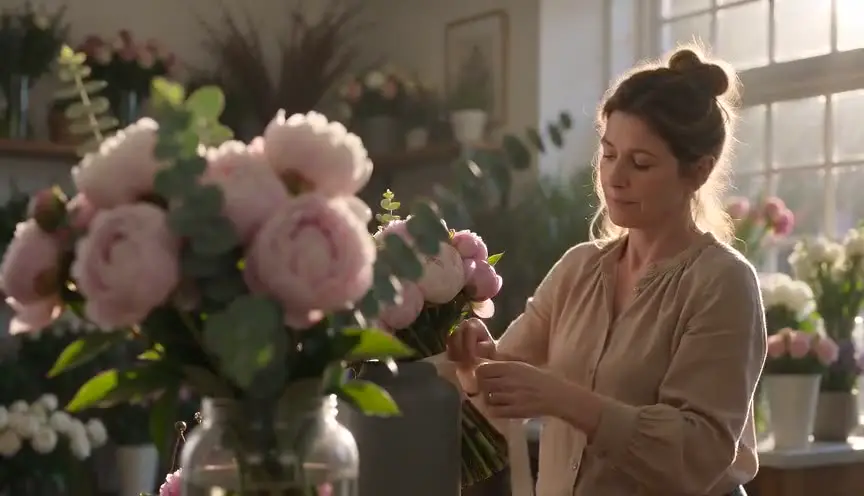
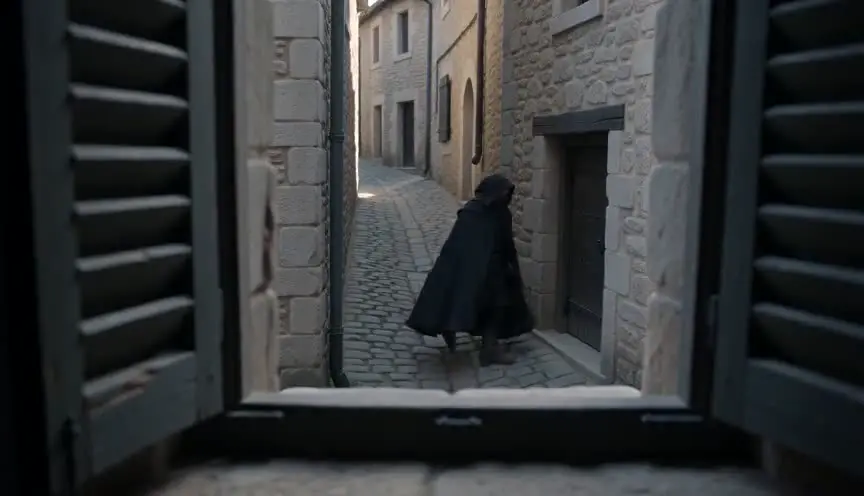
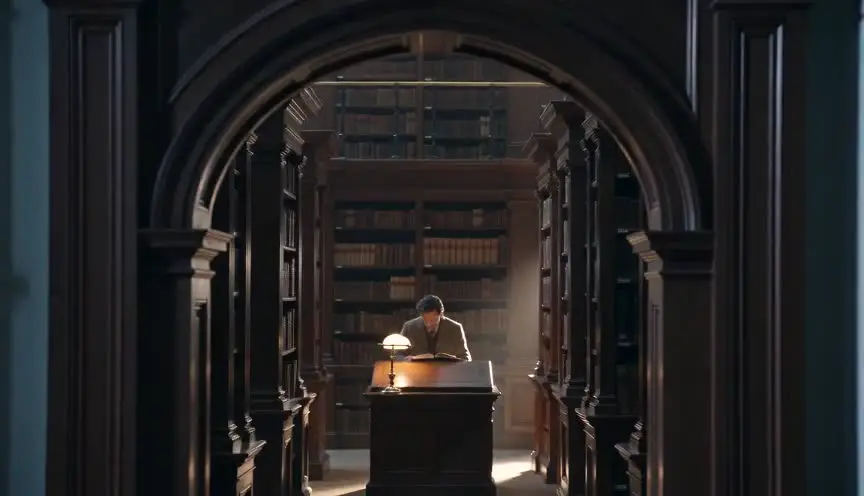
A dirty frame shoots past an out-of-focus element close to the lens, such as a shoulder, a doorframe, a lamp or a passing body. The audience feels physically present in the scene, as if they were standing among the characters or listening in.
Also calledDirty framingForeground obstructionShooting through foreground
Composition
Why it works on screen
A clean single isolates a character. A dirty single keeps them connected to the space and to the other people in it. In dialogue, a slice of the listener's shoulder reminds the audience that someone is receiving each line. Shot through bottles or a crowd, a scene becomes eavesdropping. Use dirty frames for tension between two people, crowded places, conspiracies, documentary realism and chaos. A scene earns them when presence matters more than polish, and when the audience should feel that a hidden observer is close.
The shot list line
- Size
- Medium close-up past a foreground shoulder
- Angle
- Eye level
- Movement
- Static or subtle handheld
- Lens
- 50mm to 85mm
- Duration
- 4 to 7 s
Keep the foreground shape soft and dark, cover no more than a quarter of the frame, and never let it cross the speaker's eyes.
Screenplay
On the page
A dirty frame is coverage style, and the screenplay should not mention it. What you can write is density and closeness: a crowded bar, people leaning in to hear each other, a secret spoken over the noise. That tells the director the scene is intimate and busy. If an observer overhears, write them into the scene. The choice of foreground, its distance to the lens and the focus belong in the shot list.
INT. IZAKAYA - SHINJUKU - LATE NIGHT
Packed counter. Smoke from the grill. Salarymen shoulder to shoulder.
At the far end, HARUKA MORI (30s, reporter's lanyard tucked into her coat) leans toward an older man, ISAMU TAKEDA (60s), who keeps his eyes on his beer.
ISAMU
The inspections were signed before anyone went up the tower.
Behind them, a young man in a suit stops eating and listens.
Haruka slides a card under Isamu's glass.
Storyboard
In the storyboard
Draw a large, soft-edged shape along one side of the panel, such as a shoulder, a bottle or a doorframe, and hatch it lightly to show it is out of focus. Place the subject sharp in the remaining space. Label the foreground element and its distance, for example shoulder at 50 cm. If people pass through the frame, add a dotted arrow for their path. Note the lens and the eye level, and match the reverse panel.
Pairs well with
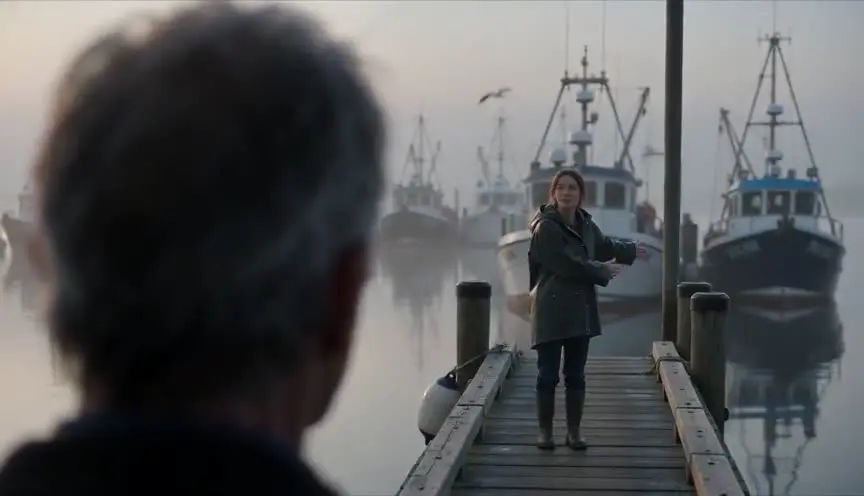
The over-the-shoulder is the most common dirty frame. Start a dialogue with it, then remove the shoulder for clean singles when the characters grow apart emotionally.
Switching from dirty to clean frames isolates a character. The loss of the foreground presence feels like the world dropping away around them.
Reference
Watch it in
The Godfather (1972)
Interiors are often filmed past door jambs, shoulders or hanging lamps, which gives the frames weight and the feeling of listening in.
Children of Men (2006)
The long takes keep pushing blurred people and debris through the foreground, so the chaos feels close, crowded and physical.
ScreenWeaver
Set it up in ScreenWeaver
Write the crowd or the closeness into your action lines, and ScreenWeaver breaks the scene down into shots automatically. Open the shot, set a medium close-up at eye level, framed past a soft foreground element, with a static or subtle handheld movement and a duration that fits the line. Characters and locations carry from shot to shot, so the foreground shoulder belongs to the right person in the reverse. The AI previsualization helps you balance how much foreground to keep.
Start writing for freeThe prompt behind this clip
This is the exact prompt that rendered the clip at the top of the page. Keep the description of the camera and the light, change the subject and the place.
Dirty frame shot in a 1930s hotel lobby with marble floors and brass fixtures. In the extreme foreground, a bellhop's blurred shoulder and the edge of a potted palm frond fill the left third of the frame, completely out of focus from a wide 50mm aperture. Deep in the background, in sharp focus, a woman in a long coat crosses the lobby toward the front desk, her footsteps unhurried. The camera stays locked off on a tripod, static, letting the crossing figure move while the soft foreground obstruction never shifts. Warm tungsten light glows from wall sconces. No text.
Common mistakes
- 01
Foreground covering the eyes
If the soft shape crosses the speaker's eyes at the key line, the shot loses the performance. Rehearse the actors' movement and adjust the camera.
- 02
Sharp foreground clutter
An object in focus near the lens pulls attention from the character. For a dirty frame, keep the foreground soft and dark unless it has meaning.
- 03
Wrong shoulder in the reverse
Dirty singles must match the geography. If the foreground shoulder belongs to the wrong side, the audience loses track of where people sit.