Lead roomSpace to look into, room to go
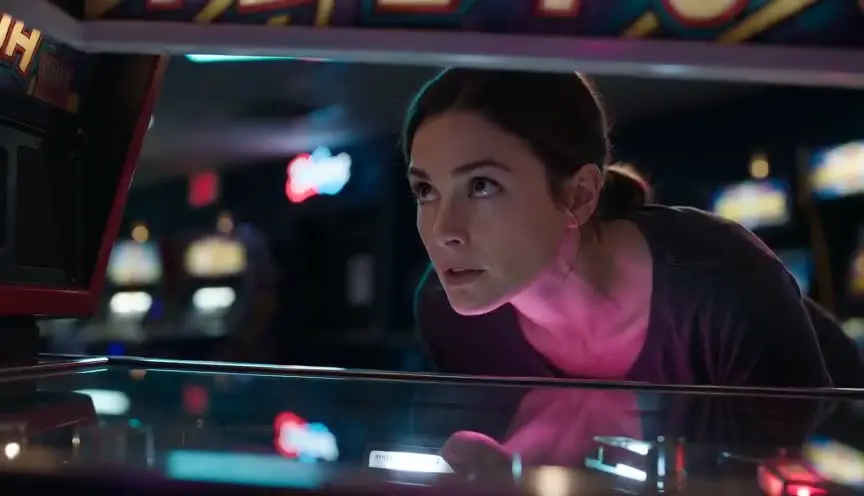
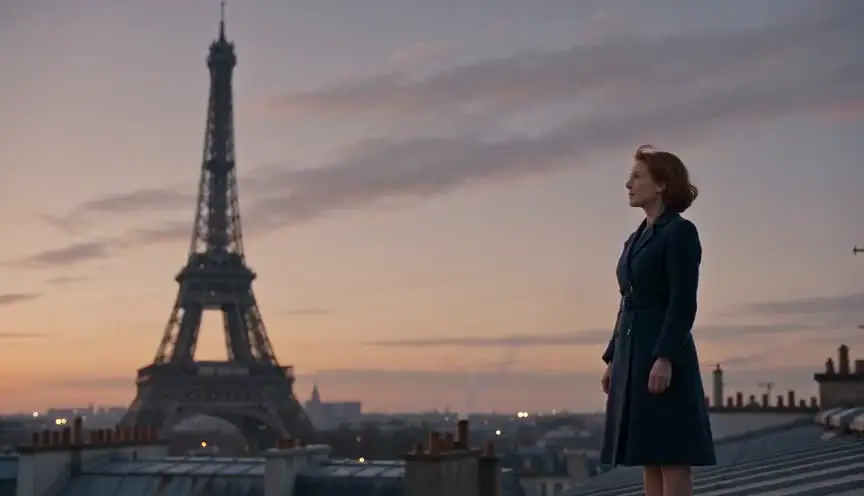
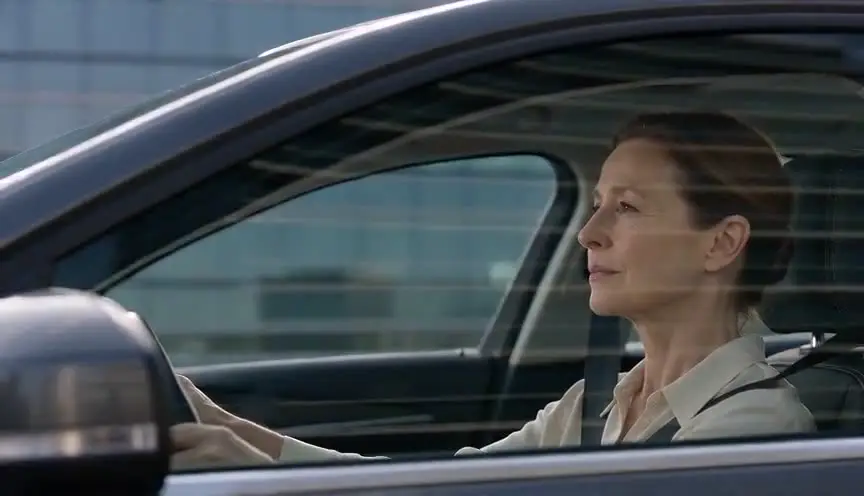
Lead room is the open space left in front of a subject, in the direction they look or travel. It gives the gaze and the movement somewhere to go, so the audience feels momentum and follows the character's attention.
Also calledLeading spaceLook spaceNose room
Composition
Why it works on screen
Lead room is how a frame says where a character is heading. A cyclist with open road ahead feels free and fast. A woman looking into the space beside her, toward someone just offscreen, pulls the audience's attention there too. Use it for journeys, pursuits, anticipation and conversations where the other person matters. It supports hope, drive and curiosity. A scene earns deliberate lead room when direction is part of the story: someone racing to arrive, someone waiting for a person to appear, someone about to act.
The shot list line
- Size
- Medium wide shot
- Angle
- Eye level, side-on
- Movement
- Tracking alongside the subject
- Lens
- 50mm to 85mm on a car mount
- Duration
- 4 to 6 s
Keep the subject in the trailing third of the frame and hold that offset as speed changes, so the open road stays ahead of her.
Screenplay
On the page
Lead room is pure framing and should stay out of the screenplay. What the writer controls is direction: where a character is heading, what they look at, who they are waiting for. Write those clearly and keep screen direction consistent in your action lines, for example a chase that always moves toward the harbor. The director and operator will give that direction space. Specific offsets, and any choice to deny lead room, belong in the shot list.
EXT. MOUNTAIN ROAD - CENTRAL VIETNAM - DAY
A ribbon of asphalt climbs through green hills toward a pass lost in cloud.
NGUYỄN THỊ LAN (22, club jersey, a cheap road bike) pedals hard, alone at the front of the race.
Far behind her, a pack of riders strings out around a bend.
She glances back once. Then only at the road ahead.
The summit banner flaps in the wind, half a kilometer up.
Storyboard
In the storyboard
Place the subject near one side of the panel, facing or moving toward the other, and leave the larger space in front of them. Add a solid arrow showing direction of travel and a dotted arrow for the eyeline if they look somewhere else. For tracking shots, add a camera arrow parallel to the subject. Note the screen direction, left to right or right to left, and keep it consistent with the panels before and after.
Pairs well with
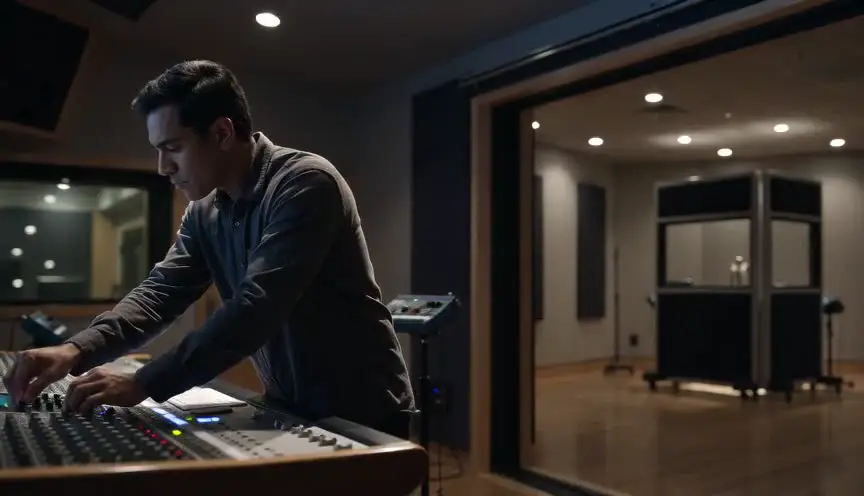
Give a character lead room while they are confident, then switch to short-sided frames when they lose control. The loss of forward space makes the change felt.
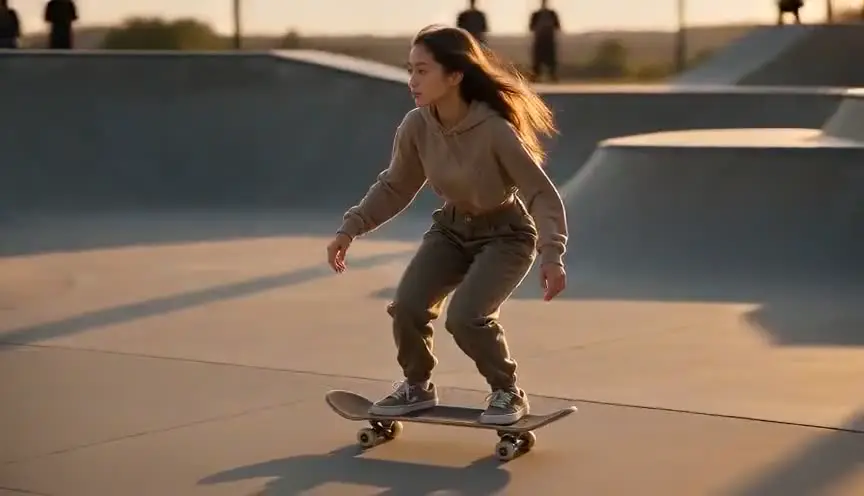
A tracking shot alongside a moving subject depends on steady lead room. Together they produce clear momentum and let the audience see what lies ahead.
Reference
Watch it in
Drive (2011)
When the car is moving, the frame keeps open space ahead of it, which holds the forward pull and the driver's calm, coiled tension.
Mad Max: Fury Road (2015)
Chase frames leave clear desert in the direction of travel, so speed, pursuit and screen direction stay easy to read at a glance.
ScreenWeaver
Set it up in ScreenWeaver
Write clear direction into your action lines, where the character is going and what they look at, and ScreenWeaver breaks the scene down into shots automatically. Open the shot, set a medium wide framing at eye level, choose a tracking movement and a duration that fits the pace. Place the subject in the trailing part of the storyboard frame. Characters and locations carry from shot to shot, which keeps screen direction consistent, and the AI previsualization shows whether the momentum reads.
Start writing for freeThe prompt behind this clip
This is the exact prompt that rendered the clip at the top of the page. Keep the description of the camera and the light, change the subject and the place.
Lead room: at a fishing harbor at dawn, a middle-aged woman in a rubber apron and boots walks steadily along a wooden dock toward a moored trawler, framed in the left third of the shot on a 35mm lens with open, empty space ahead of her on the right. As she walks rightward at a steady pace, the camera pans slowly at the same speed, keeping that empty space constant so she never nears the frame edge. Soft blue-hour light, still water, boats silhouetted in the background. No text.
Common mistakes
- 01
Nose against the edge
A subject looking straight into the nearest frame edge feels cramped. Unless you are short-siding on purpose, give the gaze its space.
- 02
Lead room that drifts
In a moving shot, a loose operator lets the offset slide, and the subject ends up centered or trailing wrong. Rehearse and mark the offset on the monitor.
- 03
Flipping screen direction
Lead room on the right in one shot and on the left in the next makes a runner seem to turn back. Keep the direction consistent across the sequence.