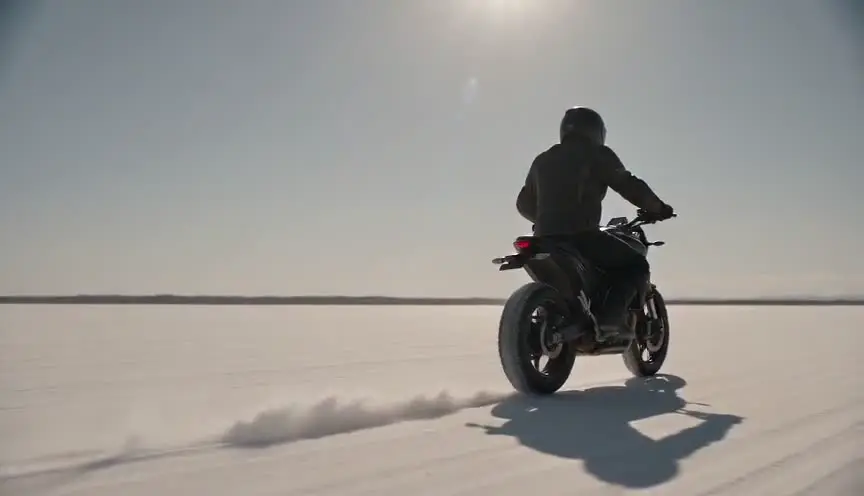
Slow motionOne second that lasts forever
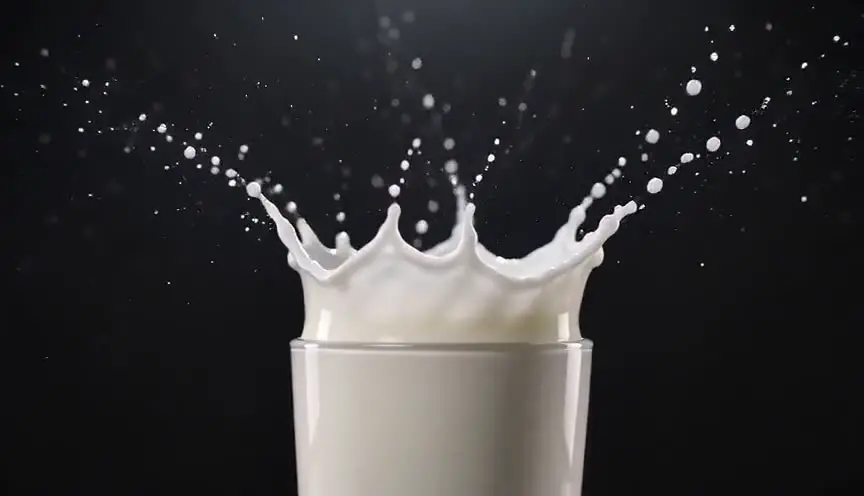
Slow motion is filmed at a higher frame rate than it is played back, so movement on screen slows down and time seems to stretch. The audience gets to live inside a moment that would normally pass too fast to feel.
Also calledSlo-moOvercrankingHigh frame rate capture
Time and motion
Why it works on screen
Slow motion tells the audience: this moment matters more than the ones around it. It can make effort look noble, violence look heavy, joy look eternal, and a fall look unbearable. It serves triumph, loss, impact, beauty and the frozen seconds of a disaster. It also shows what the eye cannot catch, like a drop hitting water or a glance across a crowded room. A scene earns it when the story has built toward a single instant: the kick, the collision, the first look, the moment of release. Used too often, it drains its own power. Used once or twice, it defines a film.
The shot list line
- Size
- Medium shot to full shot
- Angle
- Low angle
- Movement
- Static or a slow track alongside
- Lens
- 50mm to 85mm
- Duration
- 4 to 8 s on screen
Shoot at 60 to 120 fps for emotional slow motion, higher for impacts, and add light, since each doubling of the frame rate costs a stop of exposure.
Screenplay
On the page
SLOW MOTION is one of the few camera effects accepted in a spec script, because it changes how the scene plays in time. Use it sparingly, once or twice in a whole screenplay, for moments that truly need it. Write "SLOW MOTION" or "IN SLOW MOTION" as a short line or in capitals in the action, describe what happens during it, then mark the return with "BACK TO NORMAL SPEED" or simply a new action line. The frame rate belongs in the shot list.
EXT. DIRT FOOTBALL PITCH - THIAROYE - LATE AFTERNOON
The whole neighborhood on the sidelines. Goats, motorbikes, kids on a wall.
AWA DIOP (13, the only girl on the field) places the ball on the penalty spot and steps back.
SLOW MOTION
She runs. Dust lifts from each footstep. The goalkeeper leans the wrong way. Her grandmother, on the wall, rises to her feet with both hands over her mouth.
BACK TO NORMAL SPEED
The net shakes. The crowd explodes onto the pitch.
Storyboard
In the storyboard
Draw two or three panels showing key positions of the action, such as the start of the run, the moment of contact and the reaction, with many small intermediate lines to suggest stretched motion. Mark the frame rate in the corner, for example 120 fps, and the playback rate. Add a timeline bar under the panels showing where slow motion starts and ends, and the on-screen duration it takes.
Pairs well with
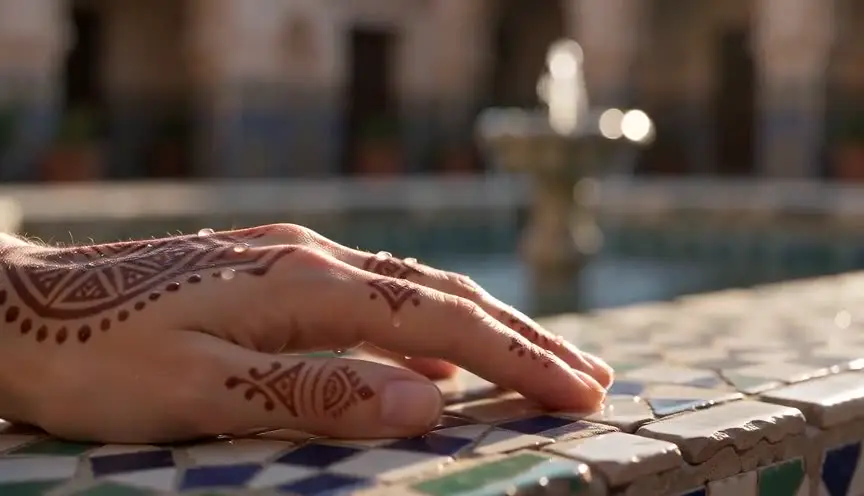
Slow motion reveals details that normal speed hides. An extreme close-up of a foot, an eye or a drop of sweat during the slowed moment makes the audience feel the physical weight of the instant.
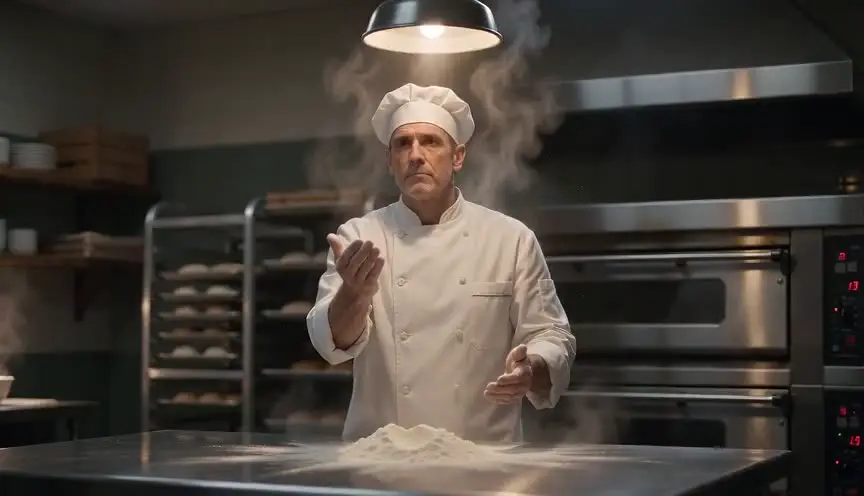
End a slow-motion moment on a freeze and time stops entirely. The two together push an instant to its limit, useful for a climax, a death or an ending.
Reference
Watch it in
Chariots of Fire (1981)
Runners training on a beach are slowed down, so a simple morning run becomes a lyrical, almost legendary image of human effort.
300 (2006)
The battles slow down precisely at the instant of impact, isolating every blow so each one lands with maximum visual weight.
ScreenWeaver
Set it up in ScreenWeaver
Write SLOW MOTION in your screenplay at the moment that needs it, and ScreenWeaver breaks the scene down into shots automatically, keeping the slowed moment as its own shot. Open it, set the framing, angle and movement, and give it the on-screen duration you want, with the frame rate in a note. Characters and locations carry from shot to shot, and the AI previsualization lets you feel how long the moment should last.
Start writing for freeThe prompt behind this clip
This is the exact prompt that rendered the clip at the top of the page. Keep the description of the camera and the light, change the subject and the place.
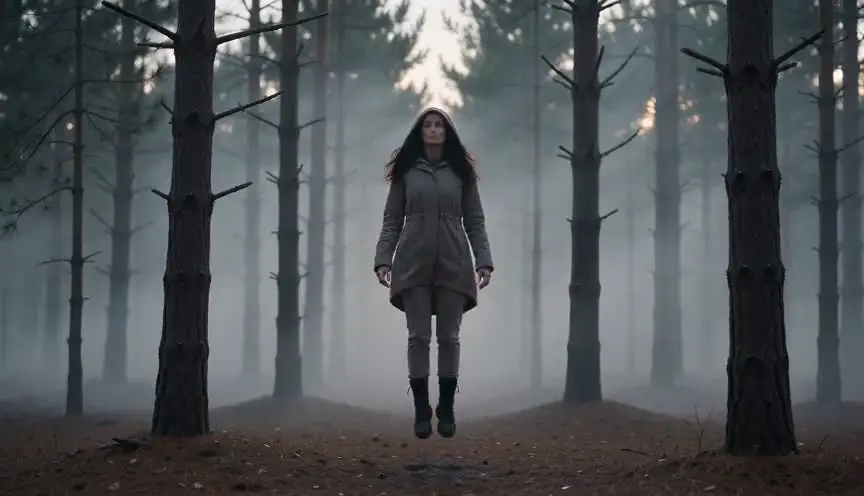
Slow motion: a lone hiker in a weatherproof jacket strides through a misty pine forest, one foot lifting off a bed of wet ferns as a fine spray of water droplets hangs suspended around the ankle. The camera tracks alongside at eye level with a 50mm lens, moving at the same slowed pace as the subject, roughly one-fifth of real time. Mist drifts faintly in the background at normal speed, jacket fabric and loose hair ripple gently, and soft overcast light stays even and diffused throughout the shot. No text.
Common mistakes
- 01
Slow motion everywhere
When every action scene slows down, the audience stops feeling it. Keep it for the one or two moments the story has built toward.
- 02
Nothing moving
Slowing down a scene with little movement just looks sluggish. Slow motion needs motion: hair, fabric, water, dust, bodies in action.
- 03
Not enough light
High frame rates need much more light. Underexposed slow motion looks noisy and muddy. Plan the lighting for the frame rate, not for normal speed.