Dolly outLeaving a character to the space
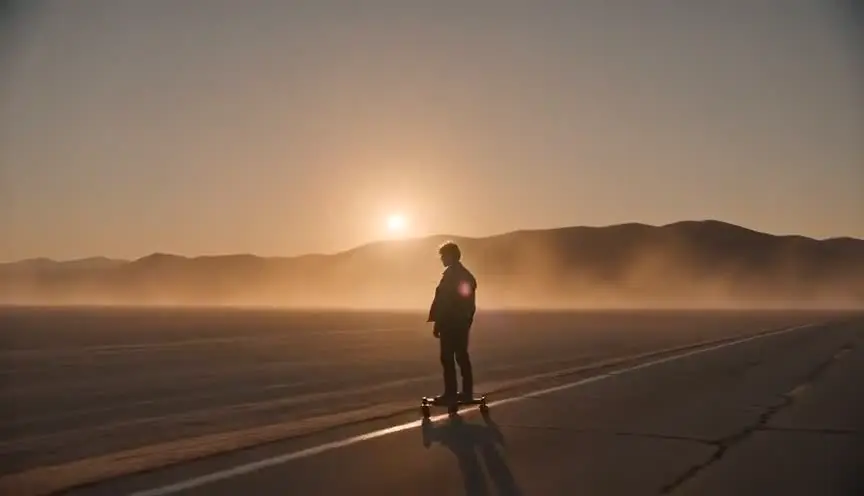
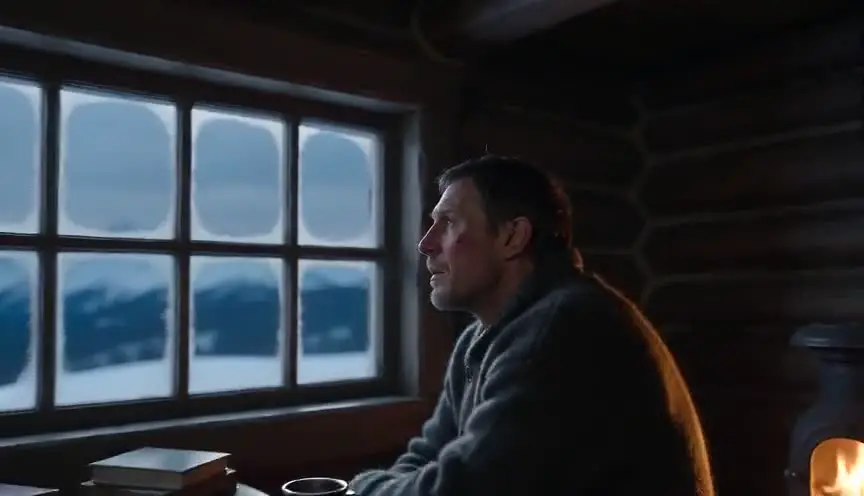
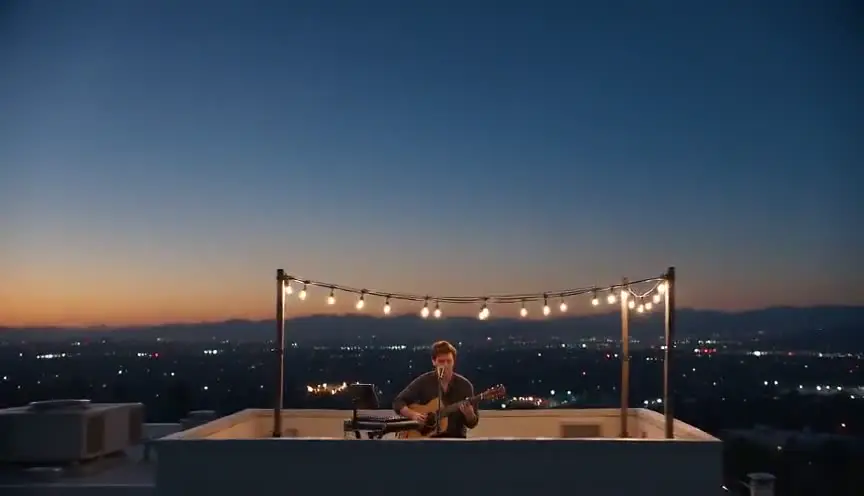
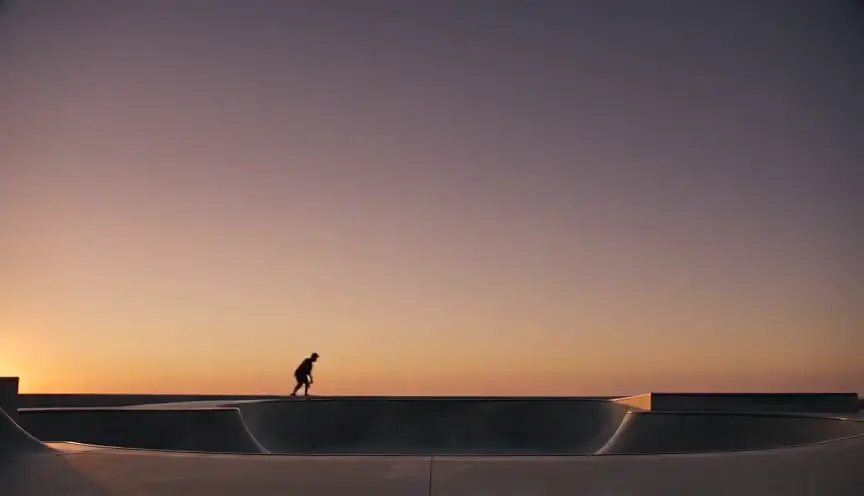
A dolly out rolls the camera away from the subject, so the frame widens and the surroundings slide in from the edges. The audience feels they are stepping back from a character, leaving them alone or discovering what surrounds them.
Also calledDolly backPull backDolly away
Camera movement
Why it works on screen
Use it for endings, withdrawals and reveals that carry weight. Pulling back from someone after bad news leaves them small in their world. Pulling back from a detail can expose a crowd, a crime scene, or a place that was not what it seemed. Unlike a zoom out, the camera actually moves, so foreground objects pass by and the audience feels the physical act of leaving. It serves loneliness, aftermath, discretion and scale. A scene earns it when the character has nothing left to say and the space around them now speaks.
The shot list line
- Size
- Close-up or medium to wide shot
- Angle
- Eye level, or slightly high as it ends
- Movement
- Dolly out on track
- Lens
- 32mm or 40mm prime
- Duration
- 6 to 15 s
Lay enough track to reach the final wide, and walk the grip's path first so the move ends on a clean, dressed composition.
Screenplay
On the page
Avoid writing "the camera pulls back" in a spec script. You can build the same shape with your action lines: stay close on the character, then describe what lies around them, then the wider place, so the reader's attention retreats step by step. A final line that leaves the character still and small suggests a pull back without ordering it. For your own shoot, note the move, its distance and its end frame in the shot list.
EXT. VINEYARD ROWS, COLCHAGUA VALLEY - DUSK
INÉS CARRASCO (60s, black dress, muddy boots) kneels between the vines and ties back a loose cane with twine.
Her hands are steady. Her face is not.
Behind her, the neighbors' pickup trucks pull away down the gravel road, one after another.
The dust settles. The rows run on in every direction, heavy with fruit no one has picked.
She ties another cane.
Storyboard
In the storyboard
Draw the starting panel close on the character. Beside it, draw the final wide panel with the same character small inside the space, and trace a rectangle in the wide showing where the first frame sat. Under both, draw a track seen from above with an arrow pointing away from the subject, labeled DOLLY OUT, with the distance. Note foreground objects that will pass by, the duration and the beat where the move starts.
Pairs well with
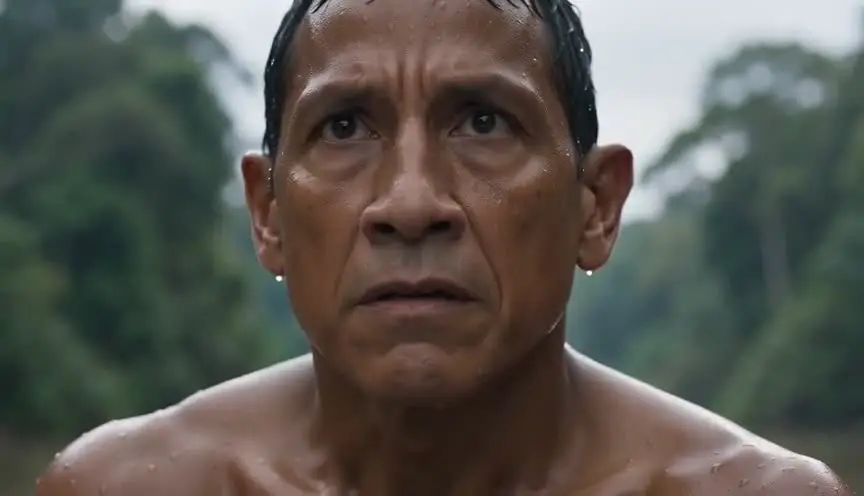
Staying in a close-up through the emotional beat lets the audience share the character's state. The dolly out that follows then takes that closeness away, and the distance feels like a loss.

Many films end a sequence by pulling back and fading out. The widening frame gives the audience room to breathe, and the fade confirms that the story has stepped away from this moment.
Reference
Watch it in
A Clockwork Orange (1971)
The camera backs away from Alex's defiant stare until the whole milk bar is visible, and a hostile close-up becomes an unsettling group portrait.
Frenzy (1972)
Hitchcock follows the killer and his victim to a door, then retreats down the stairs and out onto a noisy street, letting us imagine what happens inside.
ScreenWeaver
Set it up in ScreenWeaver
Write the moment in your screenplay from the character outward, and ScreenWeaver breaks the scene down into shots automatically. Open the closing shot of the beat, set the framing to start close, choose a dolly out as the movement, set the angle and give it enough duration for the space to appear. Characters and the location carry from shot to shot, so the wide frame matches the set you have already established. Review the pace and the final frame in the AI previsualization.
Start writing for freeThe prompt behind this clip
This is the exact prompt that rendered the clip at the top of the page. Keep the description of the camera and the light, change the subject and the place.
Dolly out: the camera is mounted on a track and moves straight backward at a steady pace, away from a weathered lighthouse keeper standing at the base of a tall white lighthouse on a rocky, storm-lashed coast. The lens stays fixed at a normal focal length with no zoom. Rain lashes sideways, waves crash against black rocks, and as the camera retreats, the full height of the lighthouse and the churning gray sea around it gradually enter the frame, shrinking the keeper within the widening shot. No text.
Common mistakes
- 01
Running out of track
A pull back that stops before the space is revealed feels like a hesitation. Measure the distance you need to reach the final frame and lay the track, or plan a different end size.
- 02
Revealing the crew
As the frame widens, lights, stands and people come into view. Dress the full space before shooting and check the end frame at the widest position.
- 03
No reason to leave
A dolly out on a character who is still mid-scene cuts the audience off too early. Pull back when the character has reached the end of a beat, not while the scene is still going.