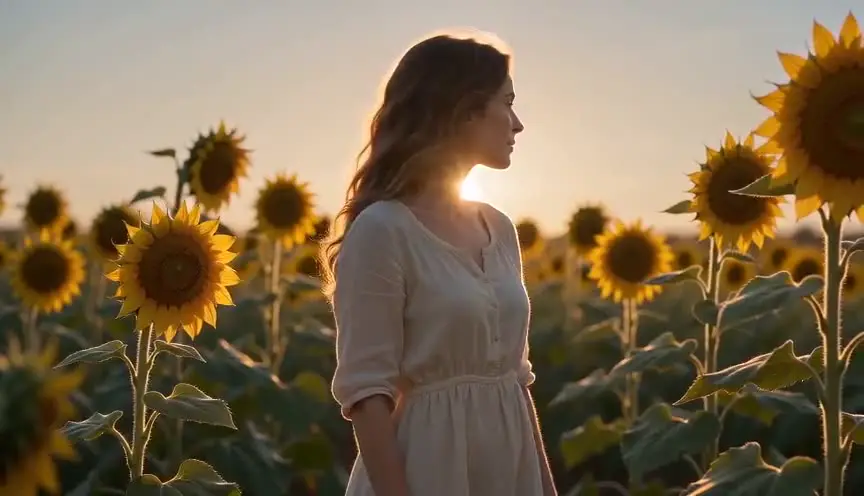
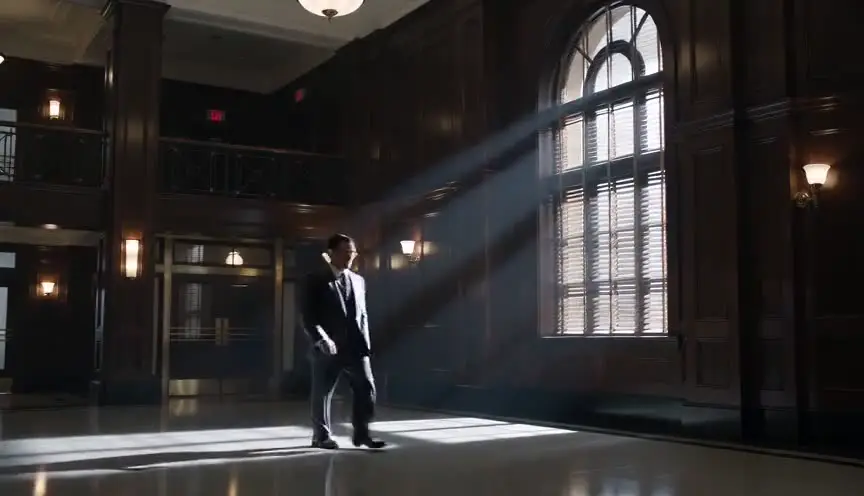
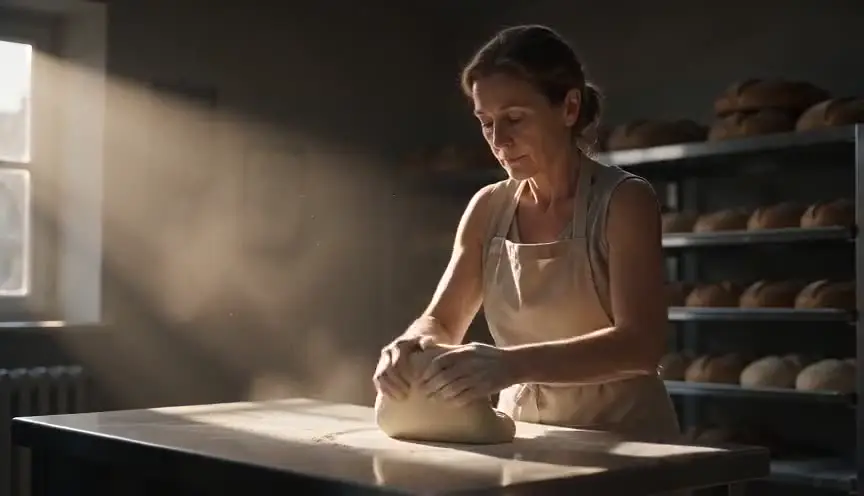
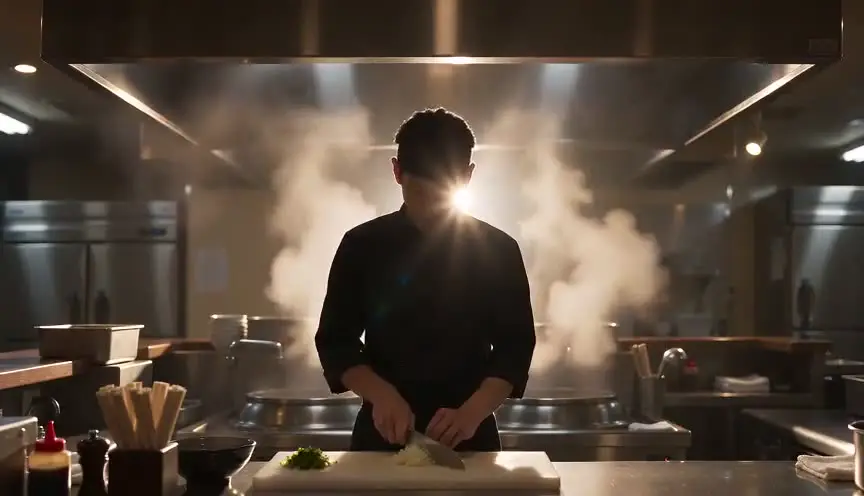
Cross lightingTwo lights, two sides of a fight
Cross lighting uses two sources on opposite sides of the subject, each acting as a key for one side and a rim for the other. Subjects are carved out of the space from both directions, and the audience feels tension, conflict or theater.
Also calledCross key lightingDual key lighting
Lighting
Why it works on screen
Cross lighting gives a scene two centers of gravity. It suits confrontations, dances, fights and any staging where people move around each other and must stay sculpted from every angle. Two hard keys produce crossing shadows that add chaos to a chase or a brawl. In a two-person scene, each actor can be keyed by the light behind the other, so the frame holds both characters in balance. A scene earns it when the space is shared by forces pulling in opposite directions, or when the staging is closer to a stage or a ring than to a living room.
The shot list line
- Size
- Medium two-shot
- Angle
- Eye level, profile or near profile
- Movement
- Static or slow arc
- Lens
- 35mm to 50mm
- Duration
- 6 to 10 s
Place two keys at roughly opposite sides, three-quarter back to each actor, balance them within a stop, and flag spill so the two sets of shadows stay clean.
Screenplay
On the page
A spec script never needs the term. What a writer can provide is the geometry: two windows facing each other, headlights from two cars, floodlights at both ends of a yard, the wings of a stage. When those sources face each other across the action, the crew will reach for cross lighting on their own. Write the confrontation and where people stand. The placement, hardness and balance of the two keys go in the shot list and the overhead lighting plan.
INT. RUG WAREHOUSE - ISTANBUL - NIGHT
Two high windows at opposite ends of the building. Streetlight pours through both, crossing over stacks of carpets.
SELIM ARSLAN (40s) stands between the stacks, a ledger under his arm.
From the far end, his former partner NESRIN KAYA (40s) walks toward him. Each step, she moves from one window's light into the other's.
They stop two meters apart.
NESRIN
You kept two books. I only need one page.
Storyboard
In the storyboard
Draw the two actors in profile or three-quarter view and mark two sources at opposite edges of the panel with lamp symbols and arrows pointing inward. On each figure, leave the edge facing each source bright and shade the middle of the face. Draw the crossing shadows on the floor. Add an overhead diagram showing the two keys, the actors and the camera. Note "cross key, balanced" or which side should be stronger.
Pairs well with
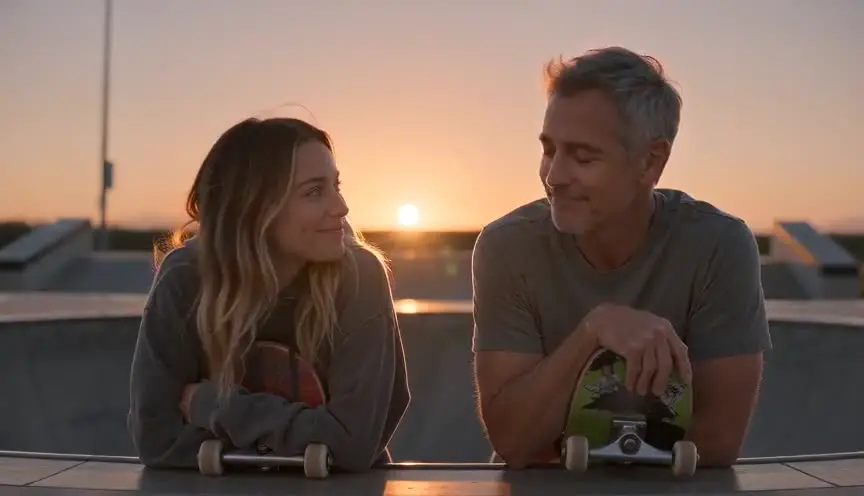
A two-shot shows both actors inside the crossing light at once, so the balance or imbalance between the two keys becomes a picture of who has the upper hand.
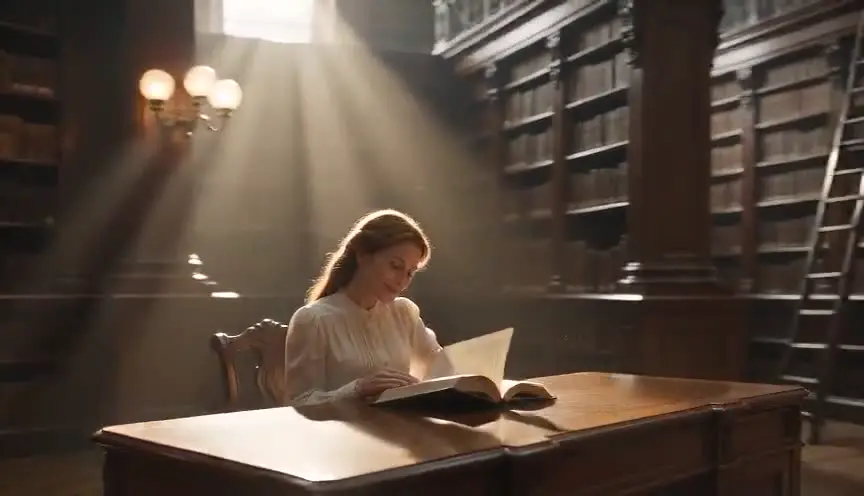
Arcing the camera around the actors reveals each key in turn as a front light and then as a rim. The shifting light makes the confrontation feel alive and unstable.
Reference
Watch it in
The Red Shoes (1948)
In the ballet, Jack Cardiff lights the dancer from both wings at once, shaping her body and cutting her out from the stage around her.
The Third Man (1949)
Robert Krasker lights the sewer chase with hard sources crossing from several sides, throwing overlapping shadows along the tunnels.
Raging Bull (1980)
Michael Chapman lights the fights with hard ring lamps from opposite sides, so both boxers are carved out and ropes cast double shadows.
ScreenWeaver
Set it up in ScreenWeaver
Set up the two opposing sources in your action lines, and ScreenWeaver breaks the scene down into shots automatically. Open each shot, set framing, angle, movement and duration, and note "cross key" with the two source positions. Characters and the location carry from shot to shot, so both lights stay on their sides as you cut between angles. The AI previsualization helps you see how the shadows cross and which character the light favors.
Start writing for freeThe prompt behind this clip
This is the exact prompt that rendered the clip at the top of the page. Keep the description of the camera and the light, change the subject and the place.
Cross lighting on a woman folding towels alone in a laundromat at night, lit by two sources at roughly 45 degrees on either side: a warm amber light from the left through the front window and a cool blue light from the right cast by a vending machine glow. The camera holds a static medium shot as she works, her face and hands modeled by both colors, a crossed double shadow stretching behind her onto the row of dryers. No text.
Common mistakes
- 01
Messy double shadows
Two hard keys can give every object two shadows that fight each other. Place them carefully, flag the floor and walls, and decide if one should be softer.
- 02
No reason for two sources
In a room with one lamp, cross lighting looks theatrical. Give the set two motivating sources, such as windows, doors or car lights.
- 03
Flat in the front
With both keys behind the actors, the front of the face can go dark. Add a low front fill or turn the actors slightly toward one key on important lines.