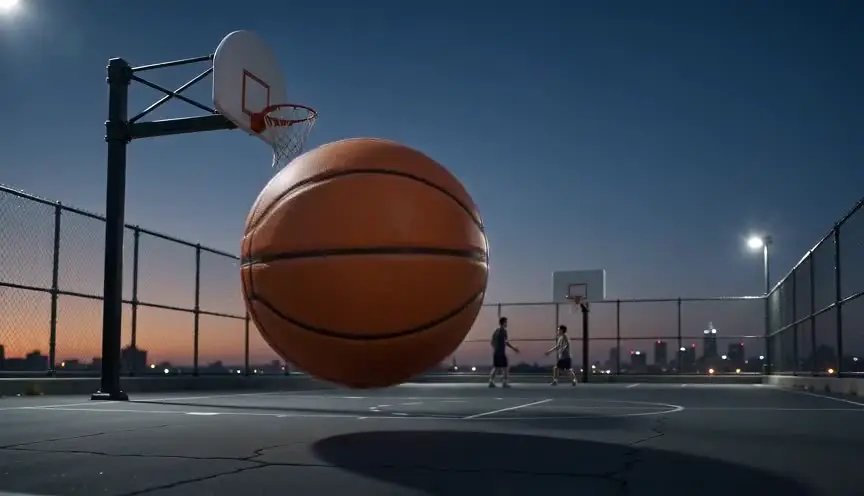
Worm's-eye viewLook up from the floor
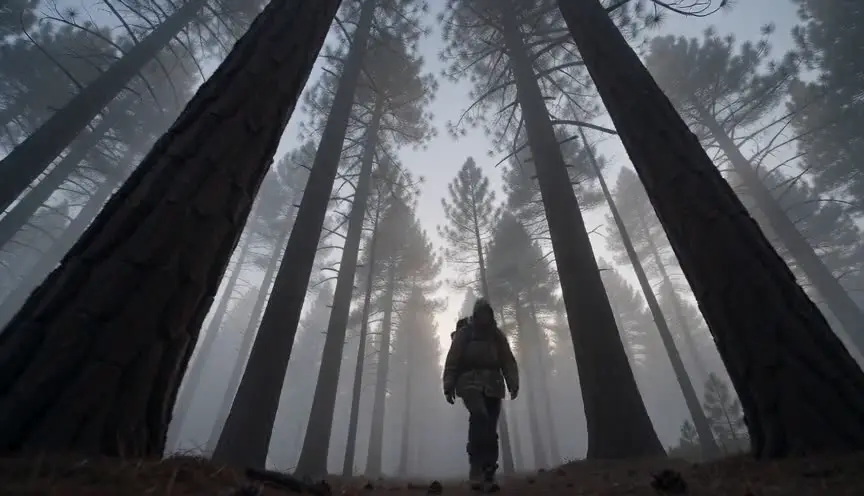
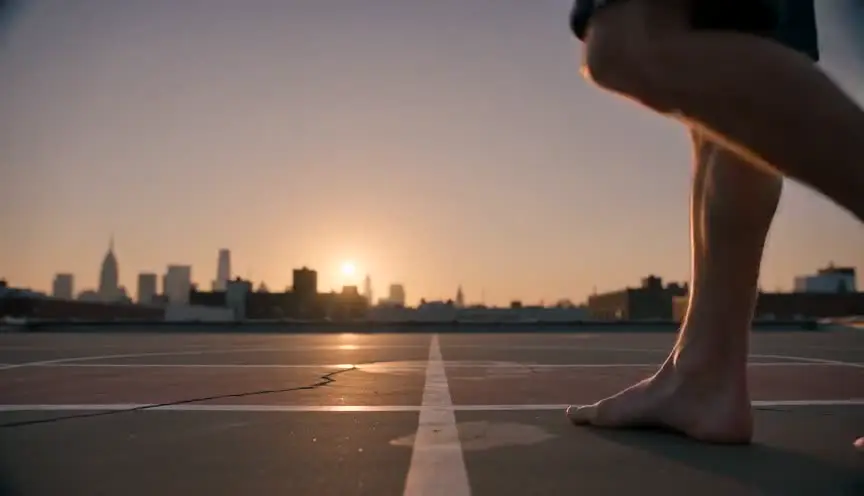
A worm's-eye view puts the camera at or near the ground and aims it steeply upward. People, buildings and objects tower over the lens, and the audience feels tiny, pinned down or overwhelmed.
Also calledGround-up shotExtreme low angleFloor-up view
Camera angles
Why it works on screen
This is the low angle pushed to its limit, and it usually belongs to someone who is down: knocked over, hiding under a table, a child, an animal, a person lying in the street. Everything above them becomes huge and hard to escape. It serves intimidation, awe, helplessness and grotesque comedy. It can also glorify architecture, making a cathedral or a skyscraper seem to rise forever. A scene earns it when a character's position is literally on the ground, or when a figure must seem enormous for one strong beat. It is a spice, not a meal.
The shot list line
- Size
- Full shot or medium shot
- Angle
- Worm's-eye view, from the floor, steep upward tilt
- Movement
- Static
- Lens
- 14mm to 24mm
- Duration
- 2 to 5 s
Set the camera on the floor or in a shallow pit, tilted up at 45 degrees or more, and protect the lens from anything that might fall or be stepped on.
Screenplay
On the page
Do not name the angle on the page. Put the character on the ground and write what towers over them: a coach standing above a fallen gymnast, a crowd stepping around someone on the pavement, trees closing overhead. That makes the view feel motivated, even like a point of view. If the angle belongs to a creature or a child, establish their size first. Leave the lens height, the rig and the degree of tilt to the shot list and the storyboard.
INT. GYMNASTICS HALL, BUCHAREST - EVENING
The balance beam hums faintly after the fall.
IOANA DRAGOMIR (12) lies flat on the blue mat, chalk dust settling on her face.
Above her, COACH MIRCEA STAN (60s) blocks out the ceiling lights.
He does not offer a hand.
COACH STAN
Again. Before your legs remember they're afraid.
Storyboard
In the storyboard
Draw from the ground up: the figure's legs large at the bottom edge, the body narrowing sharply toward a small head against the ceiling or sky. Let verticals converge to a point above the frame. Add a side-view sketch with the camera on the floor and a steep dotted line up to the subject. Note the lens, the need for a ceiling or clean sky, and whose view it is, if the shot is a point of view.
Pairs well with
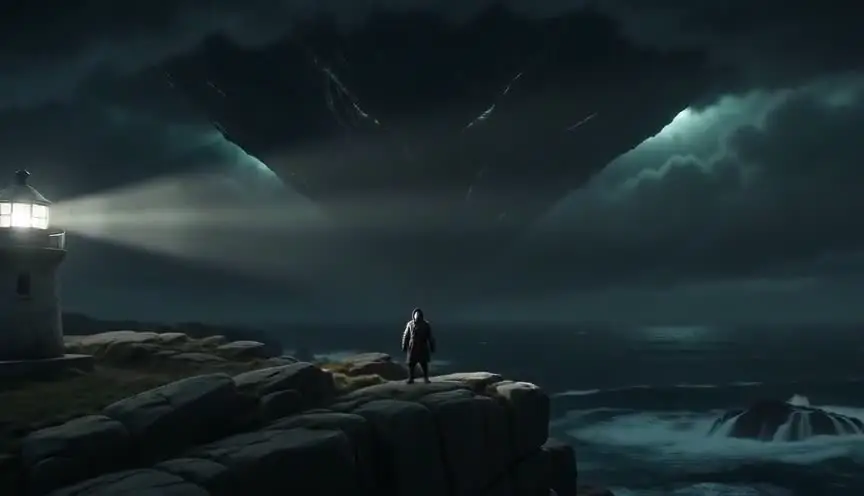
Establish the character on the ground, then cut to the worm's-eye view as their point of view. The angle becomes a feeling, the audience lying where the character lies.
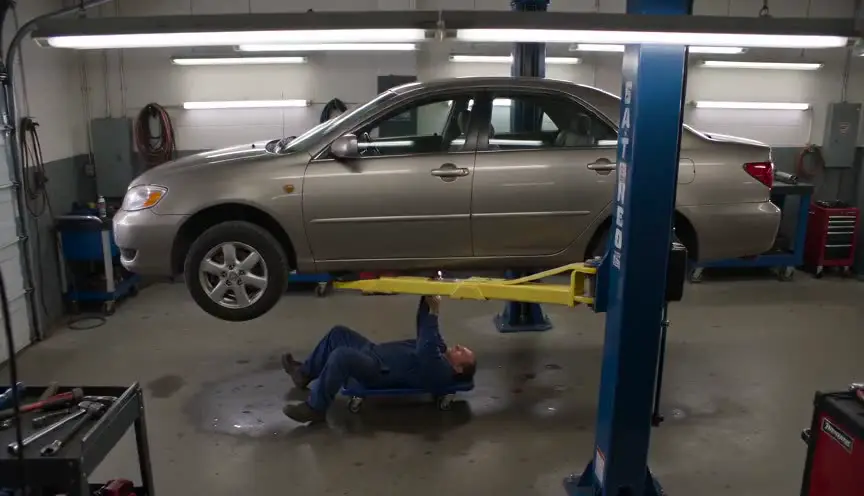
Reverse the worm's-eye shot with a high angle looking down from the towering figure. The contrast doubles the power gap and makes the confrontation play in both directions.
Reference
Watch it in
Citizen Kane (1941)
Welles digs the camera almost into the floor in several scenes, so Kane looms over the other characters and over the viewer.
Full Metal Jacket (1987)
Kubrick shoots the drill instructor from the ground in the barracks, making him tower over the recruits and over us.
ScreenWeaver
Set it up in ScreenWeaver
Put the character on the ground in your action lines, and ScreenWeaver breaks the scene down into shots automatically. Open the shot, set the framing to a full or medium shot, choose the worm's-eye angle from the floor looking up, keep the movement static and give it two to five seconds. The characters and the location carry across shots, so the figure above stays the same. Use the AI previsualization to see how extreme the angle feels in the cut.
Start writing for freeThe prompt behind this clip
This is the exact prompt that rendered the clip at the top of the page. Keep the description of the camera and the light, change the subject and the place.
Worm's-eye view: the camera lies flat on the cracked white surface of a salt flat, lens tilted straight up at a middle-aged man standing directly overhead, his boots and legs filling the top of the frame and stretching upward into a pale, cloudless sky. The 14mm wide lens exaggerates his height, his body leaning inward toward the edges of the frame as he takes one slow step forward, and the camera stays locked at ground level. No text.
Common mistakes
- 01
No ceiling, no sky
Aiming up in a studio reveals lights and grids. Plan a real ceiling, a clean sky or a controlled backdrop, or the shot cannot be used.
- 02
Unmotivated extremes
A worm's-eye view with no reason reads as a gimmick. Tie it to someone on the ground or to a clear idea of scale.
- 03
Holding too long
The distortion is strong, and a long take lets the audience study the trick. Keep it short, cut back to a normal angle, and let the memory of the shot do the work.