Voyeur shotWatching someone who does not know
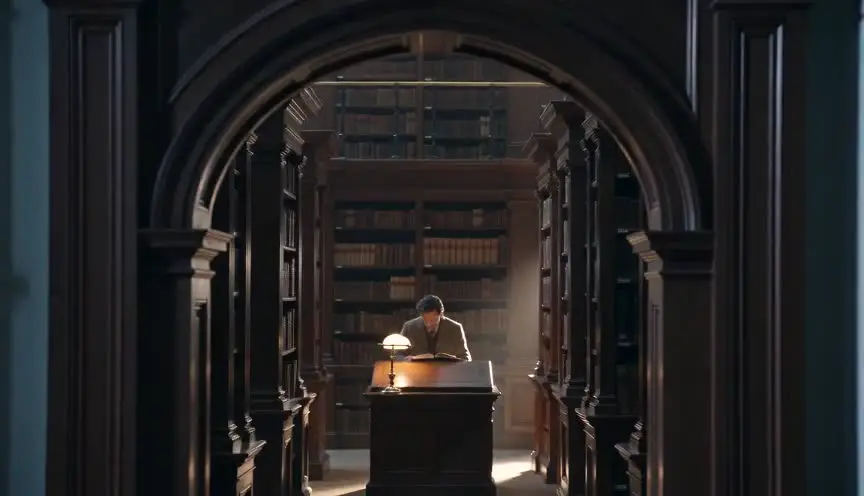
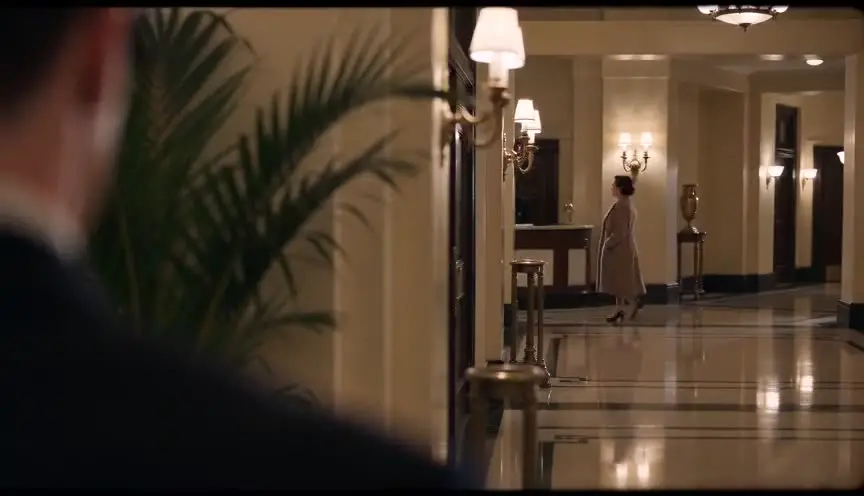
A voyeur shot frames a character from a hidden position: through blinds, between branches, from across a courtyard, through a keyhole. The audience becomes the one who spies, and the pleasure of seeing mixes with guilt and fear.
Also calledSpying shotSurveillance shotHidden observer shot
Composition
Why it works on screen
The voyeur shot changes the audience's relationship to a character, who becomes watched rather than followed. It serves suspense, obsession, desire, investigation and horror. When the watcher is a threat, the shot builds dread; when the watcher is lonely or curious, it builds empathy with their need to see. Use it when someone is being observed without consent, or when the audience should feel complicit. A scene earns it when the fact of watching is itself dramatic, and when the watched person is vulnerable or unaware.
The shot list line
- Size
- Medium wide shot through an obstruction
- Angle
- Slightly high, from the watcher's position
- Movement
- Static or subtle handheld
- Lens
- 85mm to 200mm
- Duration
- 4 to 8 s
Shoot from far away through a soft foreground barrier (blinds, leaves, a doorframe) so the subject looks small, unaware and slightly out of reach.
Screenplay
On the page
Watching is an action, so you can write it: who looks, from where, through what, and what they see. Name the barrier, a window, a fence, a gap in a curtain, and describe the observed person's private behavior. That is enough for a director to frame a voyeur shot. Avoid writing "POV through the blinds" in every beat; one clear setup, then the observed action, reads faster. Lens choice and hiding position go in the shot list.
INT. APARTMENT - BUENOS AIRES - NIGHT
MATEO SUÁREZ (15) kneels on his bed, two fingers holding the slats of a blind apart.
Across the courtyard, a lit window: the NEW TENANT (40s, woman, hair wrapped in a towel) packs banknotes into a hollowed-out book.
She stops. Turns toward the window.
Mateo lets the slats snap shut.
In the dark, his phone lights up. Unknown number.
Storyboard
In the storyboard
Draw the barrier first in the foreground, blinds, branches or a keyhole shape, with soft hatching. Leave a gap and draw the observed subject small inside it, unaware of the camera. Add a note on the watcher's position, and a small overhead map with the distance between watcher and subject. If the subject turns toward the camera, draw a second panel with their look and an exclamation mark for the cut.
Pairs well with
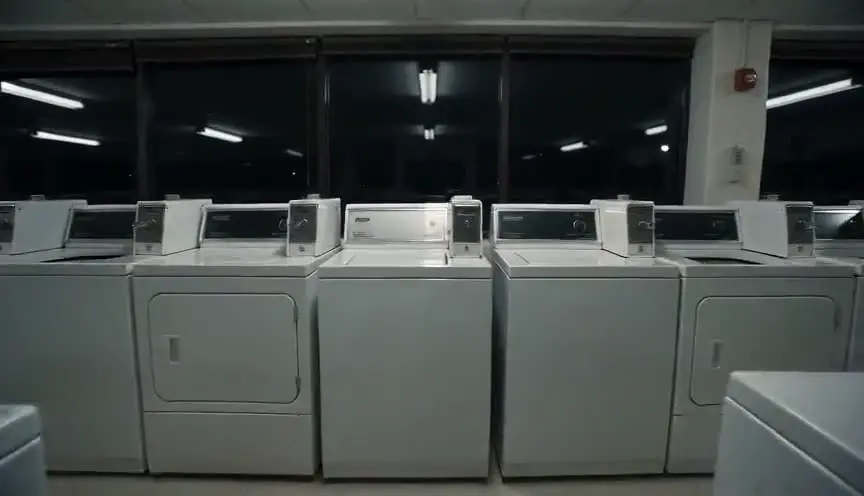
Cut from the watcher's face to their point of view through the blinds. The voyeur shot is then anchored to a person, and the audience knows exactly whose eyes they borrow.

When the watched person catches the watcher, cut to the watcher's reaction. The audience's own guilt lands on that face, which releases the tension of the voyeur shot.
Reference
Watch it in
Psycho (1960)
Norman spies on Marion through a hole hidden behind a picture, and the audience becomes an uncomfortable partner in his watching.
Rear Window (1954)
The whole film rests on Jeff looking at his neighbors through their windows and his lenses, from the chair in his own apartment.
Halloween (1978)
Michael is shown again and again watching his victims from behind hedges, fences and windows, so fear builds before he makes a move.
ScreenWeaver
Set it up in ScreenWeaver
Write who watches, from where and through what, and ScreenWeaver breaks the scene down into shots automatically. Open the shot, set a medium wide framing through the barrier, at a slightly high angle from the watcher's position, static or subtle handheld, with a duration that builds suspense. The characters and both locations carry from shot to shot, so the watcher's window and the observed window stay consistent. The AI previsualization lets you judge the distance and how hidden the watcher feels.
Start writing for freeThe prompt behind this clip
This is the exact prompt that rendered the clip at the top of the page. Keep the description of the camera and the light, change the subject and the place.
Voyeur shot: the camera holds still behind a weathered wooden shutter set in a thick stone window frame overlooking a narrow medieval village lane. The cracked shutter slats and rough stone sill fill the foreground, softly blurred, while a cloaked man crosses the cobblestones below to knock on a heavy wooden door, staying sharp and in focus. The frame does not move for the full four seconds, only the man's footsteps and hand advancing, as if someone inside the room is quietly watching him from the shadows. No text.
Common mistakes
- 01
No sense of distance
A voyeur shot filmed too close feels like normal coverage. Use a long lens, a barrier and a real distance so the audience feels hidden.
- 02
Whose eyes are these?
An unanchored spying shot confuses the audience. Establish the watcher, or make the mystery of who is watching a deliberate choice.
- 03
Exploiting the subject
Voyeurism on screen can drift into gratuitous display. Keep the focus on the drama of watching and its consequences, not on exposing the observed character.