Two-shotA relationship in one frame
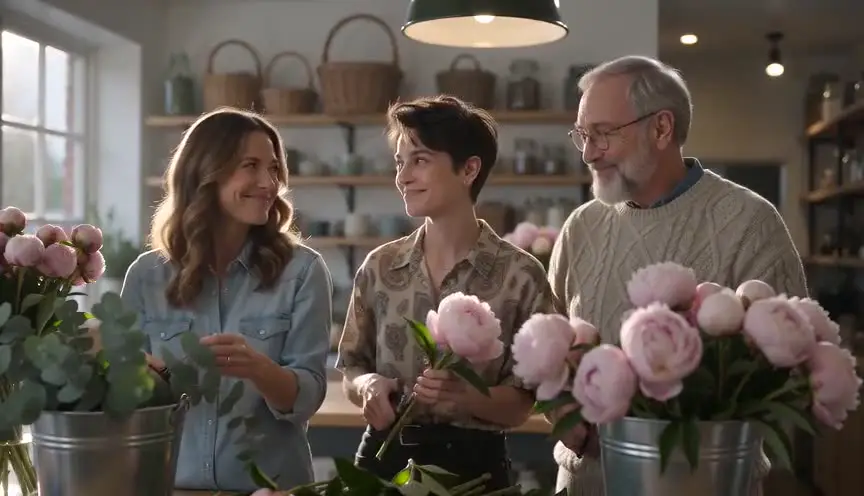
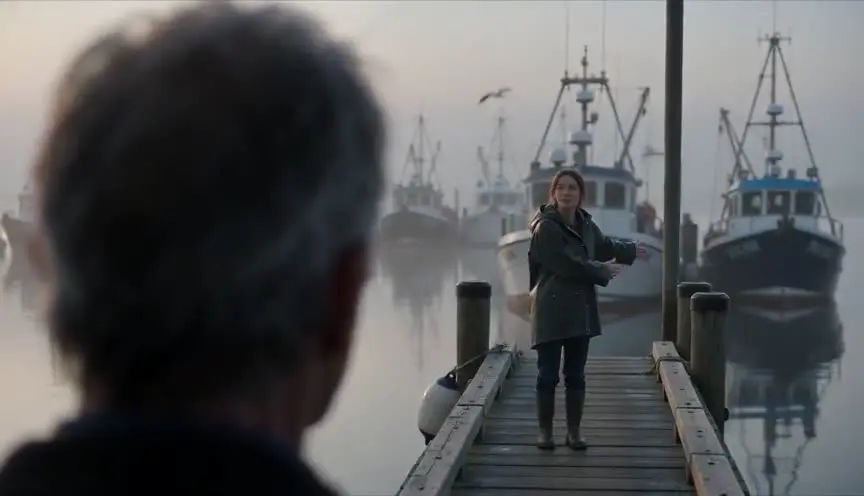
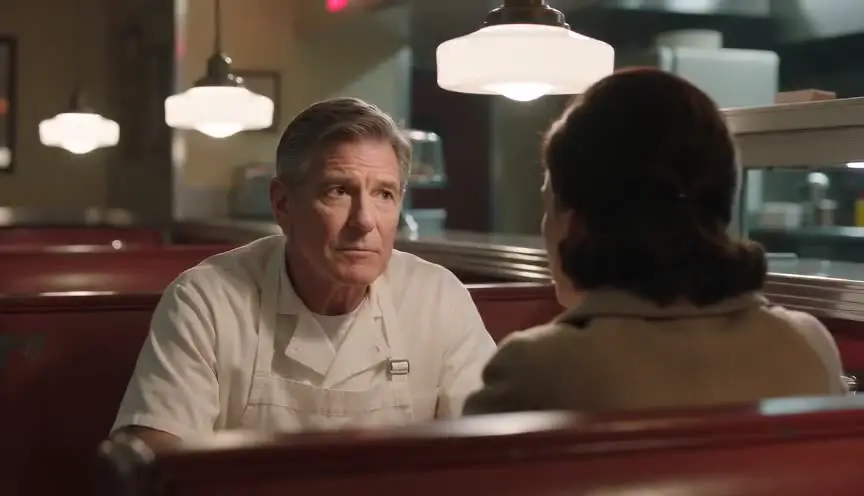
A two-shot frames two characters together in the same image, whether side by side, facing each other or one behind the other. The audience watches the relationship itself: distance, balance, who leans in and who pulls away.
Also called2-shotDuo shotDouble shot
Shot sizes
Why it works on screen
A two-shot keeps both people present at once, so the audience reads action and reaction without a cut. It serves love, rivalry, partnership, awkwardness and the slow shift of power between two people. The space between them becomes part of the story: a gap that closes over a scene, a shoulder turned away, one face lit and one in shadow. A scene earns it when the connection matters more than either individual, when silence between two people says more than their lines, or when the director wants to hold both performances without choosing a side. Cutting to singles later then feels like a break.
The shot list line
- Size
- Medium two-shot
- Angle
- Eye level, straight on or three-quarter
- Movement
- Static
- Lens
- 35mm to 50mm
- Duration
- Length of the exchange, 10 to 60 s
Stage the two actors so both faces read, and adjust the distance between them across takes if the relationship shifts during the scene.
Screenplay
On the page
You do not need to write two-shot in a spec script. Place the two characters in the same space and describe their physical relationship: sitting side by side on a bench, standing back to back, one behind the other at a sink. That gives the director an obvious frame. Mention the distance between them when it changes. The shot list decides the size and the angle of the two-shot.
EXT. BUS SHELTER - GOVAN, GLASGOW - NIGHT
Rain hammers the plastic roof. Two strangers on the bench, a full seat apart.
ANGUS McLEOD (79, flat cap, carrier bag of tins) and GRACE ADEBAYO (74, church hat under a plastic hood).
The timetable says the last bus left ten minutes ago. Neither moves.
Grace opens her flask, pours tea into the lid, and holds it out without looking at him.
GRACE
It's sugared. Don't complain.
Storyboard
In the storyboard
Draw both characters in the frame with the space between them clearly visible. Mark their eyelines with small arrows. If the distance changes during the scene, draw a second panel with the new positions and an arrow showing who moves. Note the size, whether medium or full, the lens and the moment where the scene might cut to singles.
Pairs well with
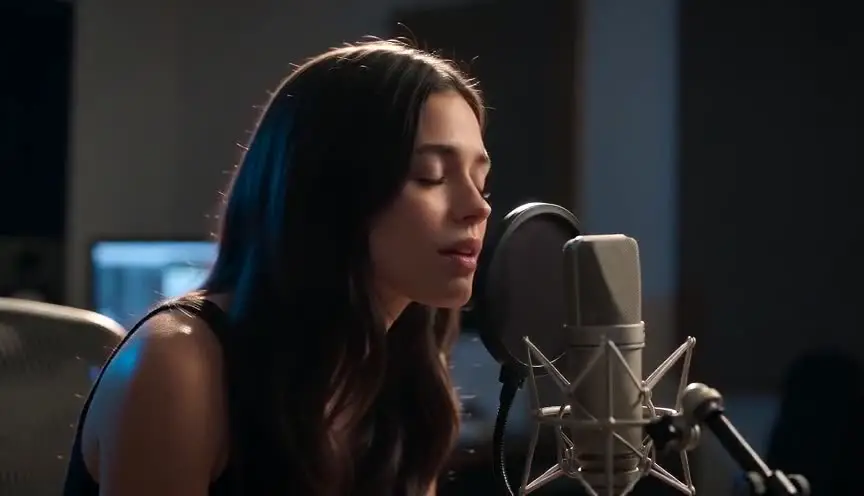
Cutting from a two-shot to singles separates the characters. The move from shared frame to separate frames can mark a conflict, a secret or a growing distance.
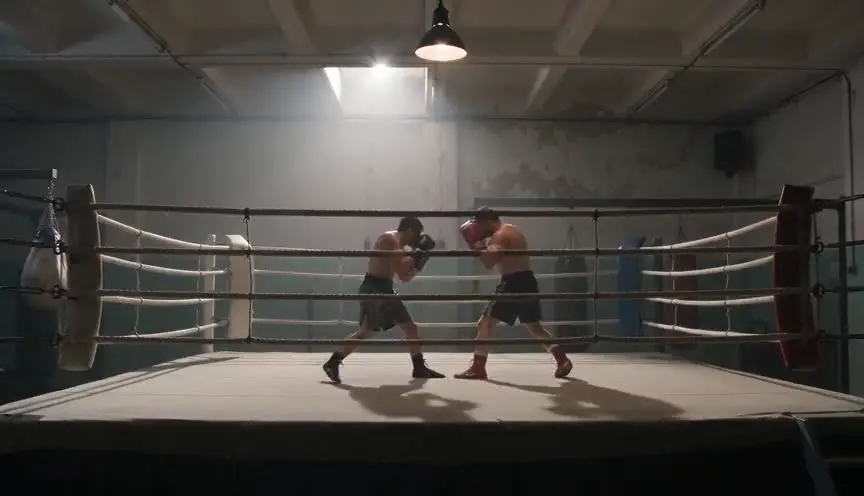
A wide shot before the two-shot places the pair in their world, the empty street, the crowded bar, and shows how alone or surrounded they are.
Reference
Watch it in
Before Sunrise (1995)
Long takes keep the two strangers side by side as they walk and talk, both faces present for entire conversations.
Persona (1966)
Bergman often frames Alma and Elisabet close together, so their mirrored faces and the changing balance of power sit in a single image.
ScreenWeaver
Set it up in ScreenWeaver
Place both characters in the same space and describe how they sit or stand, and ScreenWeaver breaks the scene down into shots automatically. Open the shared shot, set a medium two-shot at eye level, keep the movement static and give it the length of the exchange. Both characters and the location carry from shot to shot, so the singles you add later match the same light and costume. Use the AI previsualization to decide when to split them.
Start writing for freeThe prompt behind this clip
This is the exact prompt that rendered the clip at the top of the page. Keep the description of the camera and the light, change the subject and the place.
Two-shot at a skate park at sunset: two adult skaters, a woman in her twenties and a man in his thirties, stand side by side leaning on their skateboards at the edge of a concrete bowl, both framed from the waist up at eye level with a 50mm lens. The camera holds static as warm orange light rakes across their faces, wind lifting loose strands of hair. One turns to speak, the other nods and glances toward the ramps behind them, both faces staying equally sharp and evenly lit throughout. No text.
Common mistakes
- 01
One face hidden
If one actor turns away or blocks the other, the two-shot loses its purpose. Stage them so both faces read clearly, even in profile. A slight three-quarter angle usually helps.
- 02
Ignoring the distance
The space between two characters tells a story. Placing them randomly wastes that. Decide how close they are and whether it changes. A gap that closes or widens across the scene is a story in itself.
- 03
Cutting to singles too soon
Breaking the two-shot early loses the shared tension. Hold it until the relationship shifts, then cut to singles to mark the change. The cut to singles should feel like a crack appearing.