Hair lightA halo that sets someone apart
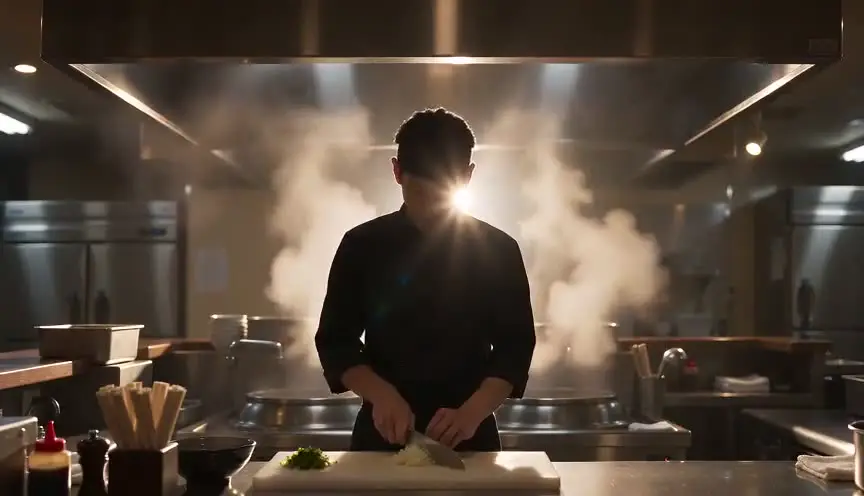
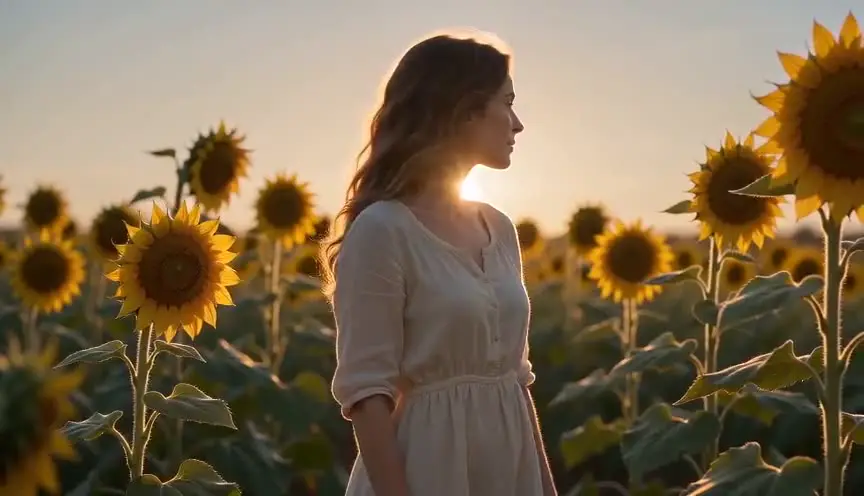
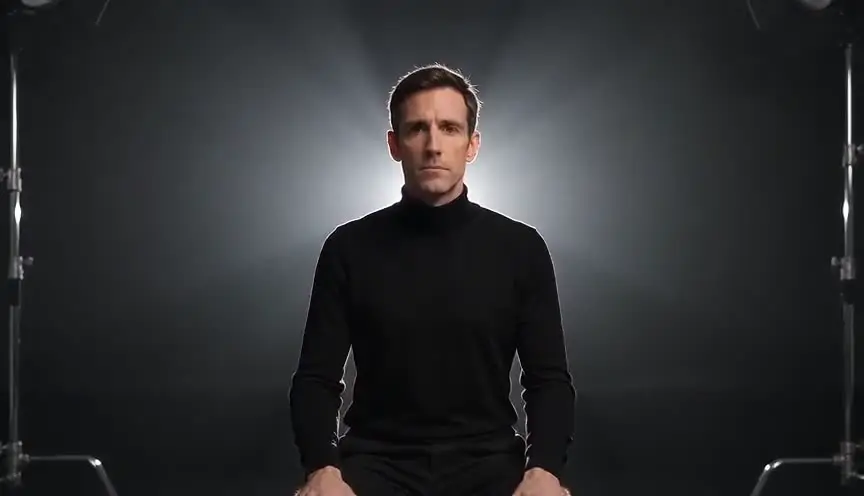
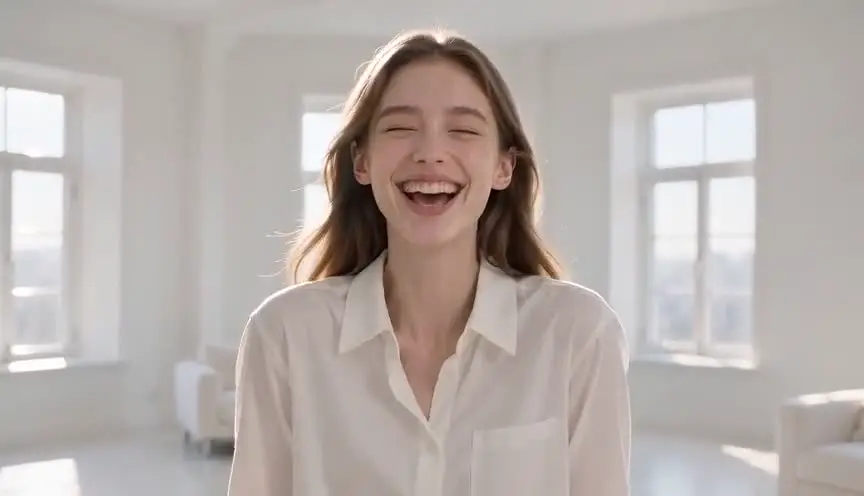
A hair light shines from above and slightly behind a subject, lighting the top and back of the head. It separates the hair from the background and adds a soft glow, and the audience sees the character as polished, special or remembered.
Also calledCrown lightTop light separationTop back light
Lighting
Why it works on screen
The hair light is the classic glamour stroke. It gives a star presence, a bride radiance, a lost loved one the glow of memory. Because it lifts the head from the background, it also keeps dark hair from vanishing into a dark set, which matters in intimate close-ups at night. It serves romance, nostalgia, idealization and period style. A scene earns a noticeable hair light when a character should look the way someone else sees them: adored, admired, or frozen in a perfect moment. Used on everyone, it becomes a studio look. Used on one person, it tells us who matters.
The shot list line
- Size
- Close-up or medium close-up
- Angle
- Eye level or slightly high
- Movement
- Static
- Lens
- 85mm to 105mm
- Duration
- 3 to 6 s
Hang the hair light above and slightly behind the subject on a boom, aim it at the crown, and keep it weaker than the key so the hair glows without burning.
Screenplay
On the page
Screenwriters do not specify a hair light. If the look matters, write the effect or the source: a chandelier above a dancer, afternoon sun behind a head, a photographer's lamp in a portrait studio. You may also write how a character appears to someone who loves them. That tells the director the image should glow. The height, the angle and the power of the hair light belong in the lighting plan and the shot list.
INT. PORTRAIT STUDIO, VEDADO, HAVANA - AFTERNOON
A painted backdrop of palm trees. A tall lamp on a boom above a velvet stool.
YOLANDA RUIZ (15), in a pale quinceañera dress, sits very straight.
The old photographer, SEÑOR ARMANDO CRESPO (70s), swings the boom until a soft glow settles on her hair.
Her mother gasps from the doorway.
ARMANDO
Now. Do not move. Do not even think.
Storyboard
In the storyboard
Draw the face with its key and fill as usual, then add a soft bright band across the top and back of the hair, fading down the sides. Put a lamp symbol above and behind the head with a short arrow. Add a side diagram with the light on a boom over the subject, just behind. Note the intensity relative to the key, the color if any, and whether the background is dark enough for the glow to read.
Pairs well with
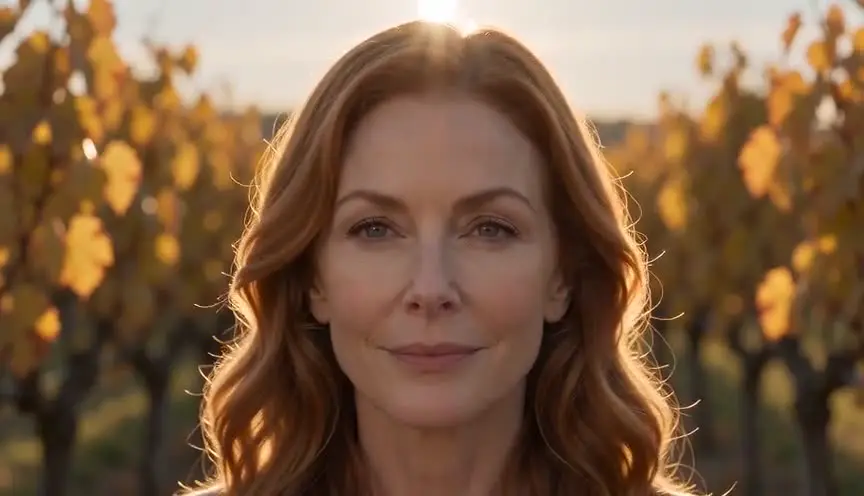
Butterfly lighting from the front and a hair light from behind make the classic glamour portrait. Together they give a face symmetry and glow, ideal for idealized close-ups.
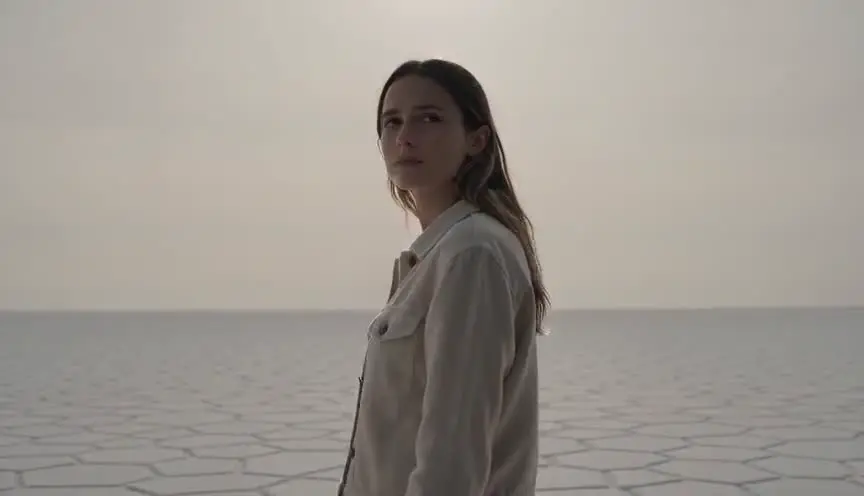
Keep both key and hair light soft for a gentle, flattering look. The soft pair suits memories, romance and period scenes that need warmth rather than drama.
Reference
Watch it in
Gone with the Wind (1939)
Studio-era portrait lighting puts a dedicated light on the star's hair in close-ups, lifting her from the painted backdrops with a glamorous glow.
Casablanca (1942)
Ingrid Bergman's close-ups add a soft light on her hair to the key and fill, often cited in cinematography books as model glamour lighting.
ScreenWeaver
Set it up in ScreenWeaver
Describe the source above or behind the character, or how others see them, and ScreenWeaver breaks the scene down into shots automatically. Open the close-up, set the framing to a close-up or medium close-up, the angle to eye level or slightly high, the movement to static and a duration of three to six seconds. Note the hair light on the shot. The character and the location carry to the next shots, and the AI previsualization lets you judge the glow.
Start writing for freeThe prompt behind this clip
This is the exact prompt that rendered the clip at the top of the page. Keep the description of the camera and the light, change the subject and the place.
Hair light portrait. A woman with long dark curly hair sits in a dark recording studio, medium close-up, facing the camera. A small hard light placed high behind her head outlines the top of her hair and her shoulders with a thin glowing golden edge that separates her from the pitch black background, while a soft front light gently lights her face. She slowly turns her head a little and the glowing edge slides along her curls. Static camera. No text.
Common mistakes
- 01
Burned-out hair
A hair light too strong turns blond or gray hair into a white blob. Dim it or diffuse it until texture remains visible.
- 02
Light on the nose
If the hair light sits too far forward, it spills onto the forehead and nose. Move it back until it only touches the crown and shoulders.
- 03
Glamour in the wrong scene
A strong hair light in a gritty, realistic scene looks like an old studio film. Keep it subtle or remove it when the story wants rawness.