135mm telephoto lensWatching someone from a distance
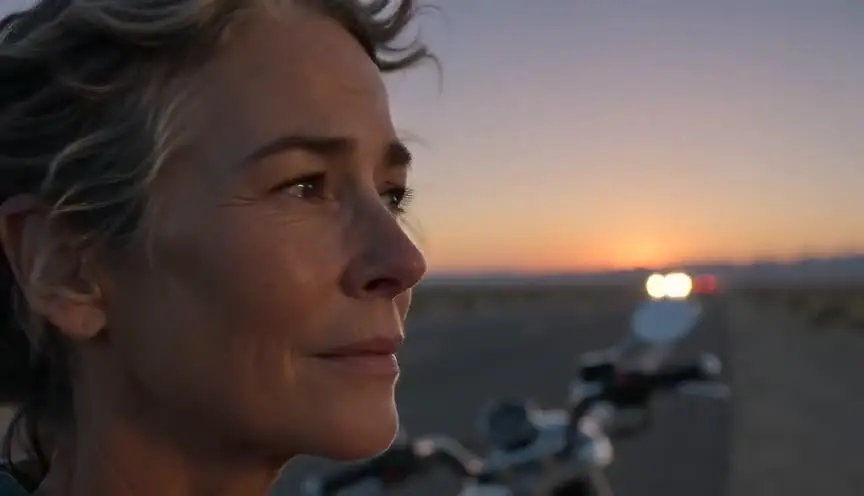
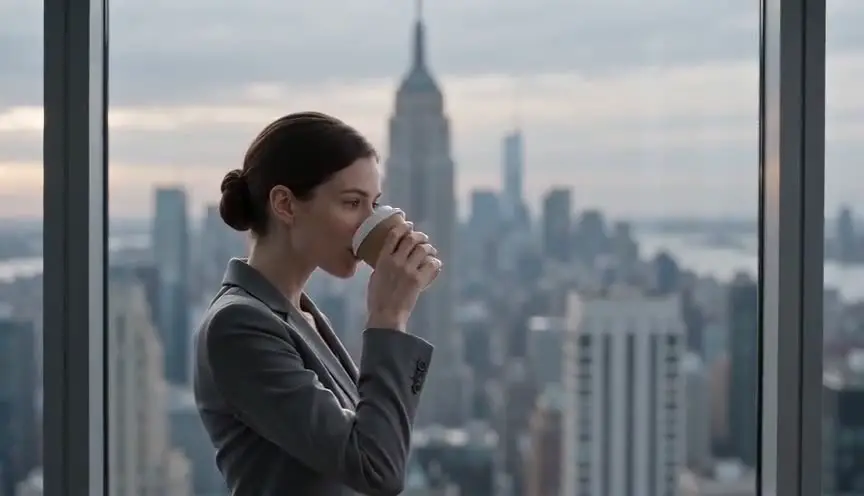
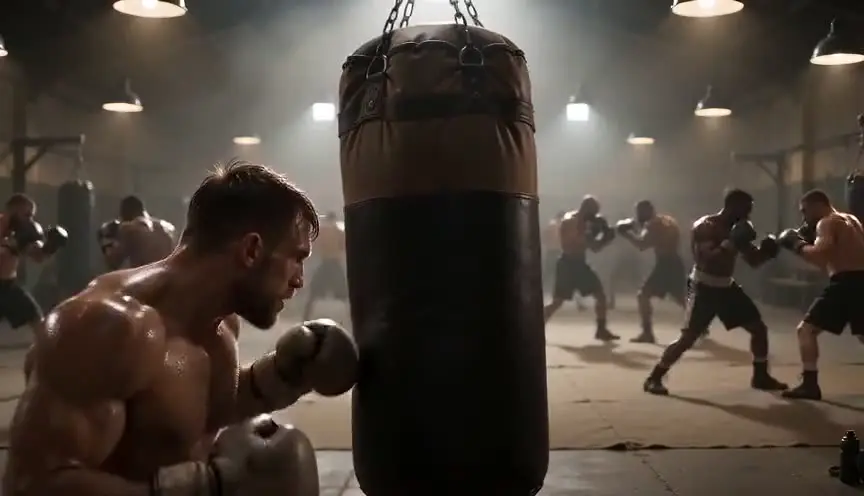
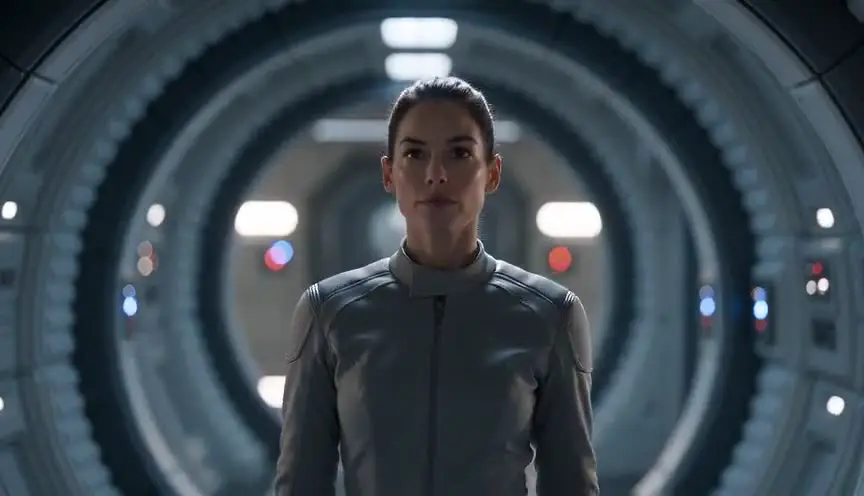
A 135mm lens frames a person tightly from far away, flattening the space behind them and blurring it into soft planes. The audience feels like an observer at a distance, close to the face but separated from it.
Also called135mm portrait lensMedium telephoto lensCompression lens
Lenses and optics
Why it works on screen
The 135mm serves scenes about distance: a character watched without knowing it, a person alone in a crowd, a moment someone cannot share with anyone nearby. The background stacks up behind the subject, so a storm, a city or a line of people seems to press against them. The long working distance also changes the performance, since the actor forgets the camera. Reach for it when the story is about observation, longing or isolation, and when you want intimacy without closeness. A scene earns it when what we feel comes from being kept at arm's length, looking in.
The shot list line
- Size
- Medium close-up
- Angle
- Eye level, from well down the axis
- Movement
- Static on a fluid head, small pan to follow
- Lens
- 135mm prime or 70-200mm zoom at 135mm
- Duration
- 4 to 8 s
Plant the camera twenty to forty feet from the actor, use a long focus throw with marks, and keep a clear line of sight so crew and extras do not cross the lens.
Screenplay
On the page
Leave the focal length out of a spec script. What the writer controls is point of view and distance. You can place a watcher in the scene, say how far away they stand, and describe what they notice on a face they cannot reach. That suggests a long lens without ordering one. If the scene has no watcher, describe the character as small against a pressing background. The exact 135mm, the camera position and the stop belong in the shot list.
EXT. FERRY DECK - DAY
Wind and gulls. The city slides past behind the rail.
At the far end of the deck, SELIN ARSLAN (30s) stands alone, hood up, a paper bag of simit untouched in her hand.
From the stern, her sister DERYA (40s) watches and does not walk over.
Selin wipes her face with the back of her wrist, quickly, as if no one could see.
DERYA
(to herself)
Twenty years, and she still hides it the same way.
Storyboard
In the storyboard
Draw a medium close-up with the subject sharp and the background drawn large and close behind them, stacked in flat bands with soft edges. Write 135mm under the panel. In a corner top view, place the camera far from the subject and draw a narrow cone for the angle of view. If the shot is someone's point of view, add a small arrow labeled with the watcher's name and a note on the distance between them.
Pairs well with
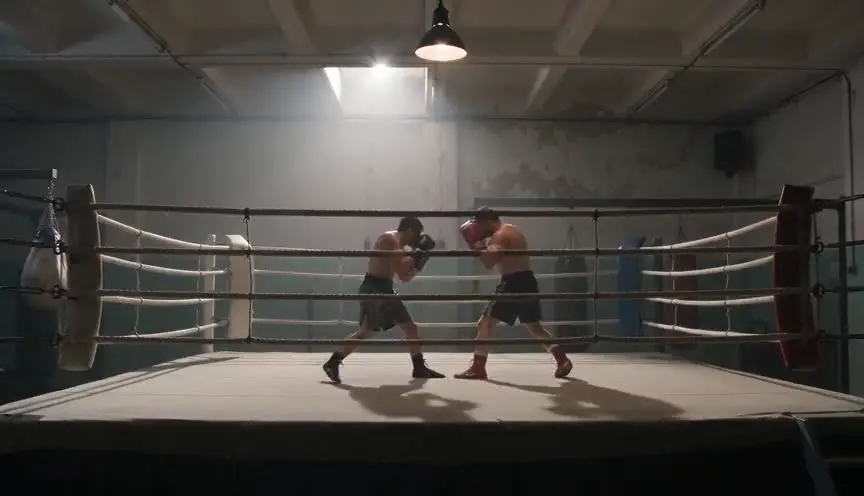
Show the full space first, with the watcher and the watched far apart. When you cut to the 135mm, the audience understands the distance it has jumped and feels the observer's longing or suspicion.
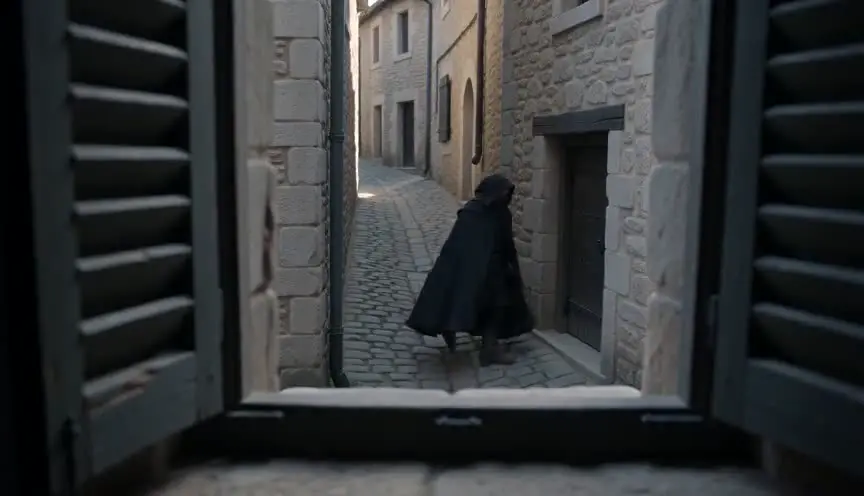
A framed, partly hidden viewpoint through a window or a gap sets up the idea of spying. The 135mm close-up that follows turns that spying into intimacy the subject never agreed to.
Reference
Watch it in
Rear Window (1954)
The injured photographer spies on his neighbors through a long camera lens, and Hitchcock builds the whole film around that act of watching from far away.
The Graduate (1967)
When Benjamin races to the church, the long lens holds him in place against the street, so all his effort seems to go nowhere.
Lawrence of Arabia (1962)
Omar Sharif first appears as a wavering speck in the heat on a very long lens, the flattened desert making his approach feel endless.
ScreenWeaver
Set it up in ScreenWeaver
Put the distance in the action lines, a watcher at one end and a subject at the other, and ScreenWeaver breaks the scene down into shots automatically. Open the shot on the watched character, set the framing to a medium close-up at eye level, keep the movement static or a small pan, and set the duration. Note the 135mm on the shot. Characters and the location carry over from the wide shot, and the AI previsualization lets you judge how isolated the figure feels.
Start writing for freeThe prompt behind this clip
This is the exact prompt that rendered the clip at the top of the page. Keep the description of the camera and the light, change the subject and the place.
135mm telephoto lens, shot from far down the rocky shoreline toward a weathered lighthouse keeper standing on the gallery railing in a yellow storm coat. The camera stays locked off, framing her from the chest up, tight and compressed, while the lighthouse tower and churning gray waves behind her appear flattened and stacked close together due to the narrow angle of view. Rain streaks blur softly in the shallow depth of field, wind pulls at her coat, and spray bursts silently against the rocks in the background, all rendered slightly soft against her sharply focused face. No text.
Common mistakes
- 01
Handholding a long lens
Every small shake of the operator is magnified at 135mm. Unless you want nervous surveillance footage, put the camera on sticks or a well balanced rig.
- 02
No background to compress
Against open sky or a blank wall, the lens only crops. Give it layered depth behind the subject, such as waves, traffic or a crowd, so the flattening reads on screen.
- 03
Losing focus on moving actors
Depth of field is very thin at this distance. If the actor drifts even a step, the face goes soft. Mark positions and give the focus puller a rehearsal.