Lens flareWhen the light gets in
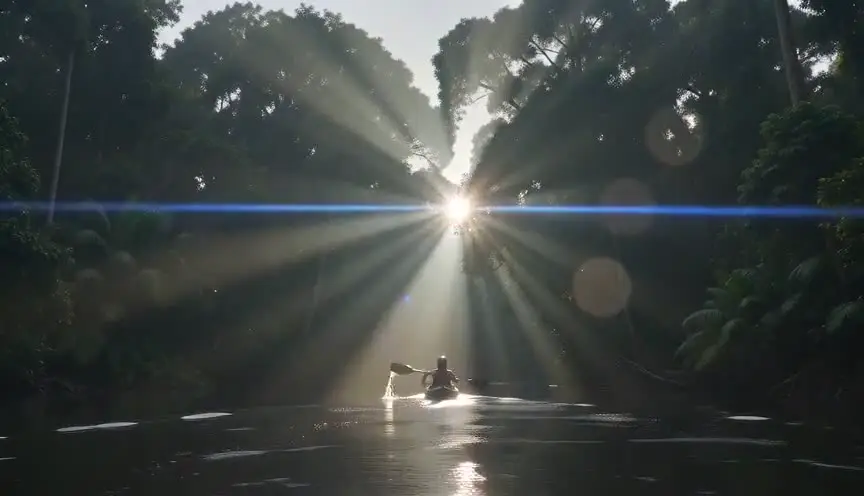
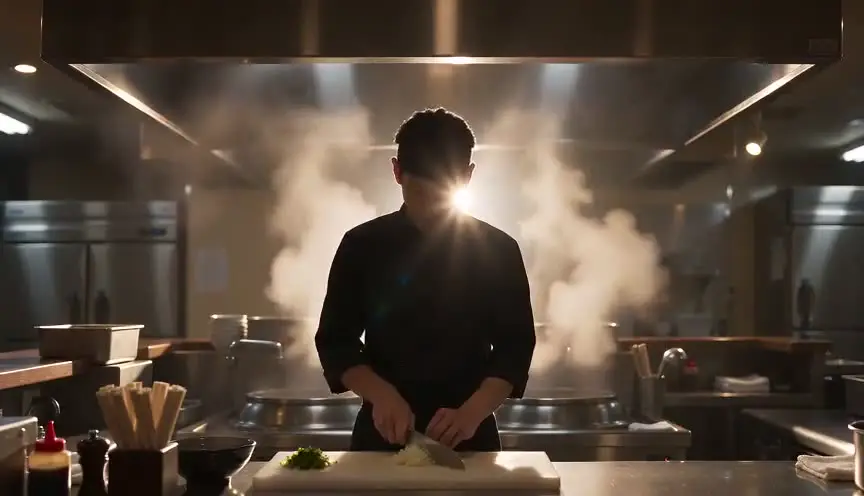
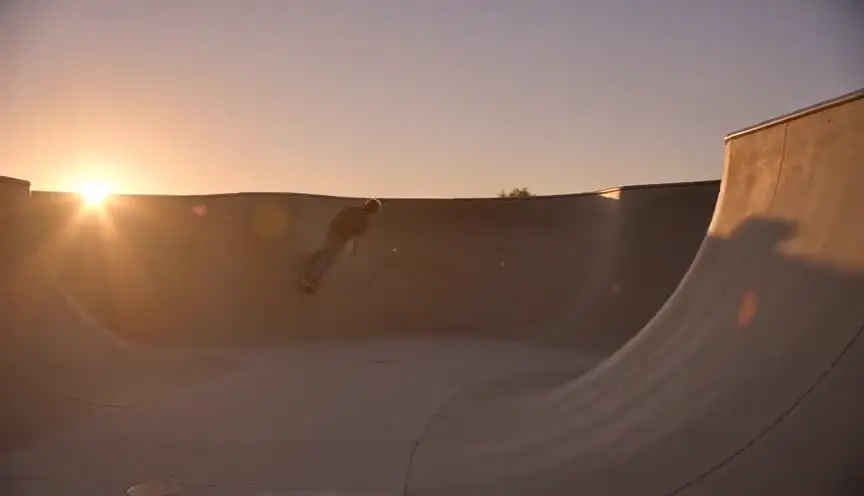
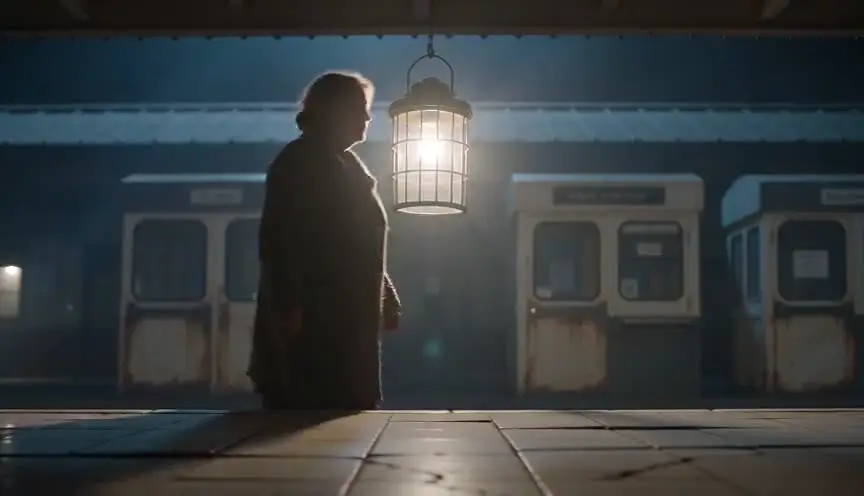
A lens flare appears when a bright light hits the lens directly and scatters inside it, leaving streaks, rings or spots across the image. The audience reads it as the presence of the camera in a real place, and often as heat, freedom or something overwhelming arriving.
Also calledSun flareFlare artifactOptical flare
Optical effects
Why it works on screen
Use it when light itself is a character in the scene. A flare can make a summer road feel free and reckless, turn an arrival into a visitation, or give a memory the warmth of late afternoon. It serves nostalgia, awe, energy and the sense of a documentary witness. A scene earns it when a real, motivated light source is part of the moment: the setting sun, headlights, a stadium light, something descending from the sky. Flares added everywhere turn into wallpaper and start to hide faces. Used on a few key beats, they give the film a physical sense of light and air.
The shot list line
- Size
- Medium shot or medium wide
- Angle
- Low angle, into the light
- Movement
- Slow handheld drift or a gentle track to move the flare
- Lens
- 35mm or 50mm prime, vintage or low-coating glass for stronger flares
- Duration
- 3 to 6 s
Place the actor to partially block the source so the flare can bloom and retreat with small camera moves, and check that the face still reads.
Screenplay
On the page
Do not write "lens flare" in a spec script. Write the light as part of the world: the low sun behind her, headlights sweeping the cabin, a beam blinding the crowd. That shows a director and a cinematographer where the strong source lives, and they decide whether to let it flare. When you direct your own script, put the flare in the shot list with the source position and the lens choice, since older or uncoated lenses flare very differently.
EXT. SUGAR CANE ROAD, KWAZULU-NATAL - LATE AFTERNOON
THANDEKA (19, graduation gown over jeans) stands on the back of her uncle's pickup as it bumps along the dirt track.
The low sun sits right behind her, turning the dust and the cane to gold.
She throws her cap into the light.
It disappears in the glare before it comes down.
UNCLE SIPHO (O.S.)
That cap was rented!
Storyboard
In the storyboard
Draw the light source as a bright point at the edge or behind the subject, with a diagonal line of circles and a streak crossing the frame. Shade the subject slightly darker to show backlight. Add an arrow for the camera drift and note how the flare moves with it. Under the panel, write the source (sun, headlights, practical) and its position relative to the lens, plus any flag or hand needed to control it.
Pairs well with
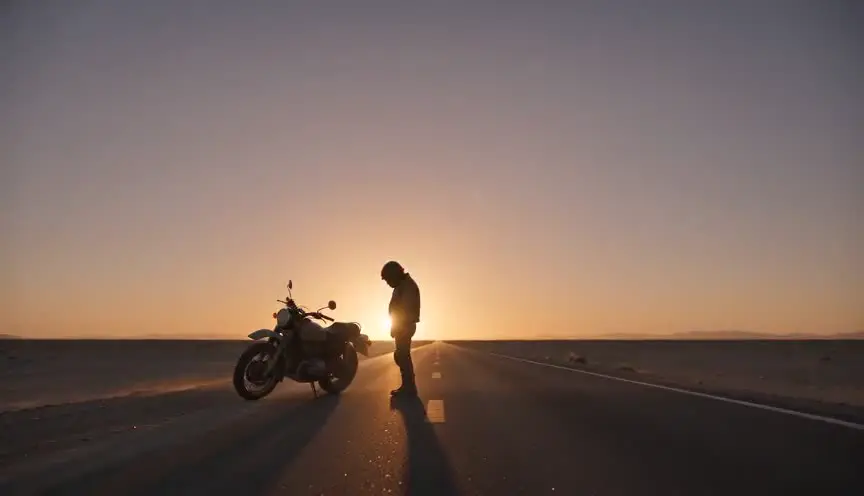
Golden hour puts the sun low enough to shoot straight into it, and gives warm, soft light on faces. The flare then feels like a natural part of a glowing evening, not a trick.
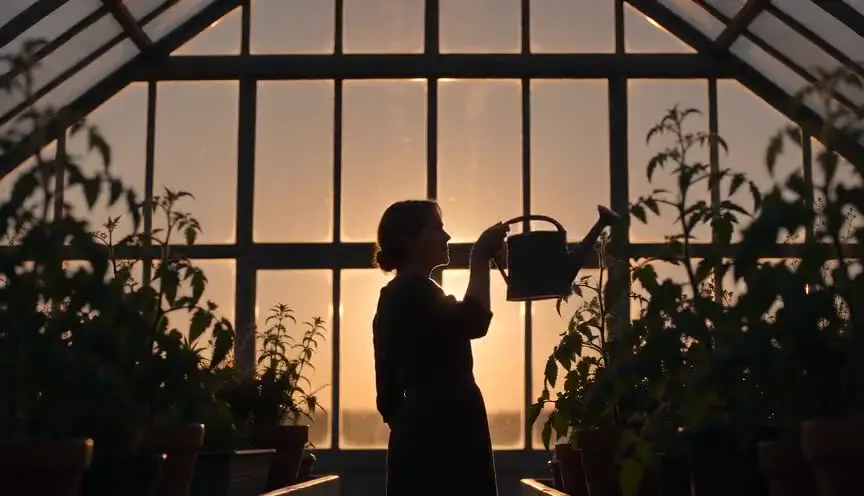
Cutting from a flared shot to a clean silhouette against the same light keeps the source present while giving the audience a strong, readable shape after the scattered glare.
Reference
Watch it in
Star Trek (2009)
J.J. Abrams scattered flares over the starship bridge and exterior scenes so often that they became a trademark of the film's bright, restless energy.
Easy Rider (1969)
Laszlo Kovacs let the sun hit the lens on the open road, giving the motorcycle rides a loose, spontaneous and sunlit freedom.
Close Encounters of the Third Kind (1977)
In the final landing, the alien lights pour into the lens and flare across the frame, turning the arrival into something too bright to hold.
ScreenWeaver
Set it up in ScreenWeaver
Write the strong light source as part of the scene in your screenplay, and ScreenWeaver breaks it down into shots automatically. Open the key shot, set a medium framing, a low angle looking into the light, and a gentle handheld drift as movement, with a duration of three to six seconds. Locations and references carry from shot to shot, so the sun or lamp stays in a consistent place. Use the AI previsualization to check where the light falls before you choose the lens.
Start writing for freeThe prompt behind this clip
This is the exact prompt that rendered the clip at the top of the page. Keep the description of the camera and the light, change the subject and the place.
Lens flare shot in a sunlit Moroccan riad courtyard: a middle-aged woman in a flowing linen dress crosses the tiled floor toward an arched doorway as the low afternoon sun sits just behind her shoulder, striking the lens directly. Warm hexagonal flare spots and a soft golden streak sweep across the frame as the camera holds a slow handheld tracking shot at eye level, 35mm lens, highlights blooming and flickering with each small camera sway, tiled walls and a trickling fountain staying crisp in the midground. No text.
Common mistakes
- 01
Unmotivated flares
A flare with no visible or plausible source feels pasted on. The audience should sense where the light comes from, even if it is just outside the frame.
- 02
Washing out faces
A big flare lowers contrast across the frame. If the actor's eyes disappear in the haze, the emotional beat is lost. Block part of the source or reframe.
- 03
Flares in every shot
Constant flaring numbs the audience and makes the camera feel self-conscious. Save it for moments where light and emotion peak together.