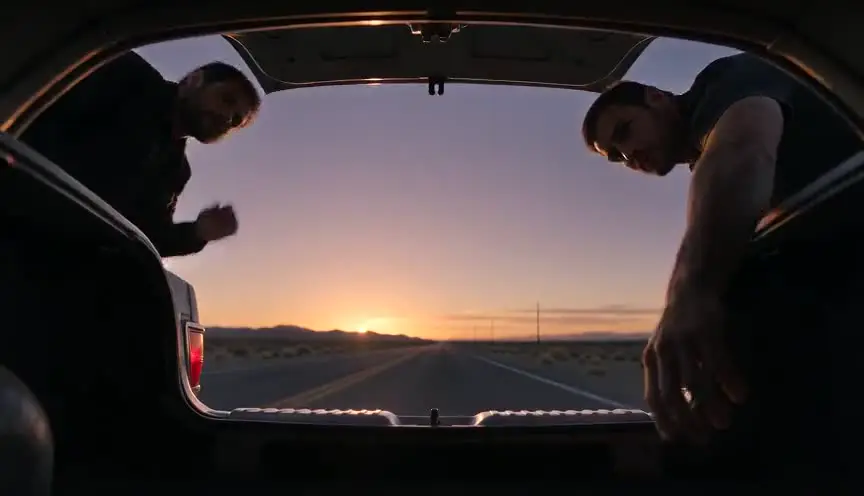
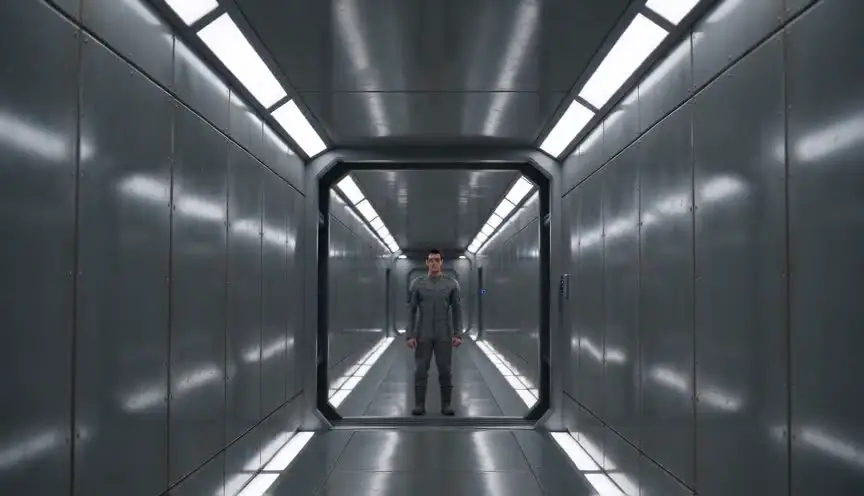
Wide shotPeople inside their world
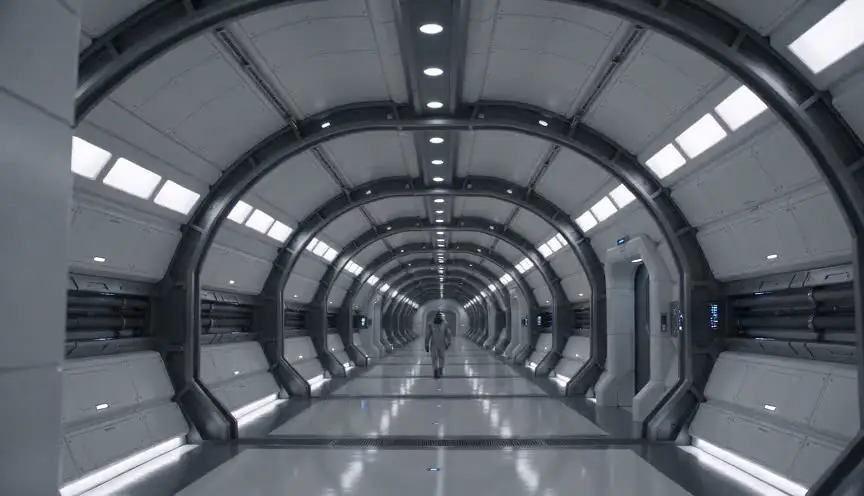
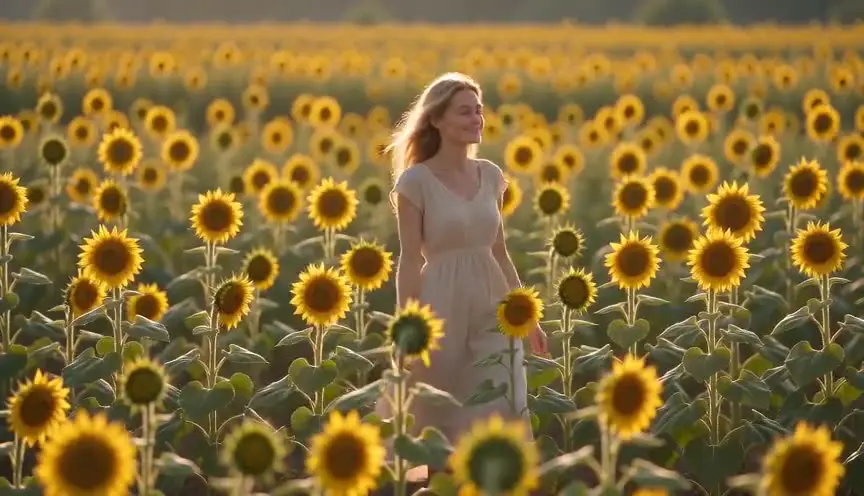
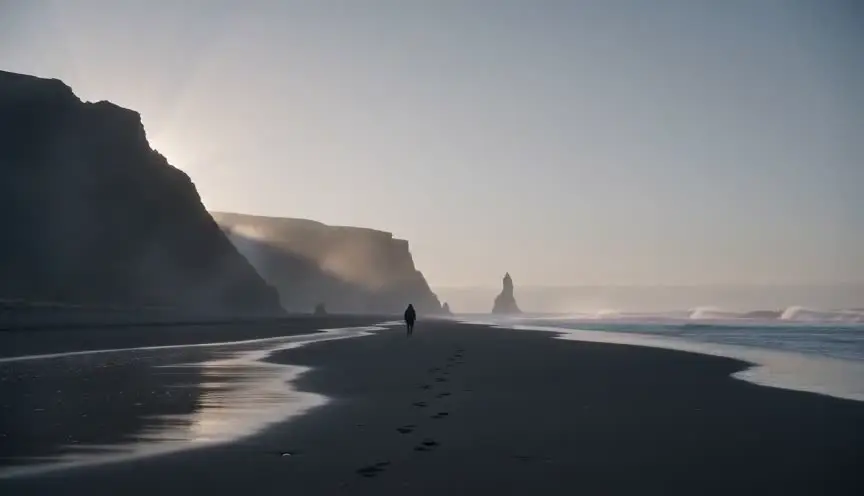
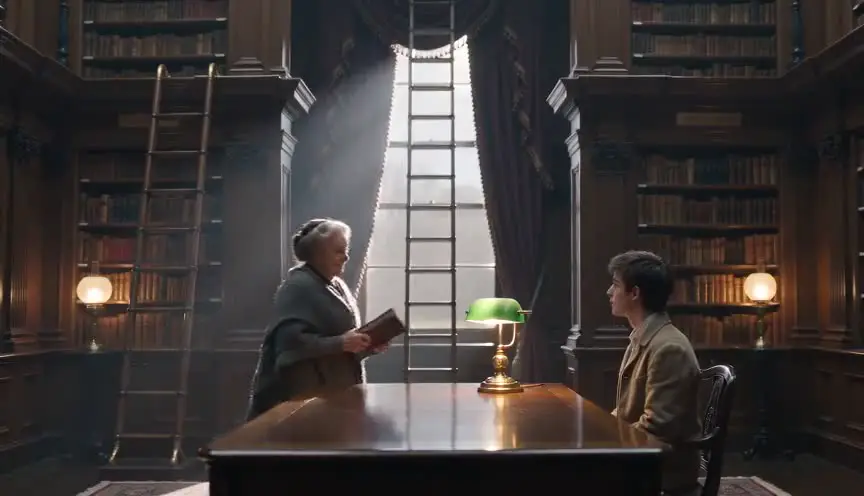
A wide shot shows characters small enough that the space around them fills most of the frame. The audience understands where everyone is, how far apart they stand and what the place feels like.
Also calledLong shotWSLS
Shot sizes
Why it works on screen
The wide shot serves geography and relationship to place. It tells the audience who stands where, how far they must travel, and whether the environment protects or threatens them. It serves isolation, community, action choreography, and the silence between people. A small group stranded in a white landscape, two lovers at opposite ends of a platform, a fighter circling in a ring surrounded by a crowd: the space speaks. A scene earns it at the start of a new situation, at the moment characters separate or reunite, and whenever the audience needs to breathe and see the whole picture before the camera moves closer.
The shot list line
- Size
- Wide shot
- Angle
- Eye level or slightly high
- Movement
- Static
- Lens
- 24mm to 35mm
- Duration
- 5 to 10 s
Place the characters where their size and position tell the story, and hold long enough for the audience to scan the whole frame.
Screenplay
On the page
Writers suggest a wide shot by describing the space and the characters' place inside it: how big the landscape is, how small the figures look, the distance between people. Keep it concrete and short. Do not write WIDE ON in a spec script. The director decides how wide and from where, and the shot list records the framing and lens.
EXT. SALAR DE UYUNI - BOLIVIA - MIDDAY
White salt to every horizon. The sky reflected in a thin layer of water.
A single tour jeep sits with its hood up, the only dark shape for miles.
Four tourists stand around it, waiting. The driver, EFRAÍN QUISPE (50), walks away from them, slowly, toward nothing.
One tourist calls after him. The wind takes the words.
Storyboard
In the storyboard
Draw the environment first, with a clear horizon line, then place the characters as small figures where they stand. Show distances between them with dotted lines if they matter. Add arrows for any movement across the frame. Note the lens, the camera height, the duration and what the audience should notice first.
Pairs well with
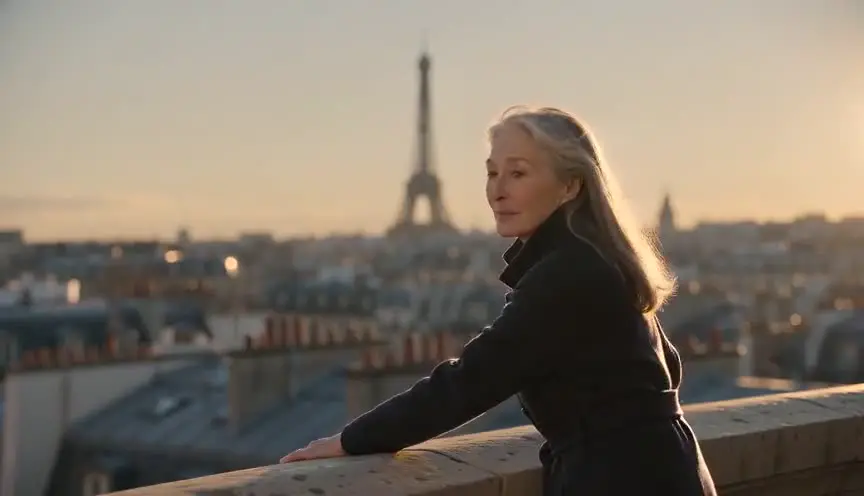
After the wide shot sets the geography, a medium shot brings the audience closer to the characters. The space is understood, so the scene can focus on people.
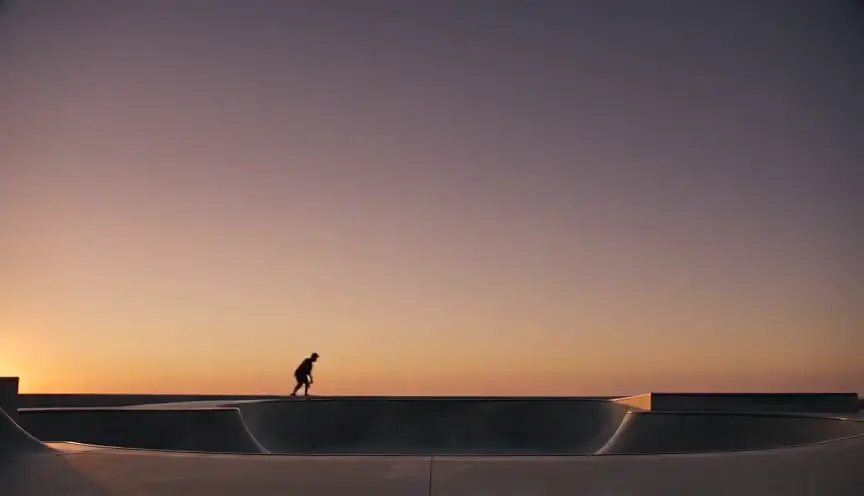
Framing the wide shot with a lot of empty space around the characters emphasizes their isolation and makes the environment weigh on them.
Reference
Watch it in
Raging Bull (1980)
Inside the ring, wide framing shows the boxers' full movements and the crowd beyond the ropes, turning fights into choreographed stage pictures.
Rocky (1976)
Training scenes show the whole gym, heavy bags, grimy walls and all, so the shabby place becomes part of who the fighter is.
ScreenWeaver
Set it up in ScreenWeaver
Describe the place and where the characters stand in it, and ScreenWeaver breaks the scene down into shots automatically. Open the shot, set the framing to wide at eye level or slightly high, keep the movement static and set a duration of five to ten seconds. The characters and the location carry from shot to shot, so positions match when you cut closer. Use the AI previsualization to check that the geography reads at a glance.
Start writing for freeThe prompt behind this clip
This is the exact prompt that rendered the clip at the top of the page. Keep the description of the camera and the light, change the subject and the place.
Wide shot inside a worn boxing gym, camera locked on a tripod at a distance showing two boxers sparring full body from head to toe, ring ropes and hanging heavy bags visible on either side. A 28mm lens keeps both fighters and the surrounding gym in deep focus, overhead work lights casting hard shadows across the canvas floor. The camera does not move; only the boxers shift weight, trade slow jabs, and circle each other within the frame. No text.
Common mistakes
- 01
Characters lost in the frame
If the audience cannot find the characters, the wide shot confuses instead of orients. Use contrast, light or movement to guide the eye to them.
- 02
Cutting away too soon
A wide shot needs time to be read. Cut after a second and the audience never grasps the space. Hold it long enough to scan.
- 03
Empty for no reason
A wide shot without a clear idea is just scenery. Decide what the space says about the characters before placing the camera. The best wide shots say something: loneliness, danger, belonging, or the distance still to cover.