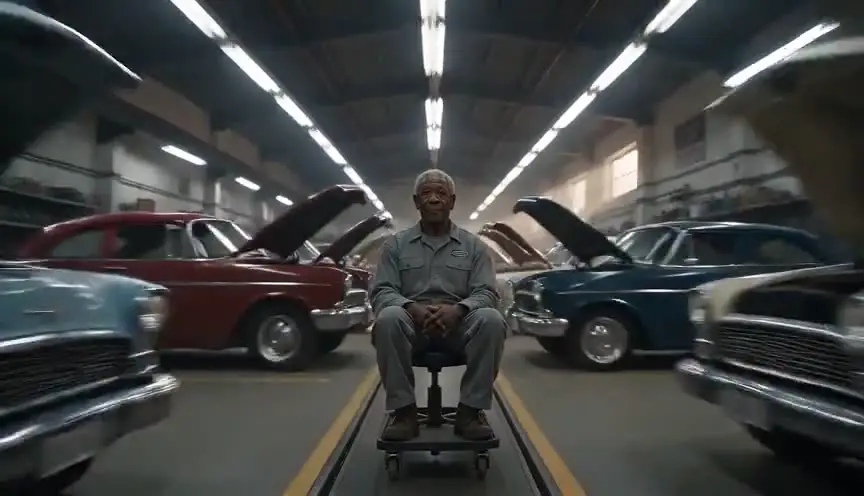
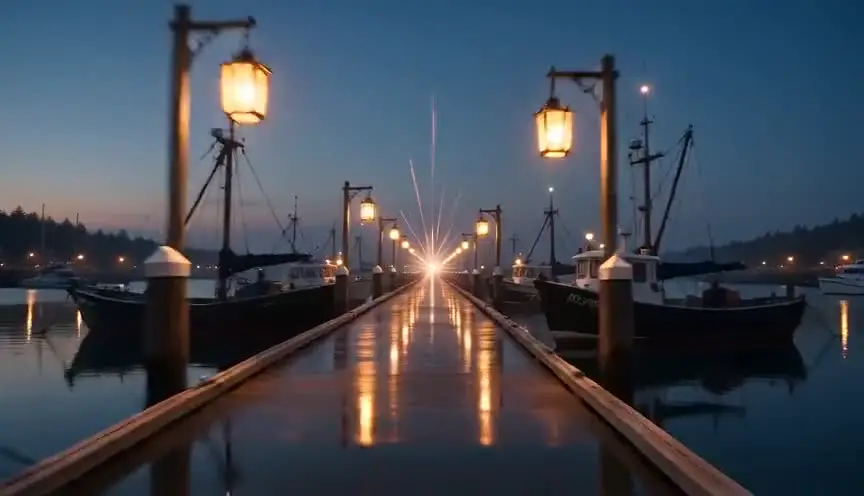
Smash cutFrom one extreme to the other
A smash cut jumps without warning from one scene to a sharply different one, often mid-moment, from loud to silent, calm to chaos, or promise to failure. The audience feels the jolt physically, and the contrast becomes the joke or the shock.
Also calledHard cutShock cut
Editing and transitions
Why it works on screen
A smash cut is a punchline or a gut punch. In comedy, it contradicts what a character just said: "Nothing can go wrong" and suddenly everything is on fire. In horror and thrillers, it jerks the audience out of a nightmare into a quiet bedroom, or from a peaceful dinner into violence. It can also end a scene before its natural close, leaving the audience off balance. A scene earns it when the story has built one mood firmly enough that its sudden reversal matters. The bigger the contrast in sound, light and tempo, the harder it hits.
The shot list line
- Size
- Close-up before the cut, wide or medium after
- Angle
- Eye level, then any angle that heightens the contrast
- Movement
- Static before, chaotic or handheld after
- Lens
- 50mm before, wide lens after for energy
- Duration
- Cut mid-line or mid-beat, 1 to 3 s on the second shot
Plan sound and light so the second shot is the opposite of the first: quiet to loud, dim to bright, still to fast.
Screenplay
On the page
Smash cut is one of the transitions a screenwriter may use, because it is about story contrast. Write "SMASH CUT TO:" before a scene that should hit hard, and make sure the two moods on either side are clearly opposed. Use it sparingly, a few times per script at most, or it loses its force. The exact frame and the sound transition are for the editor, but the writer can set up the contrast through dialogue and action.
INT. LAKESIDE SAUNA - TAMPERE, FINLAND - EVENING
Three retired engineers sweat on the top bench. EERO VIRTANEN (70) ladles water on the stones.
EERO
I built this stove myself in 1983. It will outlive all of us.
The others nod in steamy silence.
SMASH CUT TO:
EXT. FROZEN LAKE - CONTINUOUS
Three naked old men sprint across the ice as the sauna behind them pours black smoke from every crack.
Storyboard
In the storyboard
Draw the last panel of the first scene with the calm or confident moment, then the first panel of the second scene showing the opposite. Put a thick vertical bar between them with SMASH CUT written across it. Note the sound change (silence to noise, music to nothing) and the exact word or action on which the cut happens. Use contrasting hatching or colors to show the change in mood.
Pairs well with
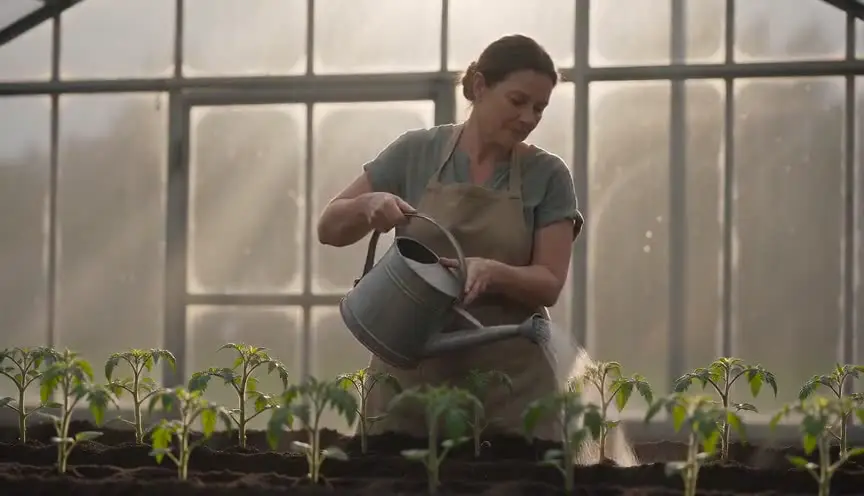
A calm, static shot before the smash cut holds the audience in stillness. The sudden change of pace and noise feels even more violent or funny.
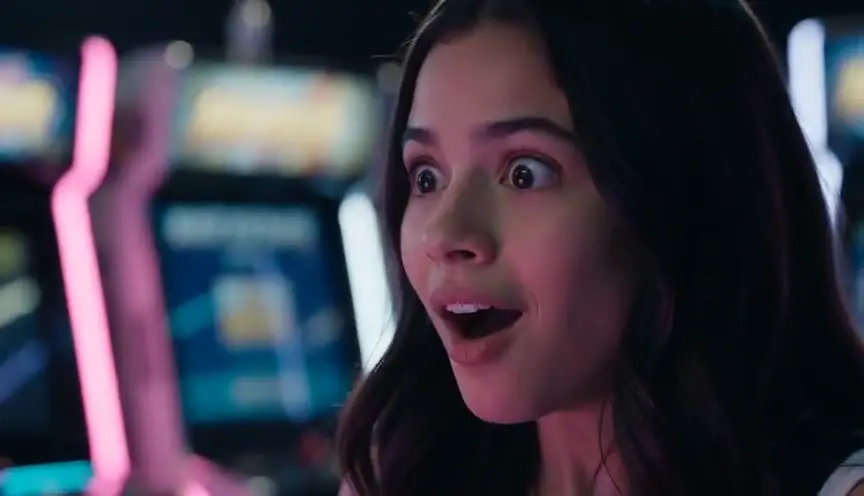
After the smash cut, a quick reaction shot shows how characters absorb the new situation. It anchors the gag or the shock in a human face.
Reference
Watch it in
Full Metal Jacket (1987)
From the barracks bathroom where Pyle kills his drill instructor and himself, Kubrick cuts straight to a sunny Da Nang street and a bright pop song.
Trainspotting (1996)
A disgusting toilet gives way in an instant to a calm underwater dream, snapping the audience from filth into fantasy.
ScreenWeaver
Set it up in ScreenWeaver
Write SMASH CUT TO: between the two scenes in your screenplay, and ScreenWeaver breaks them down into shots automatically. In the storyboard, set the last shot of the first scene to a calm framing with a static movement, and the first shot of the next scene to a contrasting framing, angle and movement. Keep durations short on both sides. Characters and locations carry from shot to shot, and the AI previsualization lets you check how hard the cut lands.
Start writing for freeThe prompt behind this clip
This is the exact prompt that rendered the clip at the top of the page. Keep the description of the camera and the light, change the subject and the place.
Smash cut inside a jazz club: shot one is a wide shot of a trumpet player mid solo under warm amber stage light, sweat on his face, the crowd's hands raised, camera static at eye level. At the peak of his highest note the image cuts instantly, no fade, no dissolve, straight to a tight close-up of a bartender's face in near darkness, cold blue light, expression flat and still, background silent and empty. The two shots never blend, brightness and color temperature flip on the single cut frame. No text.
Common mistakes
- 01
Not enough contrast
If the two scenes feel similar in mood, sound or light, the smash cut reads as a normal cut. Push the difference: silence to noise, calm to panic, promise to disaster.
- 02
Softening the transition
A fade, a music bridge or a lingering shot before the cut steals its power. The whole point is that the audience does not see it coming.
- 03
Overusing it
Several smash cuts in a row numb the audience. Keep them for the biggest jokes or shocks, and let normal cutting carry the rest of the film.