Key lightThe light that tells the story
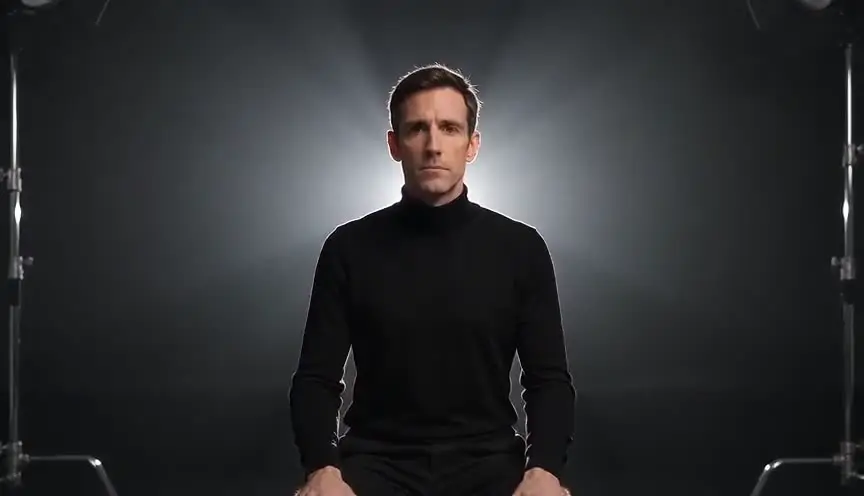
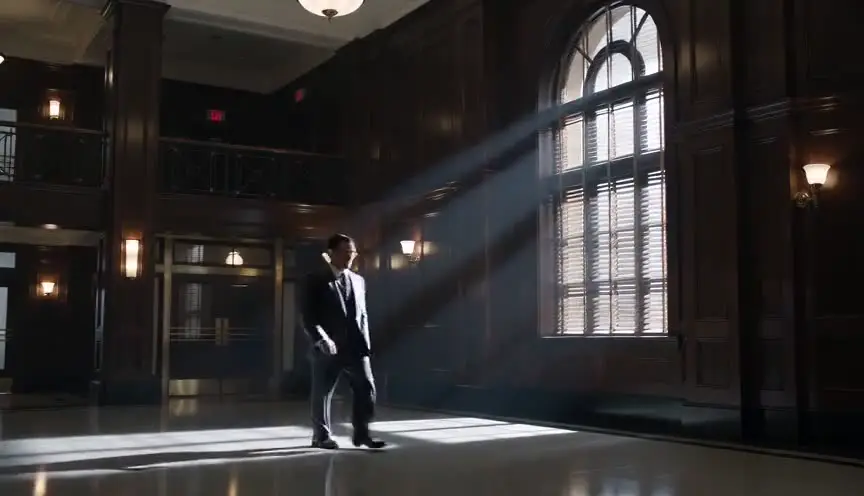
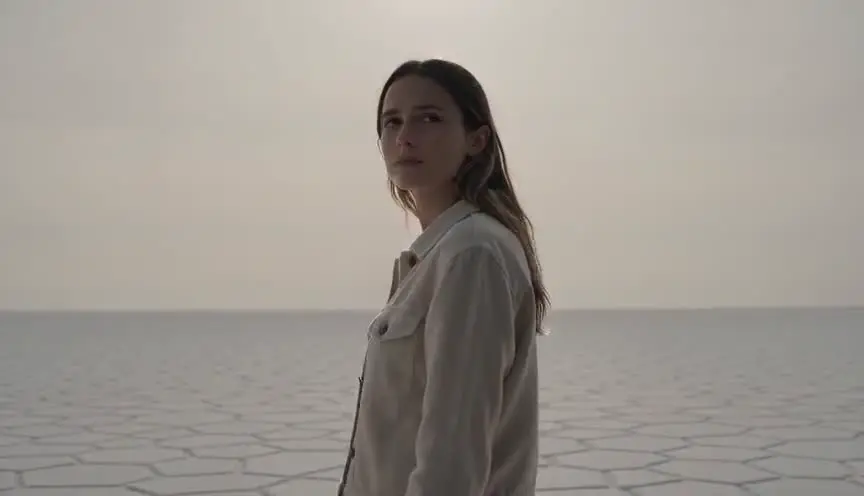
The key light is the main and brightest source on a subject, the one that sets the direction, shape and quality of the light. Where it sits and how hard it is decide how the audience reads a face before a word is spoken.
Also calledMain lightPrimary lightPrincipal light
Lighting
Why it works on screen
Every lighting choice starts with the key. Placed high and to the side, it carves cheekbones and hides the eyes, suggesting power or secrets. Placed low, it distorts the face into menace. Placed near the camera and softened, it opens a face and invites trust. A hard key makes a scene feel tense and exposed, a soft one makes it gentle. The key serves every emotion because it defines where shadows fall. A scene earns a bold key choice when the character's inner state must show on the surface: a confession, a threat, a decision in the dark.
The shot list line
- Size
- Close-up
- Angle
- Eye level
- Movement
- Static
- Lens
- 50mm to 85mm
- Duration
- 4 to 8 s
Place the key where the visible source is, a lantern, a window or a lamp, and adjust its height and angle until the shadows on the face serve the beat.
Screenplay
On the page
Do not write "key light" in a spec script. Write the source in the world: a bare bulb, a single candle, a phone screen, a streetlight through blinds. The source tells the cinematographer where the key comes from and how hard it is. If one light hides a character's eyes or catches them suddenly, write that effect. The placement, the fixture and the diffusion belong in the lighting plan and the shot list.
INT. ICE FISHING HUT, FROZEN LAKE, NORTHERN FINLAND - NIGHT
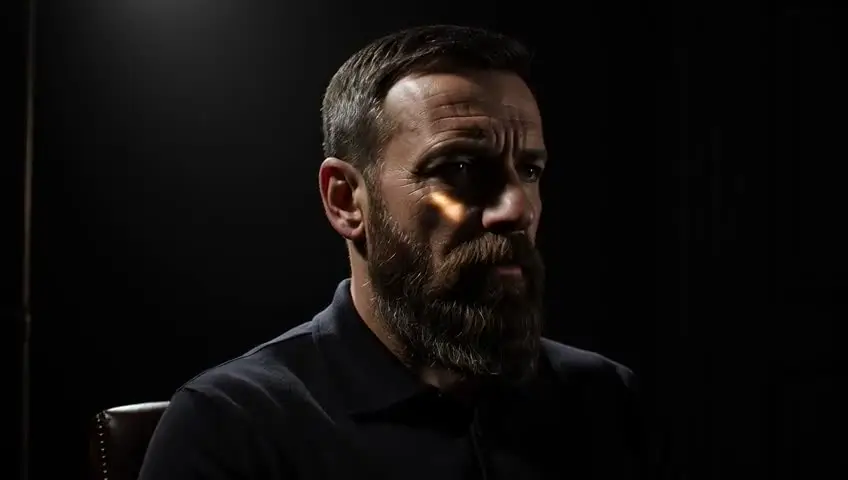
A plywood box on the ice. One kerosene lantern hanging from a hook, low and to the left.
AAPO (70s) sits over the hole in the ice, line in hand. Half his face is orange, half is black.
His granddaughter LIISA (17) crouches at the door, snow on her boots.
LIISA
Mom says you have to come home.
Aapo does not turn toward the light.
Storyboard
In the storyboard
Draw the face with a clear lit side and a shadow side, and put a lamp symbol where the key sits, with an arrow toward the face. Show its height with a small side diagram: high, level or low. Shade the shadows the key casts, under the brow, the nose and the chin. Note whether the key is hard or soft, its motivating source in the scene, and whether any fill or bounce is allowed.
Pairs well with
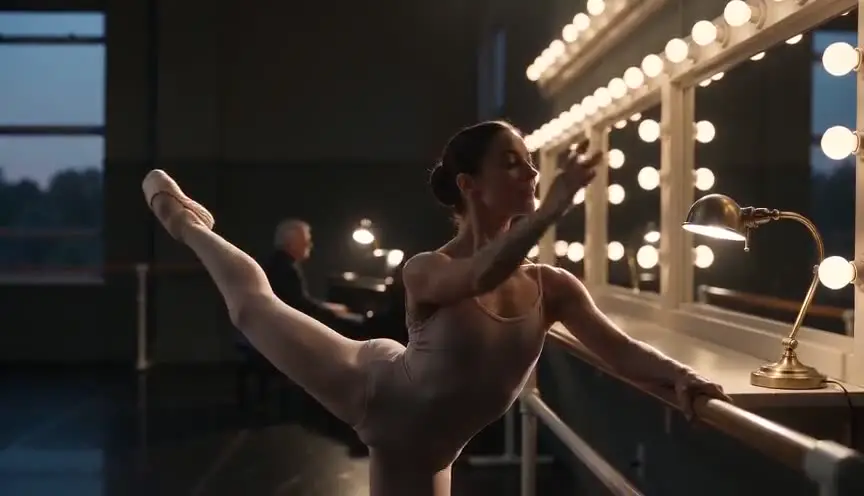
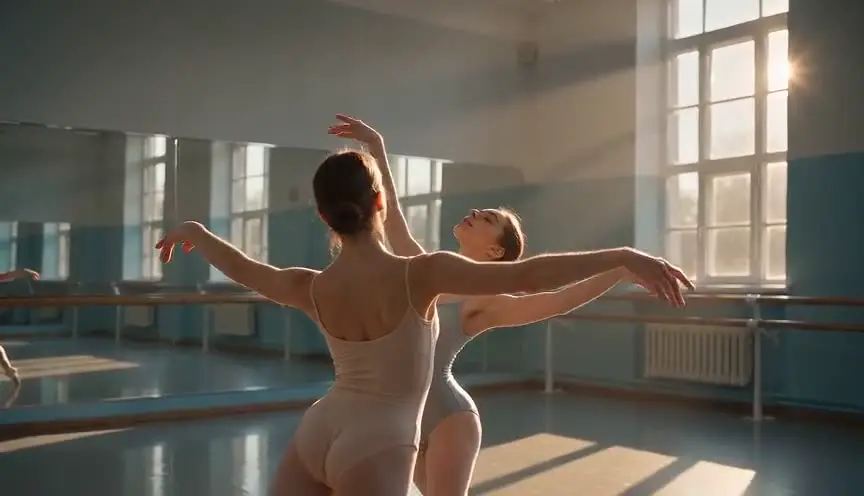
Show the lamp, the lantern or the screen in a wider shot first. When the close-up keys the face from the same side, the audience accepts the light as part of the world.
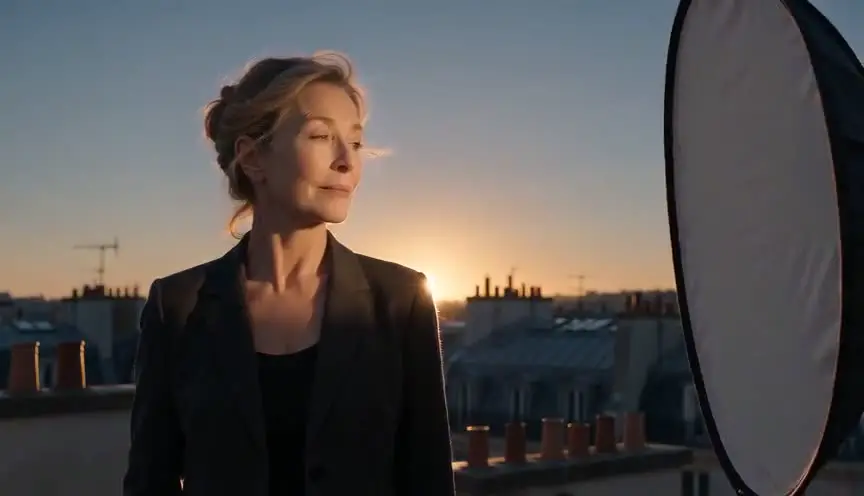
After setting the key, decide the fill. Adding a little fill in the next setup softens the character, removing it hardens them, and the contrast between shots tracks the emotion.
Reference
Watch it in
The Godfather (1972)
Gordon Willis puts the key almost straight overhead, so the eyes sink into shadow and the men become hard to read and threatening.
Citizen Kane (1941)
Gregg Toland uses hard, low keys in several scenes to throw deep, expressive shadows across faces and rooms.
ScreenWeaver
Set it up in ScreenWeaver
Name the light source in your action lines, and ScreenWeaver breaks the scene down into shots automatically. Open the close-up, set the framing to a close-up, the angle to eye level, the movement to static and a duration of four to eight seconds. Note the key's direction and hardness on the shot, so the whole scene keeps the same logic. The character and the location carry from shot to shot. The AI previsualization lets you check the mood before the lighting plan.
Start writing for freeThe prompt behind this clip
This is the exact prompt that rendered the clip at the top of the page. Keep the description of the camera and the light, change the subject and the place.
Key light: in an abandoned train station, one adult woman stands beside a rusted ticket booth as a single hard light source, a shaft of late afternoon sun through a broken skylight, strikes the left side of her face at a 45 degree angle, carving deep shadow across her right cheek and jaw. The camera stays locked on a static tripod, 50mm lens, as dust drifts through the beam. No fill light lifts the shadow side, no other source competes, the rest of the station remains in near darkness. She turns her head slowly toward the light, shadow sweeping across her features in real time. No text.
Common mistakes
- 01
Key from nowhere
A strong key from a side with no visible source feels theatrical. Place it where a lamp, a window or a screen justifies it.
- 02
Key flipping between setups
If the key jumps from left to right between shot and reverse shot without a reason, the room seems to change. Keep the source consistent in the space.
- 03
Burning the face
A key too strong for the exposure clips the skin into white. Meter it for the face and keep detail in the highlights.