SnowSilence, cold and isolation
Snow covers a scene in white and fills the air with slow, falling flakes. It quiets the world, isolates people inside it and makes every mark on the ground, from footprints to blood, impossible to hide.
Also calledFalling snowSnowfall effectSnow atmosphere
Atmosphere and weather
Why it works on screen
Snow changes what a scene means. Falling softly, it brings stillness, wonder or grief. Driven by wind, it becomes an opponent a character must survive. Lying on the ground, it turns a landscape into a blank page where every track tells a story. It serves loneliness, purity, endurance, cold detachment and dark comedy, since tragedy in a peaceful white field can feel absurd. A scene earns snow when the characters are cut off, when time seems suspended, or when the ending needs a hush. It also keeps secrets badly, which makes it a gift to any crime story.
The shot list line
- Size
- Wide shot, then medium close-up
- Angle
- Eye level, backlit flakes against a dark sky
- Movement
- Static, or a slow push in as the snow accumulates
- Lens
- 50mm to 85mm for flakes that soften in the foreground and background
- Duration
- 6 to 10 s
Light the falling snow from behind or the side so each flake catches a rim, and log the ground coverage for continuity between setups.
Screenplay
On the page
Weather belongs in a screenplay when it shapes the story, and snow almost always does, so write it. Put it in the scene heading or the first action line, and say what kind: a light flurry, a wet heavy fall, a blizzard that erases the road. Then let it affect behavior, a character stamping boots, a car that will not start. How the snow is produced, and how it matches from shot to shot, is for the director and the shot list.
EXT. BUS SHELTER, MCPHILLIPS STREET - WINNIPEG - NIGHT
Snow falls straight down, no wind, fat flakes under the only working streetlamp.
KAYLA BIRD (16, school backpack, no gloves) sits on the bench. Her footprints are the only ones leading in.
A bus comes, doors open, closes, leaves. No one gets off.
She checks her phone, then brushes the snow off the empty place beside her.
KAYLA
You said nine.
Storyboard
In the storyboard
Draw the setting with snow lying on surfaces as clean white areas left unshaded. Sprinkle the air with dots of different sizes, larger in the foreground, smaller in the distance, and add short vertical or slanted strokes to show fall direction and wind. Mark the backlight with a lamp symbol. Note the snow type (light, heavy, blizzard) and whether the ground is fresh or tracked. Draw footprints if they matter to the story.
Pairs well with
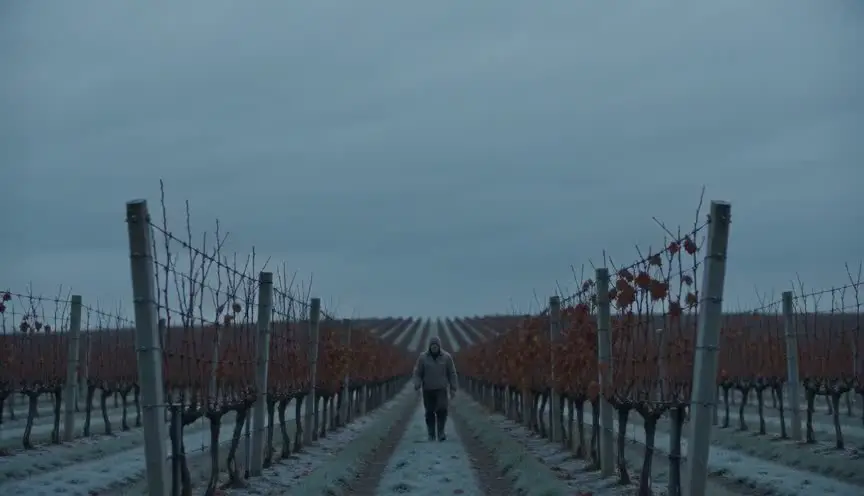
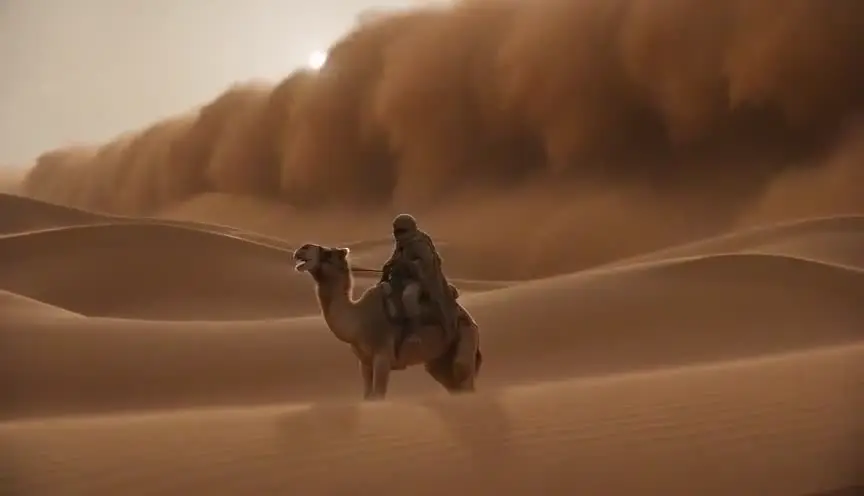
Open on a vast snowy landscape with a tiny figure in it. The scale shows how isolated the character is, and the close shots that follow feel colder for it.
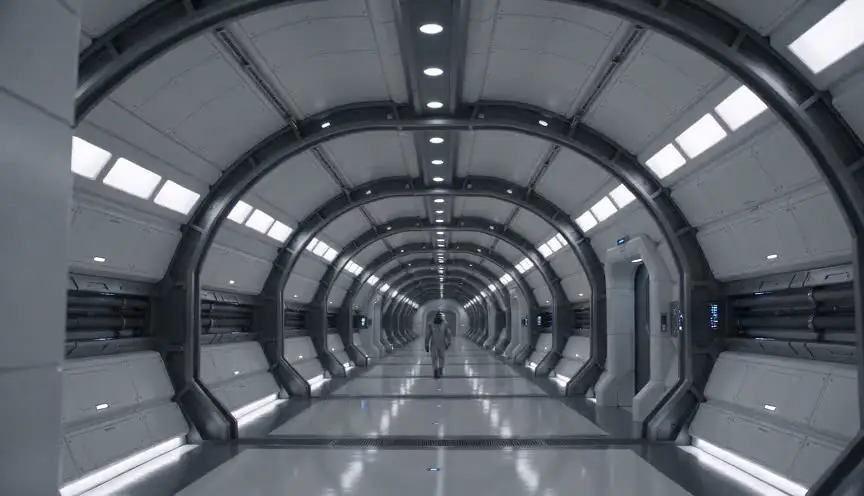
Falling snow is nearly invisible in flat light. A backlight or a streetlamp behind the flakes makes each one glow, turning a weather effect into a visible, moving texture.
Reference
Watch it in
Fargo (1996)
Endless white plains and snowed-in roads set the flat, lonely and deadpan mood that the whole film keeps from start to finish.
The Revenant (2015)
Real snow and true blizzard conditions shape the physical trial at the heart of the survival story, so the cold feels earned.
Let the Right One In (2008)
Soft, steady snow around a housing estate echoes how isolated and cold the two young leads are, and how quiet their bond stays.
ScreenWeaver
Set it up in ScreenWeaver
Put the snow in the scene heading or the first action line, and ScreenWeaver breaks the scene down into shots automatically. Open each shot and set framing, angle, a static or slow movement and a duration that lets the flakes read. The location carries from shot to shot, which helps keep ground coverage and weather consistent across the sequence. Use the AI previsualization to check how snow, light and the character's isolation work together before you plan the shoot.
Start writing for freeThe prompt behind this clip
This is the exact prompt that rendered the clip at the top of the page. Keep the description of the camera and the light, change the subject and the place.
Snow: inside a padded recording studio, a woman in her thirties sings into a vintage microphone as a practical snow machine overhead releases a soft flurry of white paper flakes that drift down through a shaft of cool backlight, each flake catching a bright rim as it falls past her shoulders and settles on the floor and acoustic panels. The camera stays locked on a static tripod at eye level, the flakes moving slowly through frame while the singer remains still, sound baffles and cables visible in the soft-focus background. No text.
Common mistakes
- 01
Continuity of ground snow
Fresh snow shows every footprint and tire track. After one take, the set is ruined. Plan clean-up crews, spare areas and the order of shots so the ground matches the story.
- 02
Flakes that look like paper
Artificial snow that falls too fast, too evenly or too big betrays itself. Mix sizes, adjust the drop height and let the wind vary so the fall looks natural.
- 03
Nobody feels cold
Actors in snow who never shiver, never breathe vapor and never hunch look like they are on a stage. Let the weather change posture, speech and pace.