Full shotThe whole body in the frame
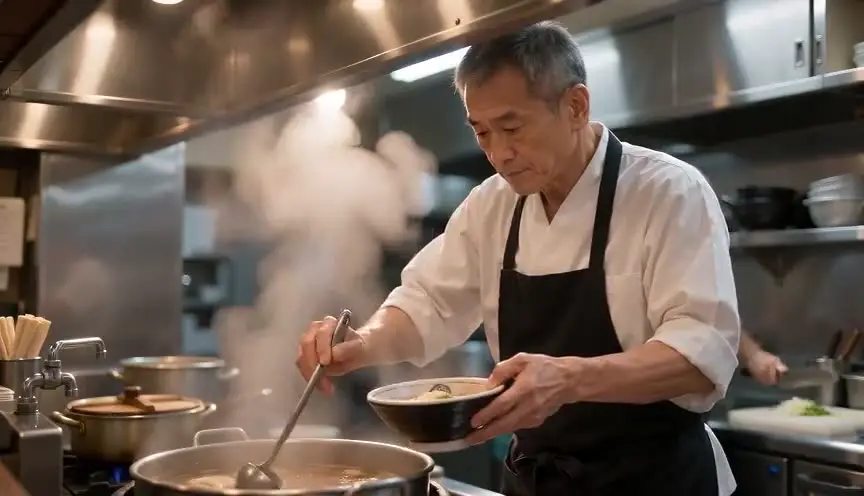
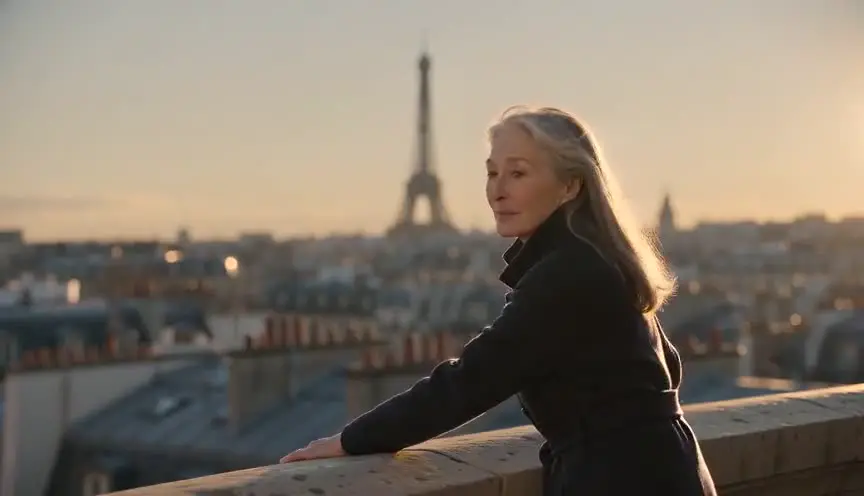
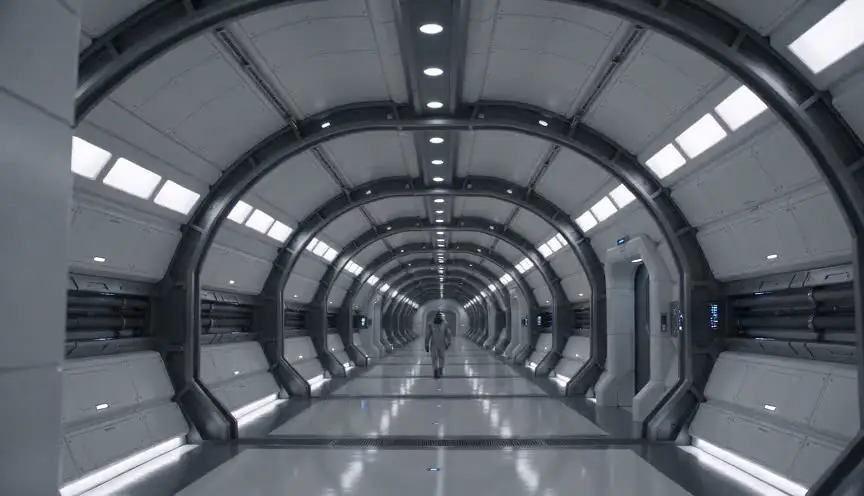
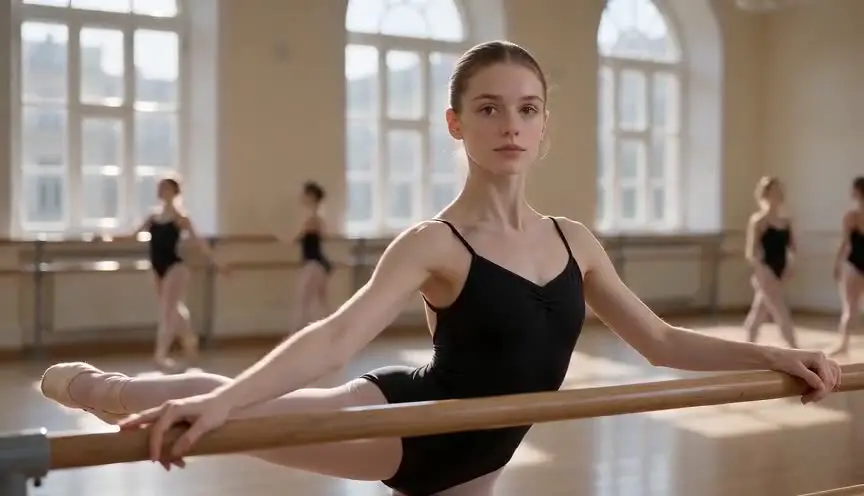
A full shot frames a character from head to toe, with a little space above and below. The audience sees the entire body: how a person stands, walks, dances or falls, and how much room surrounds them.
Also calledFull figure shotLong shot (US usage)Head-to-toe shot
Shot sizes
Why it works on screen
The full shot serves movement and presence. Dance, fights, sport, a first entrance in a new outfit, someone standing alone in a doorway: whenever the whole body is the performance, this is the frame. It also shows the relationship between a character and the space around them without losing the person in it. It serves pride, vulnerability, physical comedy and choreography. A scene earns it when the story is told through posture and motion, when feet matter as much as faces, or when a character's silhouette should be remembered, the shape they cut against a wall or a sky.
The shot list line
- Size
- Full shot, head to toe
- Angle
- Eye level, lens around waist height
- Movement
- Static, or a gentle pan to follow movement
- Lens
- 35mm to 50mm
- Duration
- 5 to 15 s
Leave a small margin above the head and below the feet, and mark the floor so the performer never steps out of the frame during the move.
Screenplay
On the page
A spec script never needs to say full shot. Describe the body in action: the way a dancer lands, a character walking the length of a room, a figure standing framed in a door. When the whole body carries the beat, the reader imagines it and the director frames it. Keep the action lines active and physical. The exact framing and the lens go in the shot list.
INT. ESTUDIO DE BAILE LA ROSA - HAVANA - AFTERNOON
Peeling blue walls, a ceiling fan turning slowly. Three judges behind a folding table.
YANELIS ORTEGA (22, worn practice shoes) walks to the center of the floor. Plants her feet. Waits.
The music starts: a son, slow and heavy.
She does not move for four beats. Then her hips begin, then her shoulders, then everything.
One judge stops writing.
Storyboard
In the storyboard
Draw the whole figure, with a small gap above the head and below the feet, and show the floor line. Add motion arrows for steps, jumps or spins, and footprints on the floor if the movement travels. Mark the edges the performer must not cross. Note the lens, the camera height and the duration, plus any music cue the movement follows.
Pairs well with
Reference
Watch it in
Singin' in the Rain (1952)
The rain dance keeps Gene Kelly in full view from his splashing shoes to his swinging umbrella, so every movement reads as part of the joy.
The Good, the Bad and the Ugly (1966)
In the circular arena, each duelist is shown from head to boots, revealing stance, hand position and the distance separating the three men.
ScreenWeaver
Set it up in ScreenWeaver
Write the body in action in your action lines, and ScreenWeaver breaks the scene down into shots automatically. Open the shot, set the framing to full shot at eye level, keep the movement static or a gentle follow, and give it a duration that covers the movement. The character and the costume carry from shot to shot, so the shoes and clothing match when you cut to a close-up. Use the AI previsualization to check the framing leaves room for the whole move.
Start writing for freeThe prompt behind this clip
This is the exact prompt that rendered the clip at the top of the page. Keep the description of the camera and the light, change the subject and the place.
Full shot of a woman in her thirties walking slowly through a sunflower field at midday, framed so her entire body from head to toe stays inside the frame with a hand's width of space above her head and below her feet. The camera stays locked on a tripod at chest height, roughly ten feet away, using a 50mm lens. She moves left to right at a steady pace, sunflowers swaying around her waist, background soft and evenly lit. No text.
Common mistakes
- 01
Feet cut off
Cutting at the ankles makes the shot look like a framing mistake. Either show the feet completely or choose a different size on purpose. If space is tight, move the camera back or switch lenses rather than trimming the feet.
- 02
Camera too high
Shooting a full figure from head height makes legs look short. Lower the camera to around waist height for natural proportions. A low camera also gives the figure presence and keeps the floor line visible for choreography.
- 03
No room to move
If the performer moves beyond the frame, the shot breaks. Rehearse the movement and mark boundaries on the floor. If the move is large, plan a pan or a slightly wider frame so the choreography stays whole from start to finish.